
The Authentic Moroccan Argan Oil Beauty Guide: Everything You Need to Know Before You Buy
There is a reason argan oil has been called liquid gold. For centuries, Berber women in the sun-scorched valleys of southwestern Morocco have harvested the nuts of the argan tree — an ancient, gnarled species found almost nowhere else on Earth — and cold-pressed them into one of the most nourishing beauty oils the world has ever known. Today, that same golden elixir sits on shelves in beauty stores across the globe, promising everything from silky hair to youthful skin.
But here is the problem: not all argan oil is created equal. The explosive global demand for this ingredient has given rise to a flood of diluted, synthetic, or misleadingly labeled products that trade on the name while delivering little of the real thing. Knowing the difference between authentic Moroccan argan oil and a cleverly marketed impostor could be the most important beauty decision you make this year.
This guide covers everything — from the science behind argan oil’s remarkable properties and how to spot a fake, to building a complete beauty routine and buying with confidence. Whether you are a first-time buyer or a long-time user who wants to go deeper, you are in the right place.
What Makes Moroccan Argan Oil Truly "Authentic" — And Why It Matters
Walk down any beauty aisle and you will find dozens of products adorned with marketing phrases that tell you almost nothing about the quality of what is inside. Finding true, authentic Moroccan argan oil means looking for three non-negotiable criteria: it must be cold-pressed, 100% pure, and sourced directly from the argan forests of Morocco.
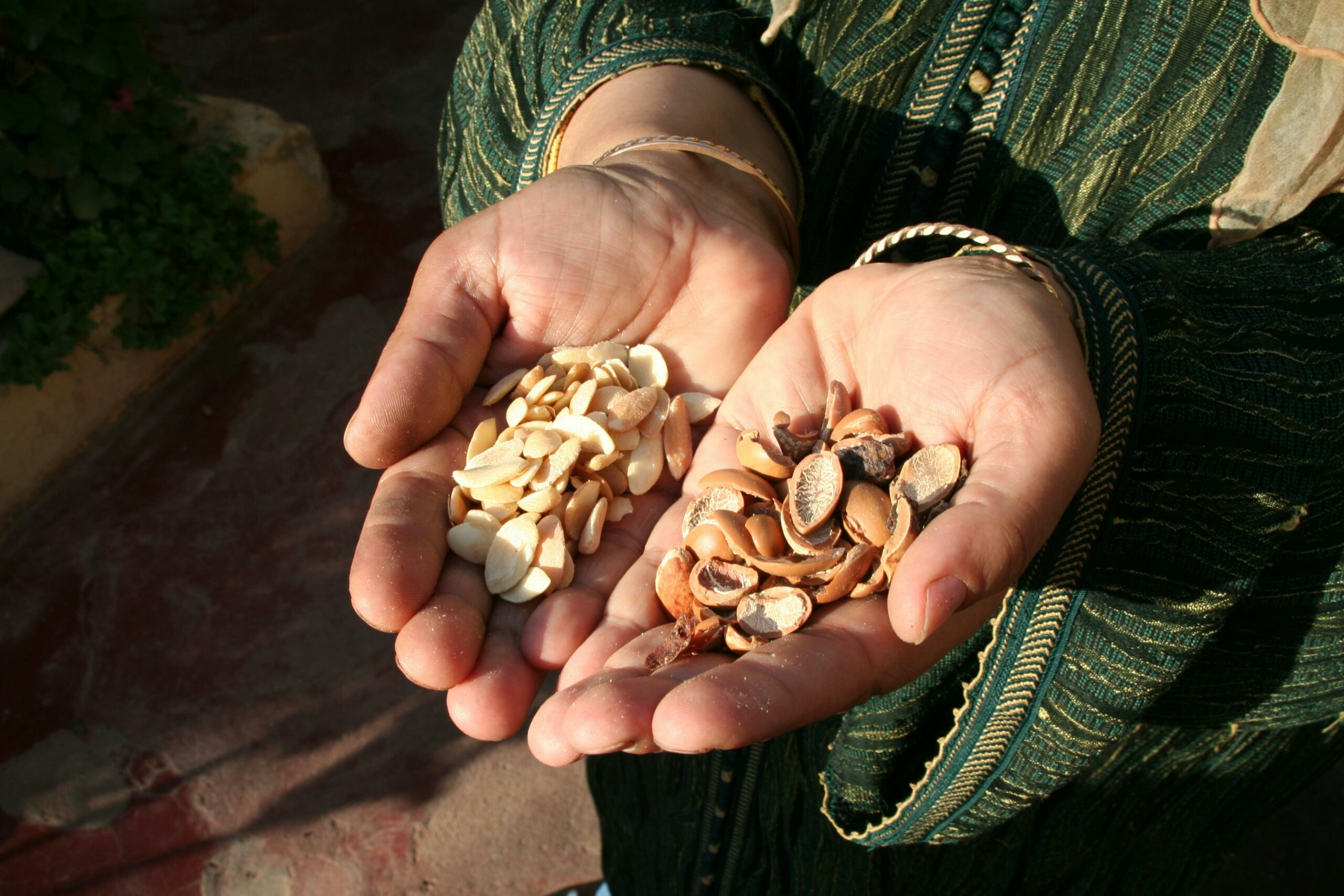
The argan tree (Argania spinosa) grows almost exclusively in a UNESCO-protected biosphere reserve in the Souss-Massa-Draa region of southwestern Morocco. The nuts produced by this tree are harvested by hand — a slow, labor-intensive process traditionally carried out by Berber women organized into cooperatives. The kernels inside each nut are then cold-pressed without heat or chemical solvents to extract the raw oil. This cold-press method is critical: it preserves the full spectrum of the oil’s bioactive compounds, including its vitamin E content, essential fatty acids, and rare plant sterols.
Did You Know: The word “argan” derives from the Berber language, and the argan tree is so integral to Moroccan culture that UNESCO inscribed argan-related agro-pastoral practices on its list of Intangible Cultural Heritage in 2014.
There is also a distinction worth understanding between cosmetic and culinary argan oil. Culinary argan oil is made from roasted kernels and carries a rich, nutty flavor ideal for drizzling over couscous or dipping bread. Cosmetic argan oil — the focus of this guide — is made from unroasted kernels and has a milder, more neutral scent. Both are pure; only the production method differs. When shopping for beauty applications, always ensure your bottle specifies cosmetic grade.
The Science Behind Argan Oil's Beauty Benefits for Skin, Hair & Nails
The global beauty industry’s obsession with argan oil is not merely trend-driven — it is backed by a growing body of scientific research. At its core, argan oil is a nutritional powerhouse for your skin and hair, and understanding why can help you use it far more effectively.
Here is a breakdown of what makes argan oil so exceptional:
- Vitamin E (Tocopherols): Argan oil contains roughly twice the vitamin E content of olive oil. Vitamin E is a powerful fat-soluble antioxidant that neutralizes free radicals — the unstable molecules responsible for accelerating skin aging, UV damage, and inflammation. It also supports the skin’s moisture barrier, keeping hydration locked in.
- Oleic Acid (Omega-9): This monounsaturated fatty acid makes up approximately 43–49% of argan oil’s composition. Oleic acid is deeply penetrating and helps carry other nutrients into the deeper layers of the skin and hair shaft. It is particularly beneficial for dry, mature, or dehydrated skin.
- Linoleic Acid (Omega-6): Making up around 29–36% of the oil, linoleic acid is an essential fatty acid the body cannot produce on its own. It is known to reduce inflammation, support the skin’s lipid barrier, and help fade hyperpigmentation and acne scarring over time.
- Plant Sterols (Schottenol & Spinasterol): These compounds are rare and largely unique to argan oil. They help reduce inflammation, boost collagen production, and have demonstrated anti-UV activity in studies — making argan oil a valuable addition to any sun-conscious skincare routine.
- Squalene: A natural emollient also found in human sebum, squalene in argan oil helps mimic the skin’s own moisturizing mechanisms, making the oil exceptionally well-tolerated even by sensitive skin types.
In terms of practical beauty benefits, here is what consistent use of pure argan oil can deliver:
For the skin: Deep hydration without greasiness, reduction in the appearance of fine lines and wrinkles, improved skin elasticity, calming of redness and irritation, and gradual fading of dark spots and hyperpigmentation.
For the hair: Intense moisture and shine, significant frizz reduction, protection against heat styling damage (it can withstand temperatures up to 200°C when applied as a pre-styling serum), healing of split ends, and nourishment of the scalp to reduce flakiness and dryness.
For the nails: Softening of dry, cracked cuticles, strengthening of brittle nails, and overall improvement in nail health and appearance with regular overnight treatment.
How to Spot Fake vs. Pure Argan Oil — The Ultimate Buyer's Checklist
With counterfeit and adulterated products flooding the market, knowing how to verify authentic Moroccan argan oil before you buy can save you significant money and disappointment. Use this checklist to verify your bottle:
- Check the Color: Pure, cold-pressed cosmetic argan oil should be a rich golden amber color. It is not colorless, not pale yellow, and not deeply orange. A very pale or completely clear oil is a red flag — it has likely been refined or diluted. Some high-quality oils may vary slightly in shade depending on the harvest season, but the golden tone should always be present.
- Smell It: Authentic argan oil has a mild, slightly nutty, earthy scent. It is not odorless (that would suggest heavy refinement) and it is not strongly fragrant (that would suggest added perfumes masking a low-quality base). If your argan oil smells like roses, lavender, or anything floral, it is a blend — not pure oil.
- Read the Ingredient Label: The INCI name for argan oil is Argania Spinosa Kernel Oil. This should appear as the first or only ingredient on a pure argan oil label. If you see silicones (cyclopentasiloxane, dimethicone), mineral oil, or argan oil listed far down the ingredients list, the product is not pure argan oil — regardless of how prominently “Moroccan Oil” is displayed on the front.
- Look at the Packaging: Authentic argan oil should be stored in dark glass bottles — either amber or dark blue. UV light degrades the oil’s beneficial compounds rapidly. Plastic bottles or clear glass are major red flags for quality-conscious brands. The bottle should also include a production date and expiration date (genuine argan oil has a shelf life of approximately 18–24 months).
- Evaluate the Price: Quality argan oil is not cheap to produce. A 30ml bottle of genuine cold-pressed argan oil should cost no less than $10–15 USD from a reputable source, and premium cooperatively-sourced oils often run $25–40 for the same size. If a product claims to be 100% pure argan oil and is priced suspiciously low, trust your instincts.
- Look for Certifications: Third-party certifications provide an additional layer of trust. Look for ECOCERT or COSMOS certification for organic standards, USDA Organic certification, or fair-trade labels indicating ethical sourcing from Moroccan cooperatives. These certifications are not mandatory, but their presence is a strong positive signal.
Pro Tip: Rub a few drops between your fingers. Pure argan oil absorbs quickly without a greasy residue. If it sits on top of your skin or feels heavy and filmy, it has likely been diluted with heavier oils like mineral oil or sunflower oil.
Your Complete Moroccan Argan Oil Beauty Routine — Step-by-Step Guide
One of argan oil’s greatest strengths is its versatility. A single bottle can serve multiple roles in your daily routine — from a morning skin primer to an overnight hair treatment. Here is how to get the most from your oil across every use case:
Skincare Routine
Morning Application: After cleansing and toning, warm 2–3 drops of argan oil between your palms and gently press (do not rub) into damp skin. The slight moisture helps the oil spread more evenly and absorb faster. Follow with SPF moisturizer. Argan oil works beautifully under makeup and adds a subtle luminosity without heaviness.
Evening Application: After your serum, apply 3–4 drops to your face and neck, focusing on areas prone to dryness or fine lines. Applying to slightly damp skin maximizes absorption. You can also mix one drop into your night cream for an added hydration boost without changing your existing routine.
Targeted Treatment: For hyperpigmentation, acne scars, or stretch marks, apply a small amount directly to the area once or twice daily. The linoleic acid and vitamin E work over time to reduce discoloration — consistency over weeks is key.
Hair Care Routine
Pre-Shampoo Mask: For deep conditioning, apply 8–10 drops to dry hair from mid-length to ends, cover with a shower cap, and leave for 30–60 minutes (or overnight for very dry or damaged hair) before shampooing as normal. This pre-poo method is especially beneficial for curly, coily, or chemically treated hair.
Leave-In Conditioner: After washing and towel-drying, work 3–5 drops through damp hair, concentrating on the ends. This seals the cuticle, reduces frizz, and protects against heat styling damage from blow dryers and flat irons.
Post-Styling Serum: On dry, styled hair, 1–2 drops smoothed between the palms and applied lightly over the hair surface delivers instant shine and tames flyaways without weighing hair down. Less is more here.
Body & Nail Care
Body Moisturizer: Add 5–6 drops to your regular body lotion and mix in your palm before applying. This supercharges any basic moisturizer without requiring you to change your existing routine. Alternatively, apply pure argan oil directly to very dry areas like elbows, knees, and heels right after showering while skin is still damp.
Cuticle & Nail Treatment: Before bed, massage a small drop of argan oil into each cuticle and rub over the nail plate. Regular use over 2–4 weeks produces noticeably softer cuticles and stronger, shinier nails.
Important Note: Argan oil is non-comedogenic (rated 0 on the comedogenic scale), meaning it is extremely unlikely to clog pores. However, if you are acne-prone, introduce it gradually — use every other day for the first two weeks and monitor your skin’s response before making it a daily staple.
Top Things to Avoid When Buying Moroccan Argan Oil — Common Mistakes
Even well-intentioned buyers frequently fall into traps that leave them with inferior products. Here are the most common mistakes to avoid:
Falling for brand-name lookalikes: The most common source of confusion is the brand Moroccanoil — a widely marketed haircare line whose hero product is called “Moroccanoil Treatment.” This product is not pure argan oil; it is a blend where argan oil is one of several ingredients alongside silicones and other compounds. It is a good product for its intended purpose, but it is not what you are looking for if you want pure, multipurpose argan oil. Always check the ingredient list.
Ignoring the packaging: Choosing argan oil in a plastic or clear glass bottle is a mistake that shortens the oil’s shelf life and degrades its quality before you even open it. UV exposure and oxygen are the two main enemies of argan oil’s bioactive compounds — always choose dark glass with a tight-sealing dropper cap.
Buying from unverified sellers: Marketplace listings from unknown sellers, especially at suspiciously low prices, are high-risk. Prioritize brands that name their cooperative sourcing partner, publish third-party test results, and have verifiable reviews from trusted beauty communities.
Overlooking storage instructions: Even genuine argan oil loses its potency if stored incorrectly. Keep it away from direct sunlight and heat, store in a cool dark cabinet, and always replace the cap tightly after use. Properly stored, a bottle should last 18–24 months from the production date.
Using too much: More is not better with argan oil. Applying excessive amounts — especially to the face — can leave a greasy residue and potentially interfere with the absorption of other skincare products layered on top. Start with 2–3 drops for the face and scale up only if your skin feels it needs more.
Confusing blends with pure oil: There is nothing wrong with argan oil blends for specific applications — many excellent hair serums and face oils use argan as a base alongside complementary oils. The mistake is paying a pure-oil premium price for a blend, or expecting pure-oil performance from a diluted product.
Investing in authentic Moroccan argan oil is one of the few beauty choices that genuinely lives up to its global reputation—but only when you are using the real thing. The difference between cold-pressed oil sourced from Berber cooperatives and a cheap imitation isn’t just marketing; it is a measurable biological difference in the nutrients that reach your skin and hair.
Beyond the cosmetic results, choosing authentic Moroccan argan oil directly supports the rural women’s cooperatives of the Souss Valley, providing fair wages and preserving practices recognized as
. By learning how to spot true quality, your beauty routine becomes a meaningful connection to Moroccan culture, empowering local communities while delivering a natural, radiant glow that no synthetic alternative can replicate. UNESCO Intangible Cultural Heritage
Q1. Is argan oil suitable for oily or acne-prone skin?
Yes — and this surprises many people. Argan oil scores a zero on the comedogenic scale, meaning it is highly unlikely to clog pores. Its linoleic acid content actually helps to regulate sebum production over time, which can benefit oily skin types. For acne-prone skin, introduce it gradually (every other day for two weeks) and apply a small amount to clean, damp skin. Avoid applying it on top of active breakouts.
Q2. How long does a 30ml bottle of argan oil last with daily use?
With regular daily use across face, hair, and nails, a 30ml bottle typically lasts 4–6 weeks. If you are using it exclusively as a facial serum (2–3 drops per application), the same bottle can last 2–3 months. The high potency of pure argan oil means a little goes a long way — which partly offsets its higher price point relative to diluted alternatives.
Q3. Can argan oil be used safely during pregnancy?
Topical use of pure argan oil is generally considered safe during pregnancy and is in fact popular as a stretch mark prevention treatment. There are no known contraindications for external application. However, as with any new skincare product during pregnancy, it is advisable to perform a patch test first and consult your healthcare provider if you have any specific concerns.
Q4. How should argan oil be stored to maintain its potency?
Store your argan oil in a cool, dark location away from direct sunlight and heat sources. A bathroom cabinet (not on the counter where it is exposed to steam and temperature fluctuation) or a bedroom dresser drawer is ideal. Always close the dropper cap firmly after each use to minimize air exposure. Properly stored pure argan oil has a shelf life of approximately 18–24 months from the production date. If the oil develops a rancid or off smell, it has oxidized and should be discarded.
Q5. What is the difference between food-grade and cosmetic argan oil?
Both types start with the same raw material — the kernels of the argan nut — but differ in their processing. Food-grade (culinary) argan oil is made from kernels that are lightly roasted before pressing, giving it a rich, nutty flavor and a slightly darker color. It is delicious drizzled over food but too strongly scented for comfortable cosmetic use. Cosmetic argan oil is made from unroasted kernels, giving it a milder scent and a lighter texture more appropriate for skin and hair applications. Never use culinary argan oil as a beauty treatment.
Q6. How long does it take to see results from using argan oil?
For hair, you may notice improved softness, shine, and manageability after the very first use. Skin hydration benefits are also typically visible within the first few applications. However, deeper benefits — such as reduction in fine lines, fading of hyperpigmentation, improved skin elasticity, and significant strengthening of nails — require consistent daily use over 4–8 weeks. Think of argan oil as a long-term skin investment rather than an overnight fix. Take a before photo when you start and compare after six weeks — the difference is often striking.
Where Will Your Story Begin?
Discover diverse landscapes, rich history, and hidden gems across the Kingdom. Find the tour that speaks to your soul.