
How to Spend 3 Perfect Days in Marrakech
Marrakech has a way of pulling travelers into its rhythm almost instantly. One moment you are walking through a quiet courtyard scented with orange blossoms, and the next you are standing in a lively square filled with storytellers, spice vendors, musicians, and the aroma of grilled meats drifting through the air. The city feels timeless, yet it constantly surprises you.
If you are wondering how to spend 3 perfect days in Marrakech, the answer goes far beyond checking landmarks off a list. The real magic of the city lies in balancing iconic attractions with authentic cultural experiences. Marrakech is a place where history, food, architecture, and local traditions come together in a fascinating way.
This guide takes you through a carefully planned three-day itinerary that helps you experience the best of Marrakech without feeling rushed. From historic palaces and hidden riads to traditional hammams and local markets, you will discover how to enjoy the city like a curious traveler rather than a hurried tourist.
Day 1: Dive into the Historic Heart of Marrakech
Your first day should focus on the old city, known as the Medina. This UNESCO World Heritage Site is the historical and cultural heart of Marrakech. Narrow alleys twist through ancient walls, creating a maze filled with colors, sounds, and unexpected discoveries.
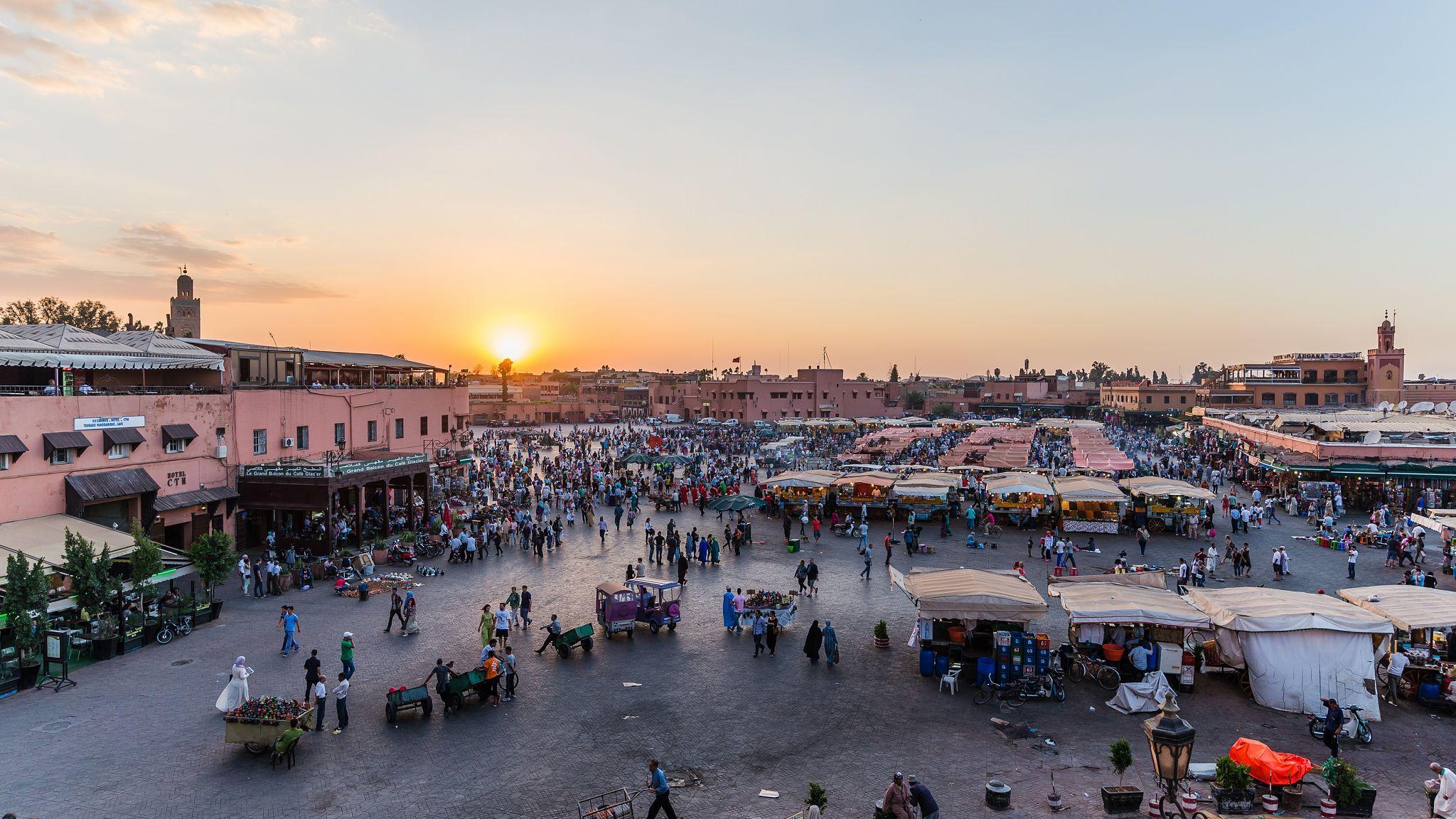
Start Your Morning at Jemaa el-Fnaa
No visit to Marrakech begins anywhere else.
Jemaa el-Fnaa wakes up gradually in the morning. Early hours are calmer than the evenings, making it the perfect time to explore. Fresh orange juice vendors prepare their stalls while local merchants arrange spices and traditional goods.
As the day progresses, the square transforms. Musicians arrive, performers gather, and the atmosphere becomes more energetic.
Take a moment to simply observe. Watching daily life unfold here feels like stepping into a scene that has existed for centuries.
Interesting fact: Jemaa el-Fnaa has been recognized for its cultural significance because of its living traditions and oral storytelling heritage.
inline or in the module Content settings. You can also style every aspect of this content in the module Design settings and even apply custom CSS to this text in the module Advanced settings.
Explore the Koutoubia Mosque Area
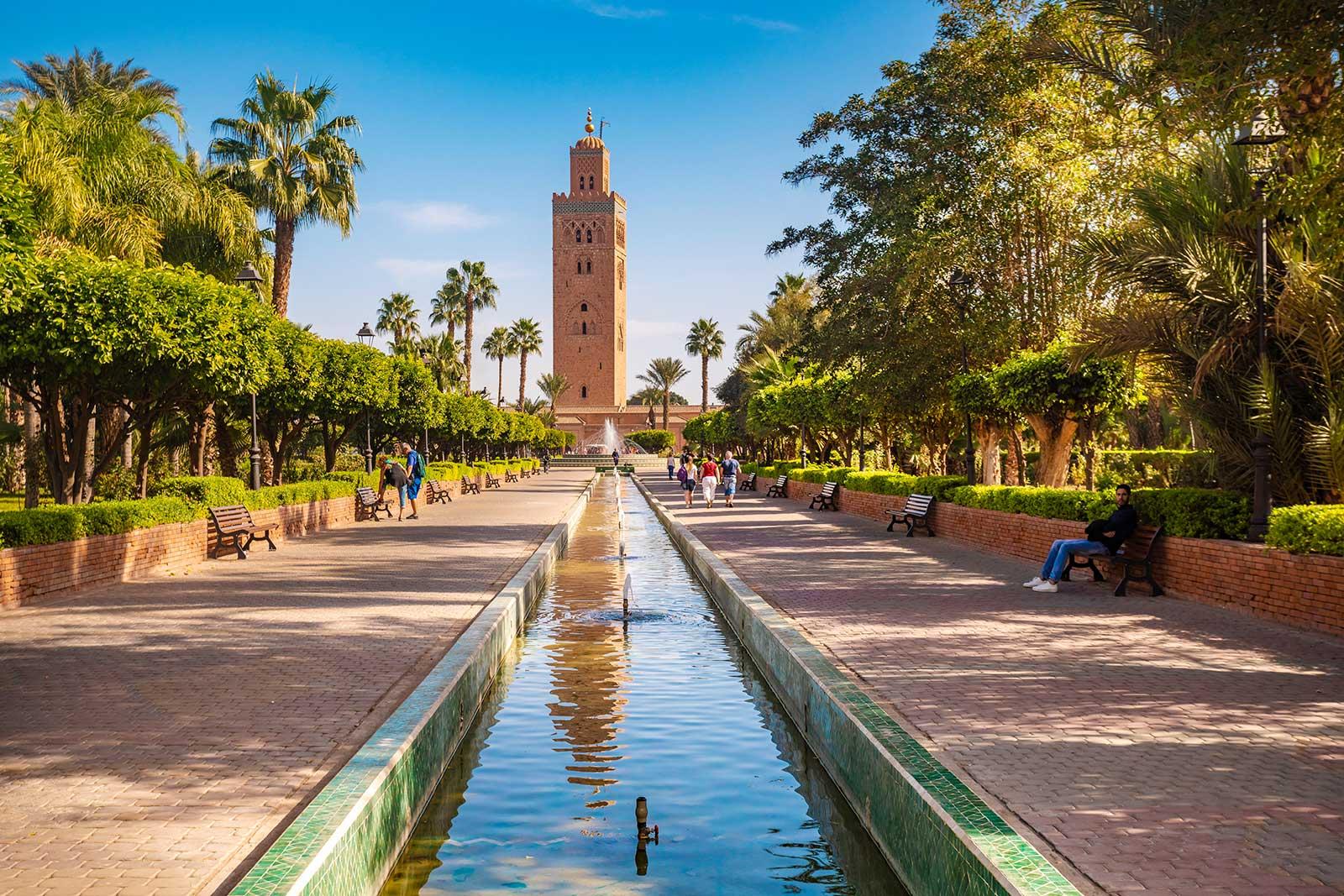
Just a short walk from the main square stands the iconic Koutoubia Mosque. Its elegant minaret dominates the Marrakech skyline and has become one of the city’s most recognizable symbols.
Although non-Muslims cannot enter the mosque itself, the surrounding gardens offer a peaceful break from the busy streets.
Morning light creates beautiful photo opportunities here. Moreover, the palm trees and rose gardens provide a pleasant place to sit and absorb your first impressions of the city.
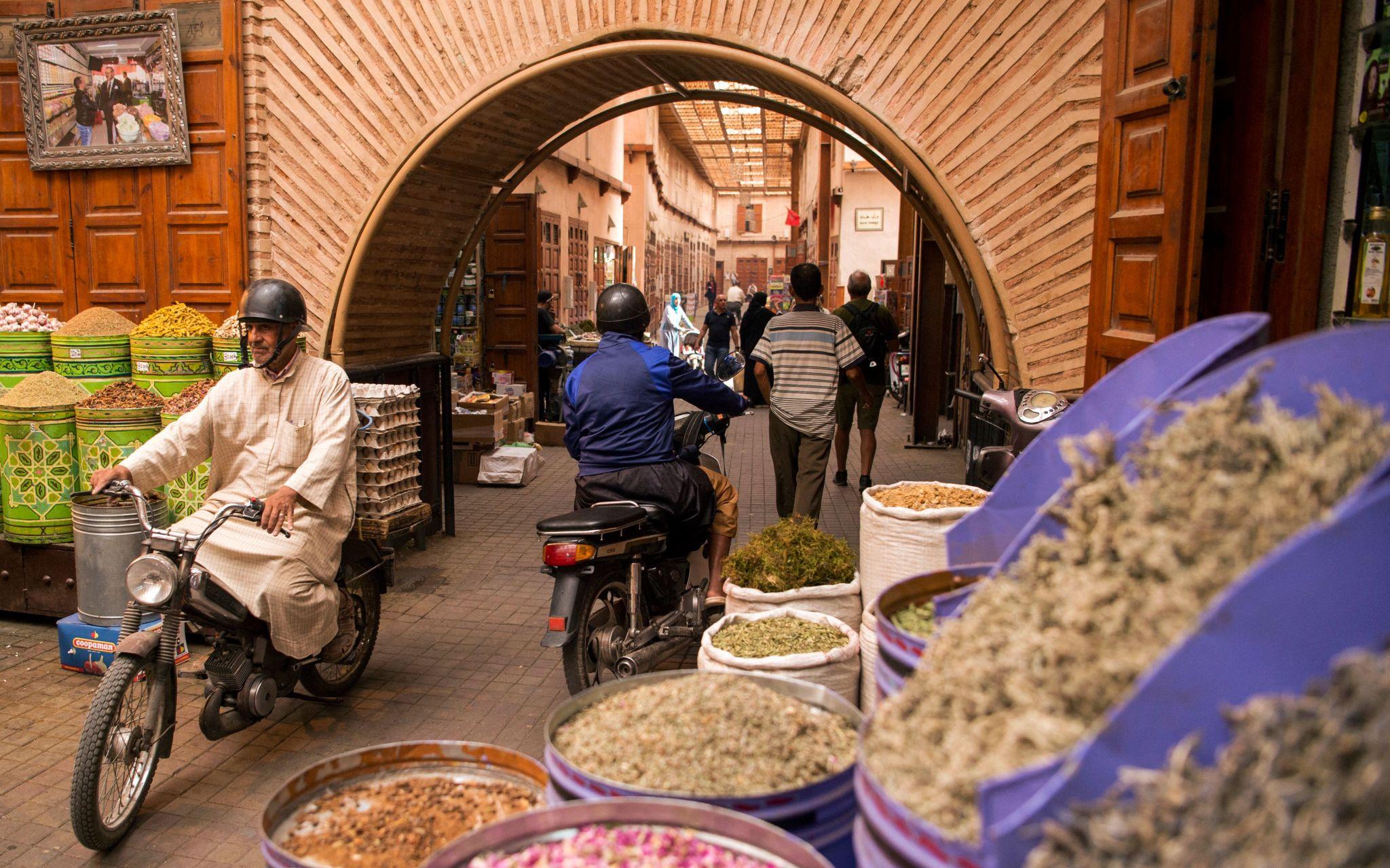
Wander Through the Medina’s Souks
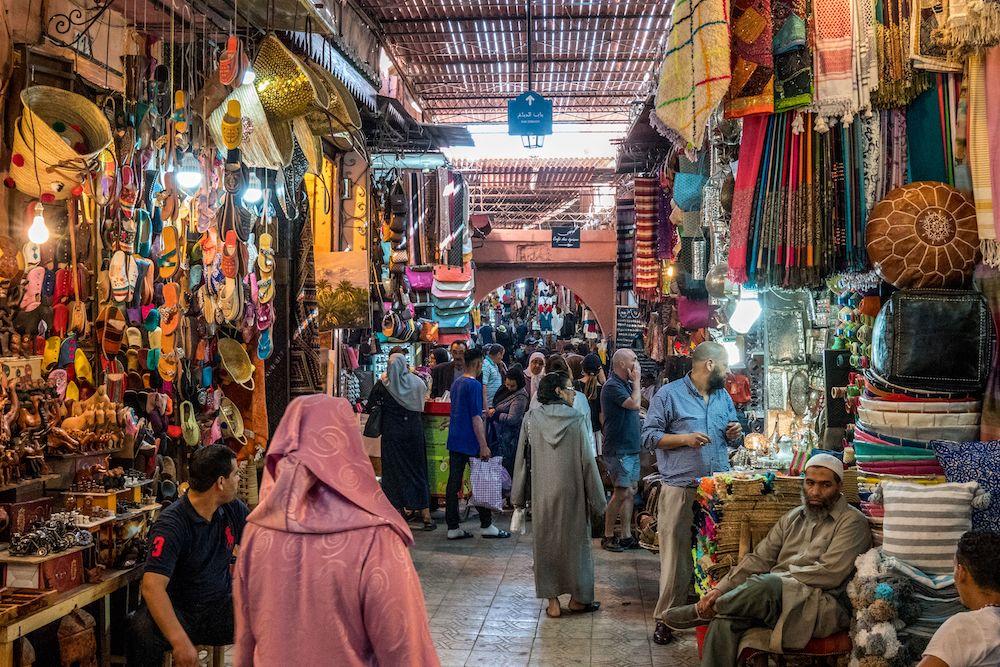
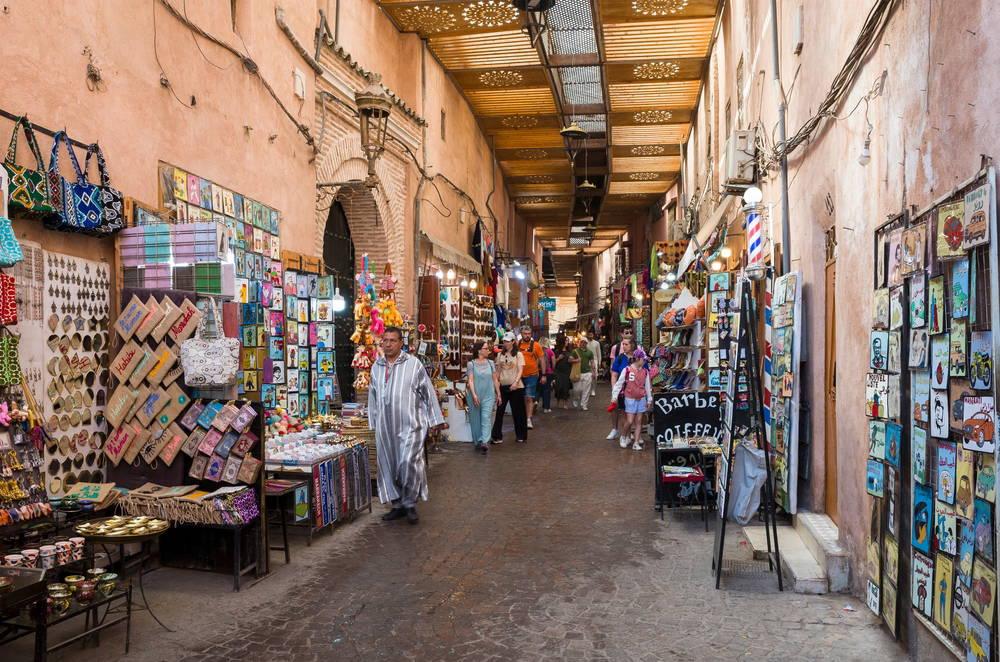
Sooner or later, every traveler gets lost in Marrakech’s famous souks.
That may sound intimidating. However, getting slightly lost often becomes one of the best experiences in the city.
The Medina contains specialized markets dedicated to different crafts:
- Leather goods
- Handmade carpets
- Traditional lamps
- Pottery
- Spices
- Jewelry
- Woodwork
You may hear the steady tapping of metal workers shaping brass lanterns by hand. Nearby, artisans carefully dye leather using traditional methods that have been practiced for generations.
Remember that bargaining is part of the shopping culture. Approach it with patience and a sense of humor rather than seeing it as a confrontation.
Lunch in a Traditional Riad
By midday, you will likely want a quieter atmosphere.
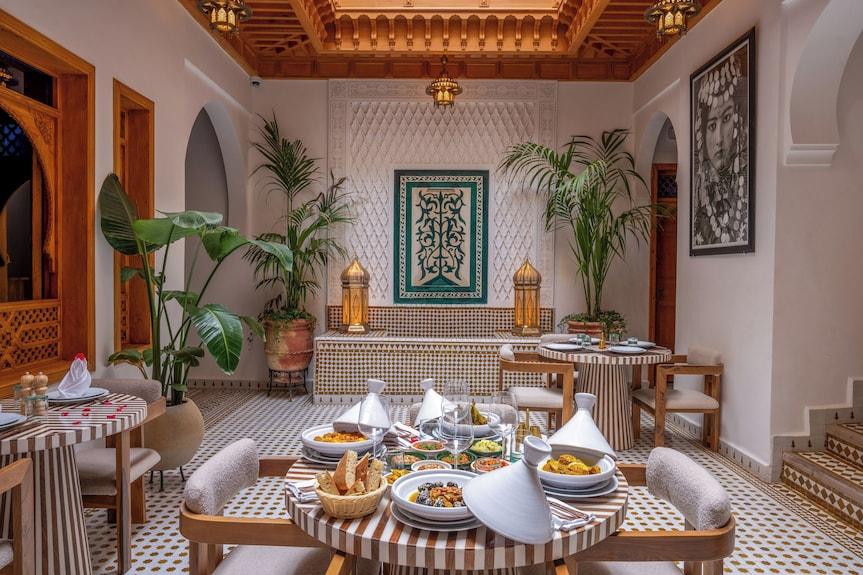
Traditional riads provide an excellent opportunity to rest while experiencing Moroccan architecture. Hidden behind simple exterior walls, these homes reveal beautiful inner courtyards filled with mosaic tiles, fountains, and greenery.
Try classic Moroccan dishes such as:
- Chicken tagine with preserved lemons
- Vegetable couscous
- Moroccan salads
- Mint tea
The balance of sweet and savory flavors often surprises first-time visitors.
Visit Bahia Palace
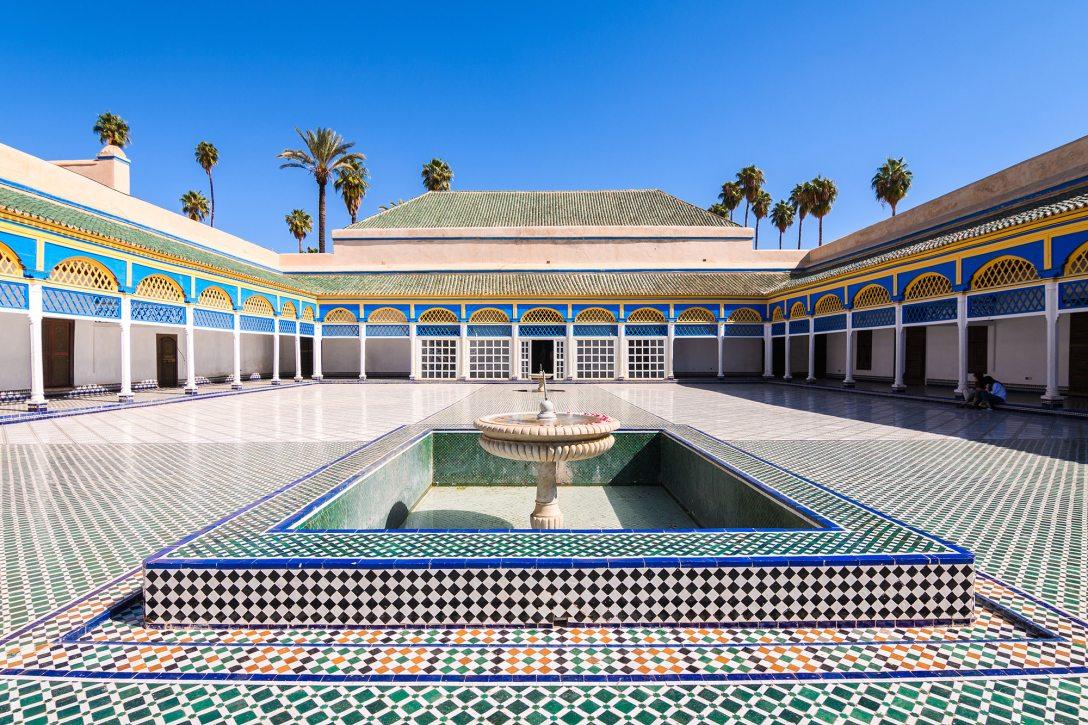
After lunch, head to Bahia Palace.
Built during the nineteenth century, the palace showcases remarkable Moroccan craftsmanship. Intricate cedar ceilings, colorful zellige tilework, carved stucco details, and peaceful courtyards create an atmosphere of elegance and calm.
As you move from room to room, it becomes easy to imagine the lives once lived within these walls.
Unlike many historical sites around the world, Bahia Palace feels intimate rather than overwhelming.
End Your Day Back at Jemaa el-Fnaa
Return to Jemaa el-Fnaa in the evening.
The square changes dramatically after sunset.
Food stalls appear almost magically. Smoke rises into the air while cooks prepare grilled meats, snail soup, fresh bread, and traditional Moroccan dishes.
Meanwhile, musicians perform nearby and groups gather around storytellers.
This is Marrakech at its most energetic.
Rather than rushing through dinner, take your time and enjoy the atmosphere around you.
Day 2: Discover Marrakech's Culture, Gardens, and Hidden Beauty
After experiencing the busy Medina, your second day offers a different perspective on the city.
Today focuses on art, culture, and quieter spaces.
Begin at Majorelle Garden
Early morning visits are ideal because crowds remain smaller.
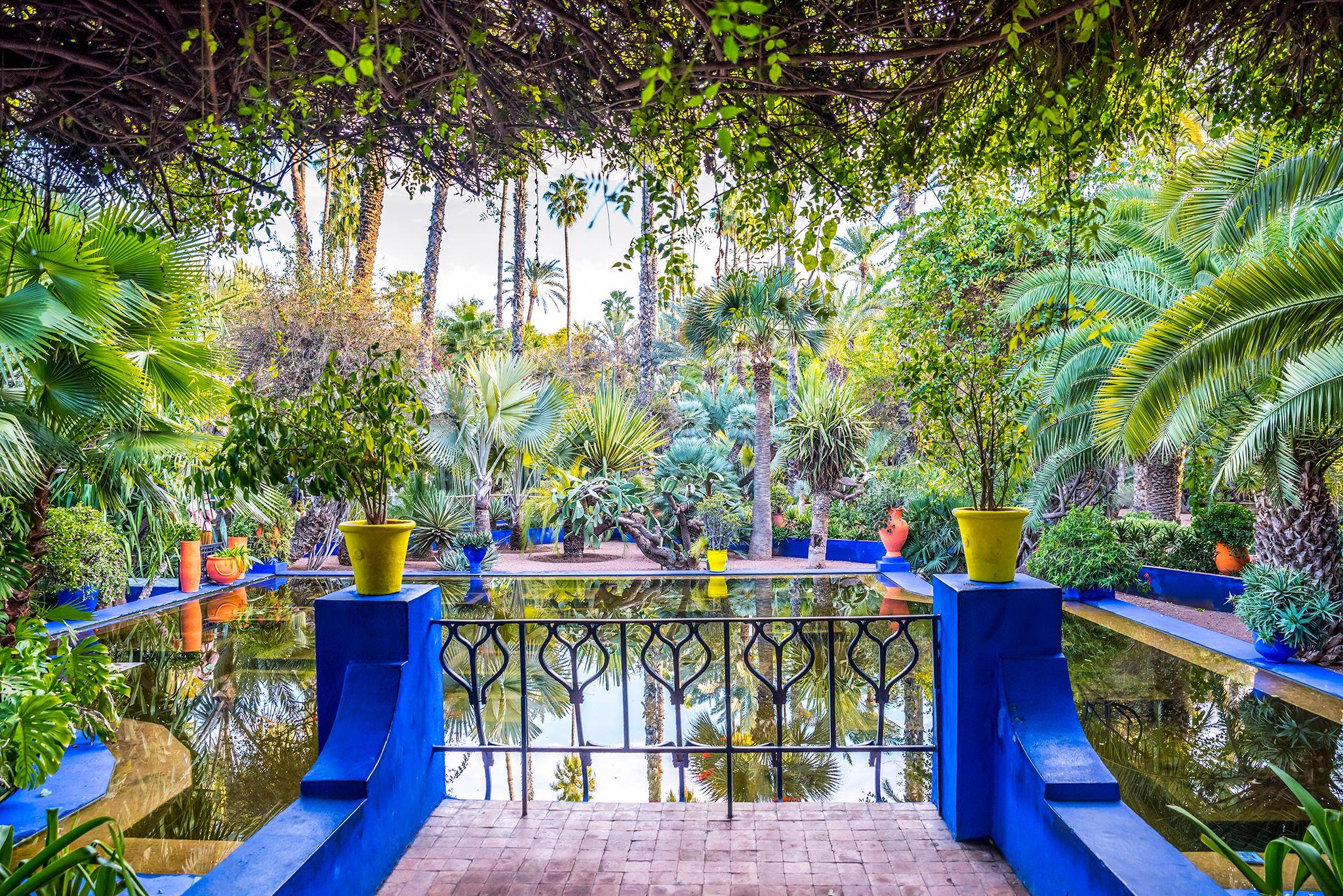
Majorelle Garden feels completely different from the Medina’s intensity. French artist Jacques Majorelle designed the garden, creating a striking combination of exotic plants, water features, and bold colors.
Deep blue walls contrast with green cacti and bamboo groves. Birds move between palm trees while fountains create a peaceful soundtrack.
Later, fashion designer Yves Saint Laurent helped restore and preserve the garden, making it one of Marrakech’s most visited sites.
Walking here provides a refreshing pause after the sensory overload of the old city.
Visit the Yves Saint Laurent Museum
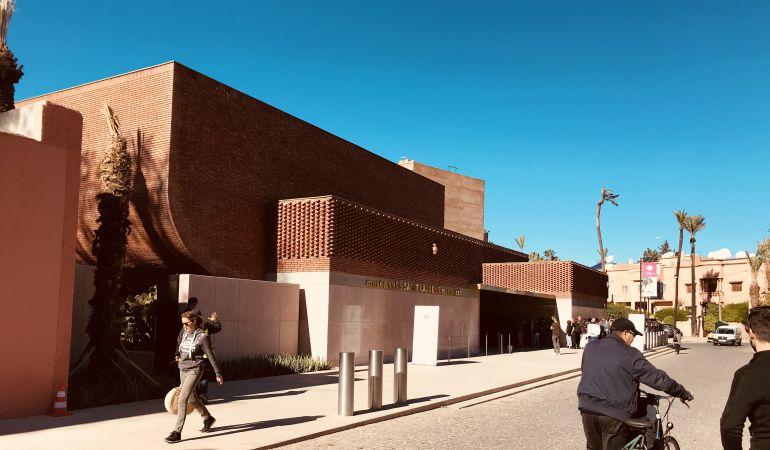
Located near the garden, this museum offers insight into one of fashion’s most influential designers and his connection to Morocco.
Even travelers who are not deeply interested in fashion often enjoy the exhibits.
The architecture itself deserves attention. Clean lines and thoughtful design blend modern style with Moroccan inspiration.
Moreover, the museum helps explain how Marrakech has inspired artists and creatives from around the world.
Explore Gueliz: Modern Marrakech
Many visitors focus entirely on the Medina and miss an important side of the city.
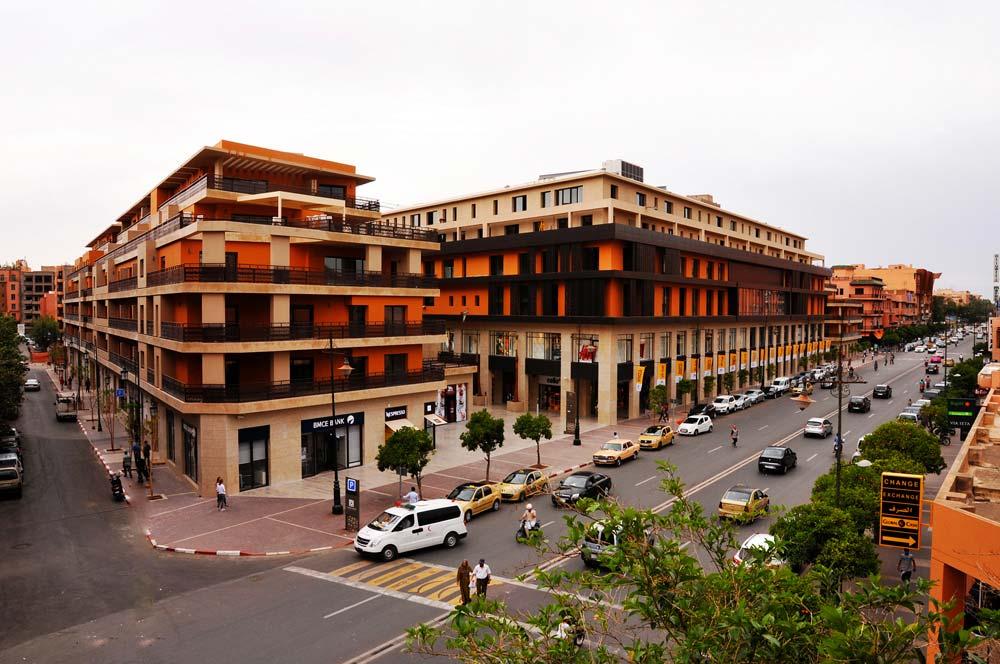
Gueliz represents modern Marrakech. Built during the French colonial period, this neighborhood offers wide streets, contemporary cafes, art galleries, and local boutiques.
Walking through Gueliz creates an interesting contrast.
Suddenly Marrakech feels more cosmopolitan and modern, while still retaining its unique character.
Stop for coffee at a local café and spend some time watching daily life unfold.
Lunch with Local Flavors
For lunch, consider trying dishes beyond the well-known tagine.
Some traditional options include:
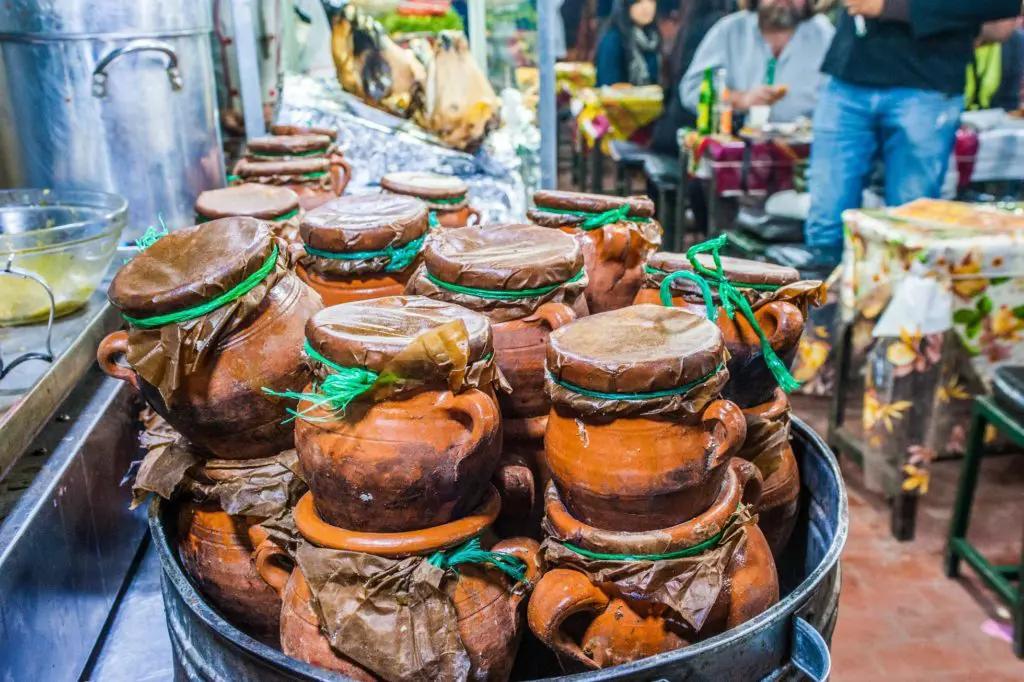
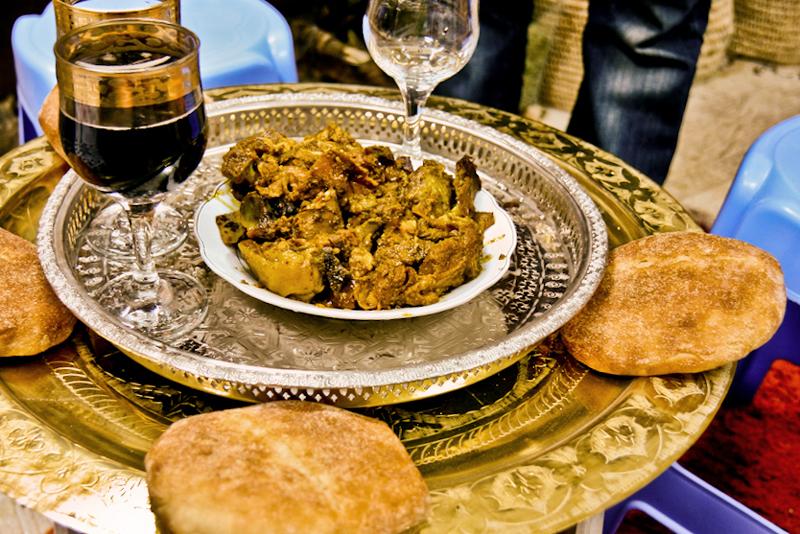
Tanjia
This famous Marrakech specialty consists of slow-cooked meat prepared with preserved lemons, spices, and garlic.
Historically, workers placed clay pots in communal ovens and returned hours later for a perfectly cooked meal.
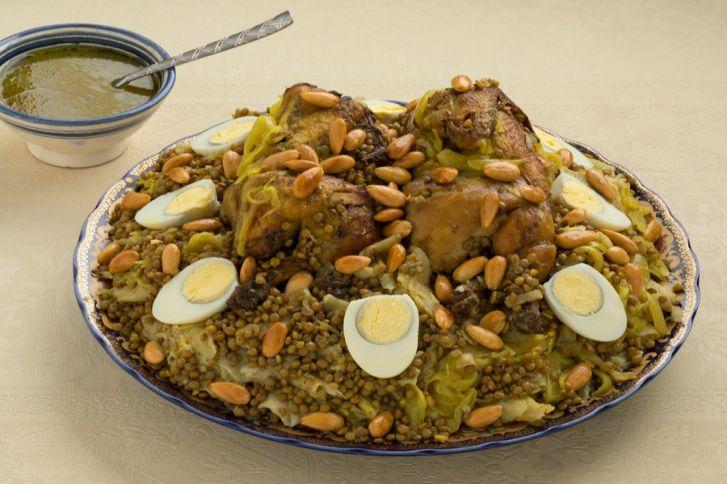
Rfissa
A comforting dish made with shredded bread, lentils, chicken, and aromatic spices.
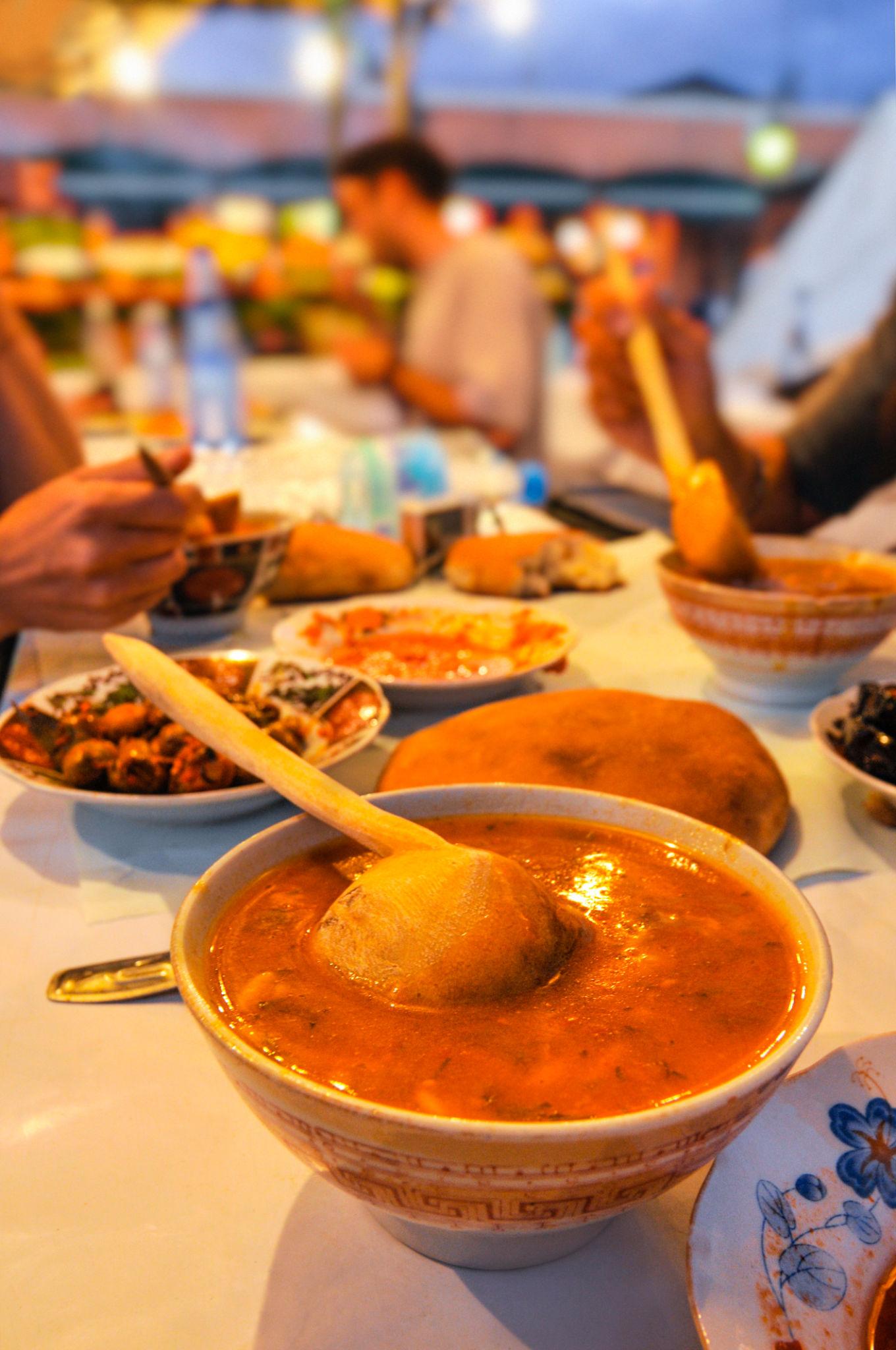
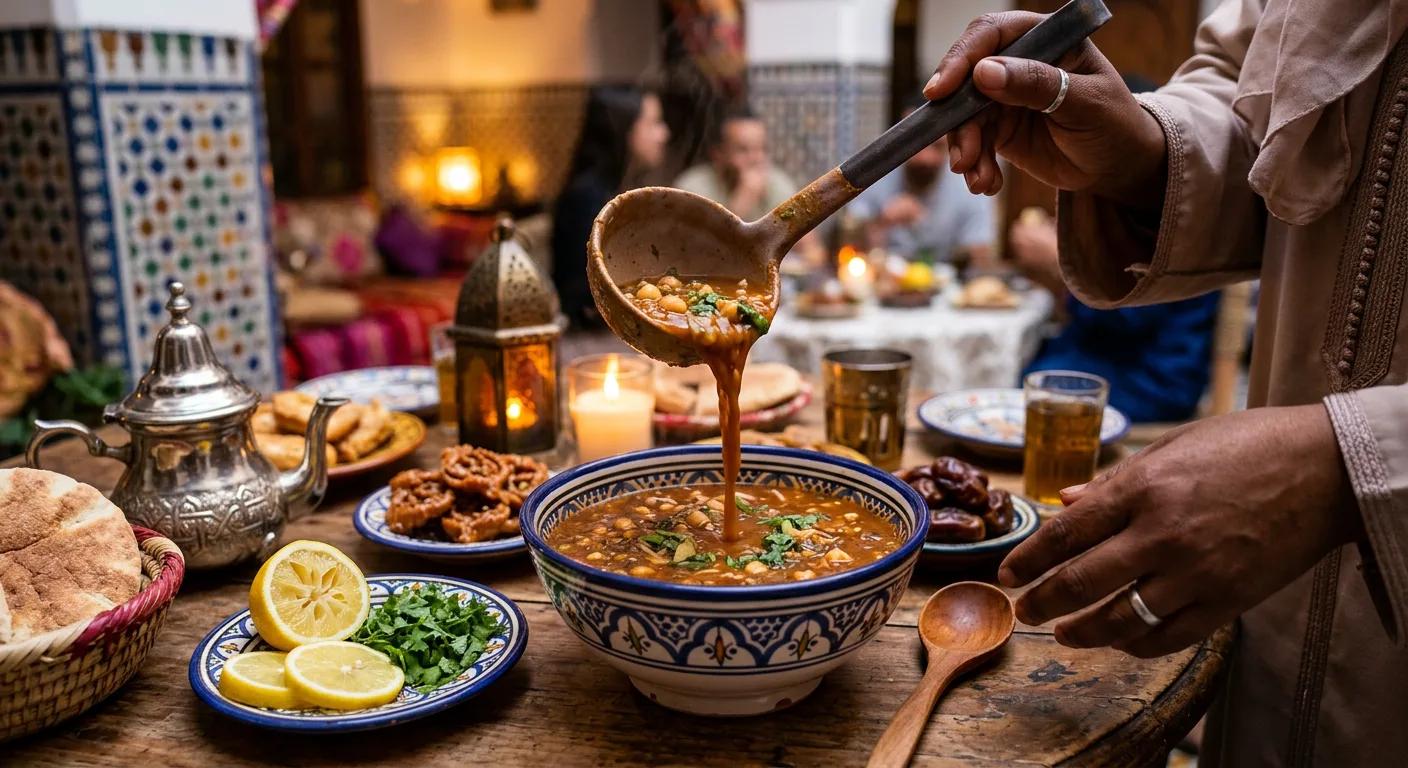
Harira
A rich soup commonly enjoyed during Ramadan but available throughout the year.
Trying local dishes offers a deeper understanding of Moroccan culture.
Visit Le Jardin Secret
Marrakech hides many surprises behind ordinary walls.
Le Jardin Secret perfectly demonstrates this idea.
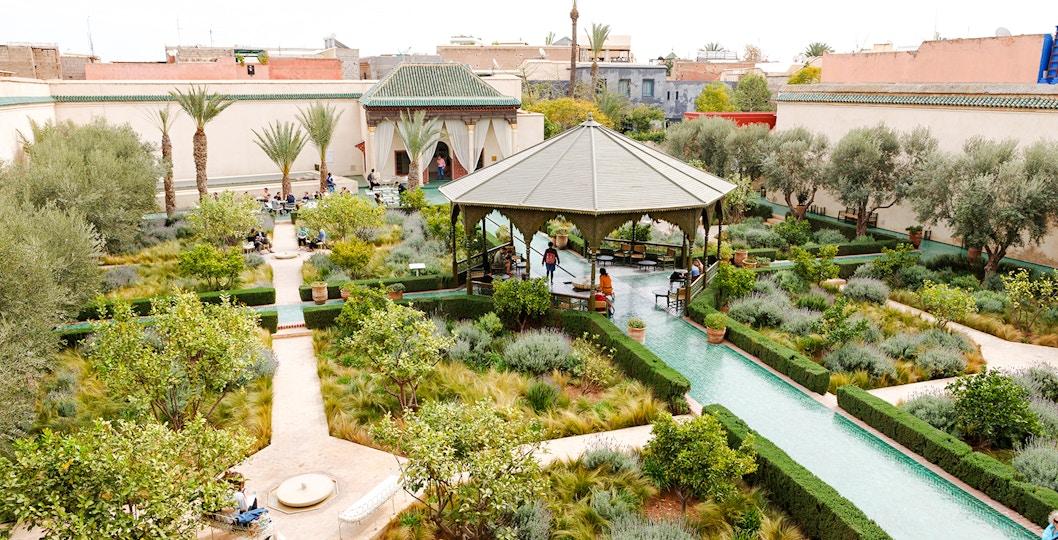
Originally dating back centuries, this restored complex contains beautiful Islamic gardens and traditional architecture.
Water channels run through carefully designed spaces, reflecting the importance of water in Islamic garden design.
The rooftop also offers impressive views across the Medina.
Take your time here.
Many travelers rush through attractions, yet places like this reward slower exploration.
Experience a Traditional Hammam
As evening approaches, consider one of Morocco’s oldest wellness traditions.
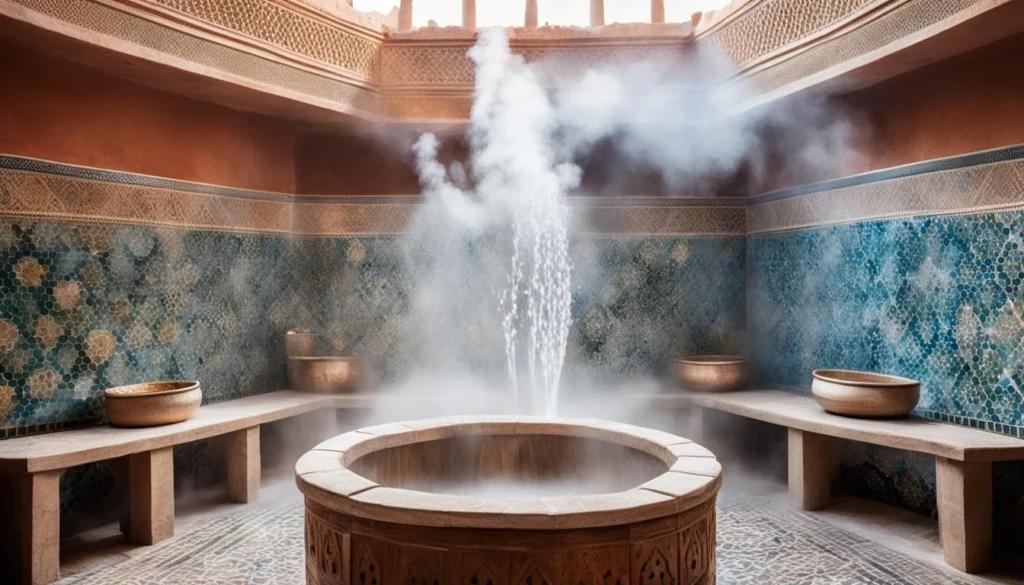
A traditional hammam is more than a spa treatment. It forms an important social and cultural experience.
The process usually includes:
- Steam bathing
- Black soap cleansing
- Exfoliation
- Relaxation
First-time visitors often leave feeling both refreshed and fascinated by the experience.
If you prefer additional comfort, many riads and luxury spas offer private hammam experiences.
Day 3: Authentic Experiences Beyond the Main Attractions
Your final day focuses on deeper cultural experiences and memorable moments.
After two days, you will already recognize familiar streets and understand the city’s rhythm better.
Now it is time to experience Marrakech on a more personal level.
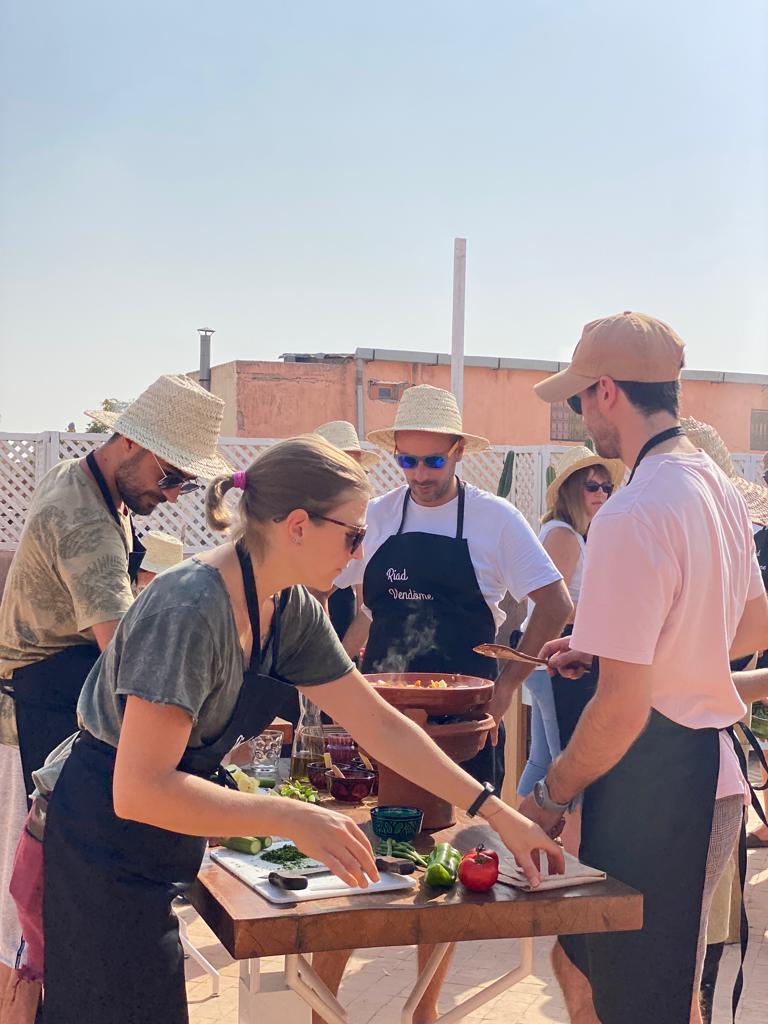
Take a Morning Cooking Class
Food tells stories.
Moroccan cuisine reflects centuries of cultural influences from Arab, Berber, African, Andalusian, and Mediterranean traditions.
Many cooking classes begin with visits to local markets where instructors explain ingredients and spices.
You may learn about:
- Saffron
- Ras el Hanout
- Preserved lemons
- Fresh herbs
- Traditional breads
Later, participants prepare dishes under local guidance.
Cooking creates a stronger connection to culture than simply ordering food at a restaurant.
Moreover, the skills learned often travel home with you.
Explore the Mellah District
The Mellah, Marrakech’s historic Jewish quarter, offers another fascinating layer of the city’s history.
Established centuries ago, this area reflects Morocco’s multicultural heritage.
As you walk through the neighborhood, notice architectural differences and quieter streets compared to the central Medina.
Visit local markets and historical sites while learning about the communities that shaped Marrakech over generations.
Understanding these cultural layers makes the city feel richer and more complex.
Enjoy Lunch on a Rooftop Terrace
By your third day, rooftop dining feels almost essential.
Above the busy streets, Marrakech reveals another personality.
Minarets rise above rooftops while distant mountains appear on clear days.
Meanwhile, sounds from the Medina drift upward in softer waves.
Order mint tea and slow down for a while.
Travel memories often come from small moments rather than famous landmarks.
Discover Moroccan Craft Traditions
Marrakech has long served as a center for craftsmanship.
Instead of purchasing souvenirs quickly, spend time learning about the work behind them.
Artisans continue producing handmade goods using techniques passed through generations.
Look for:
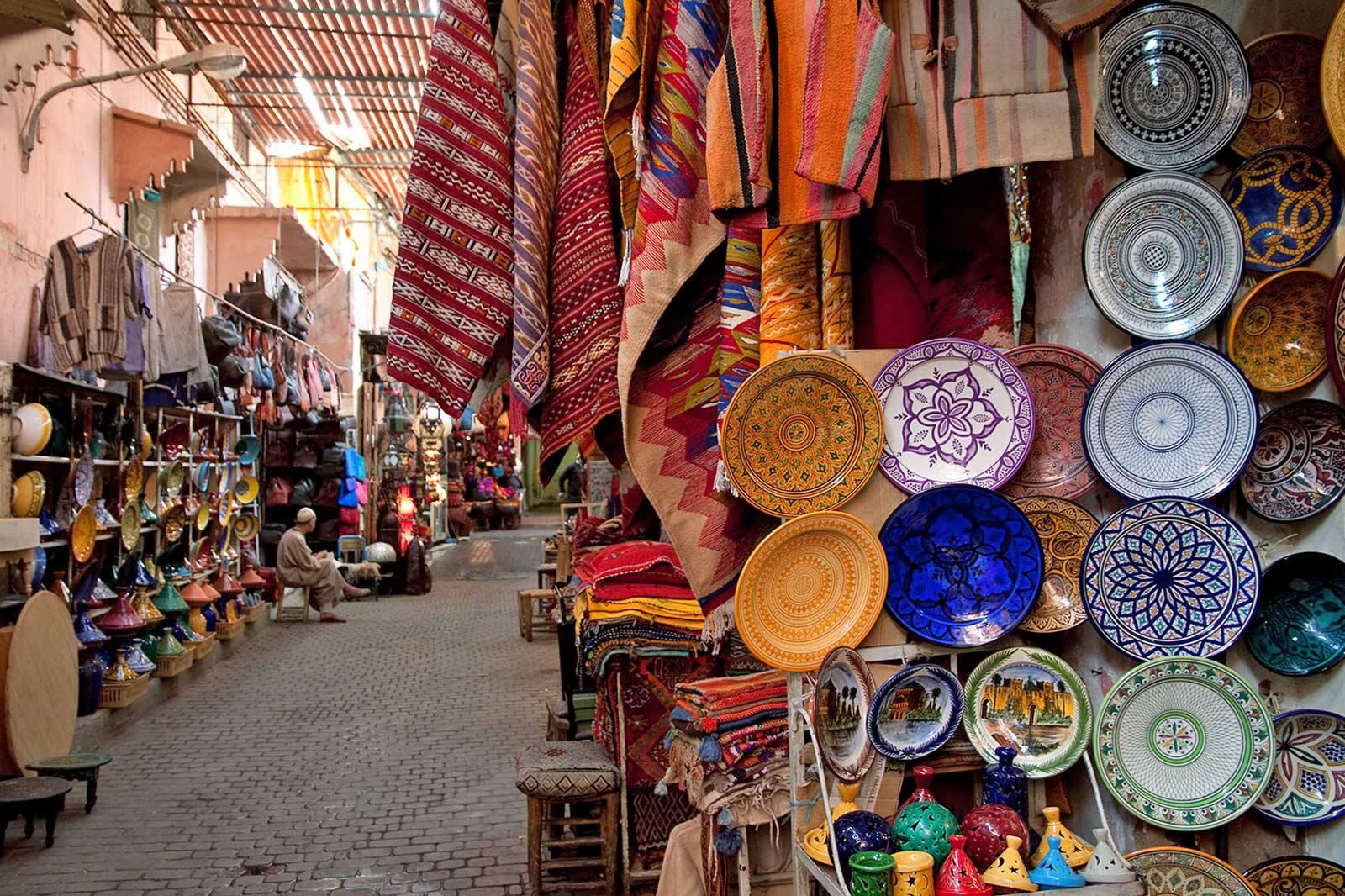
Handwoven carpets
Different regions of Morocco produce distinct styles and patterns.
Traditional ceramics
Moroccan pottery often features detailed geometric designs and vibrant colors.
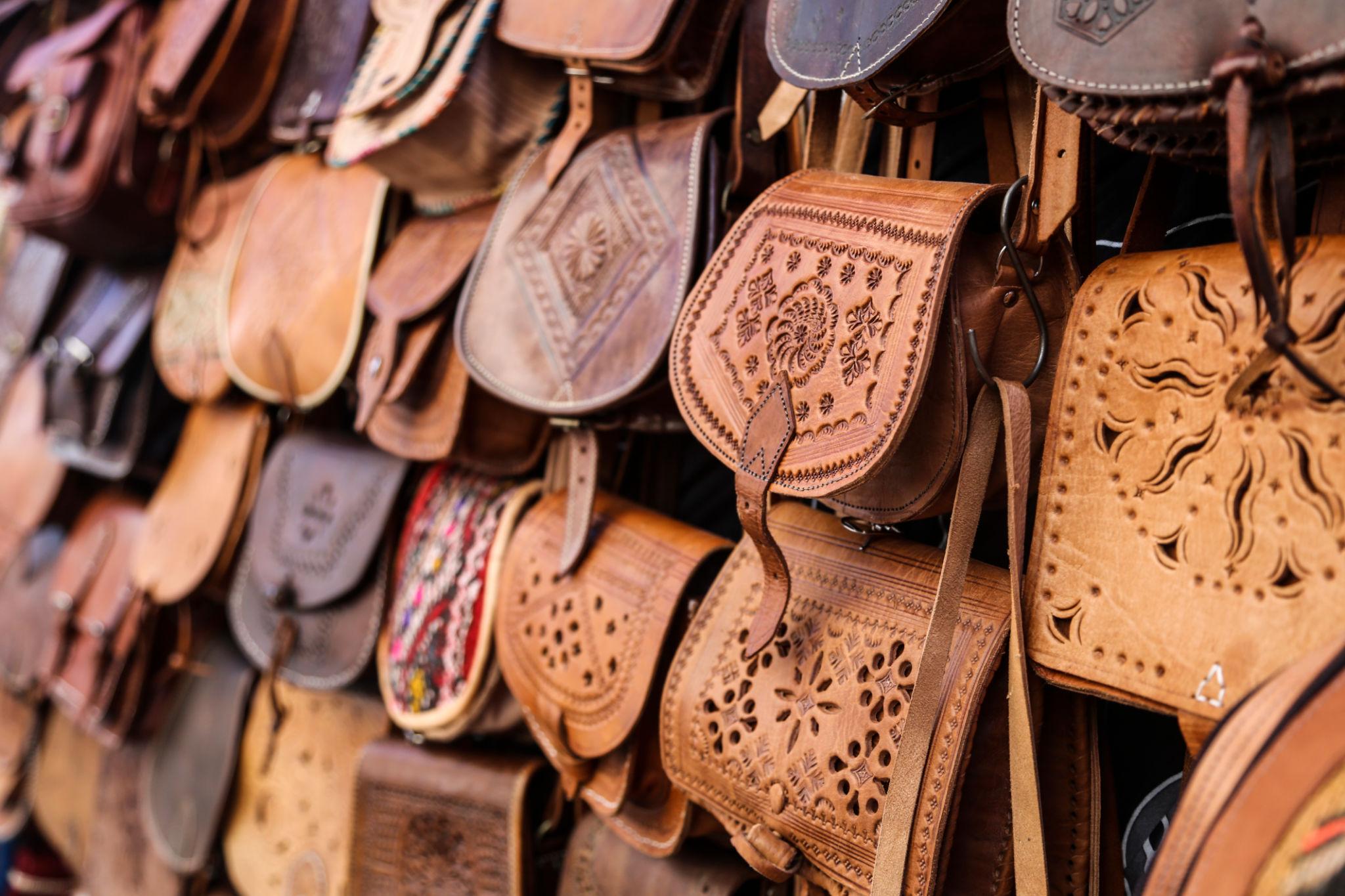
Leather products
Bags, slippers, and belts remain popular purchases.
Metal lanterns
Handcrafted lanterns create beautiful patterns of light and shadow.
Understanding craftsmanship adds meaning to what you bring home.
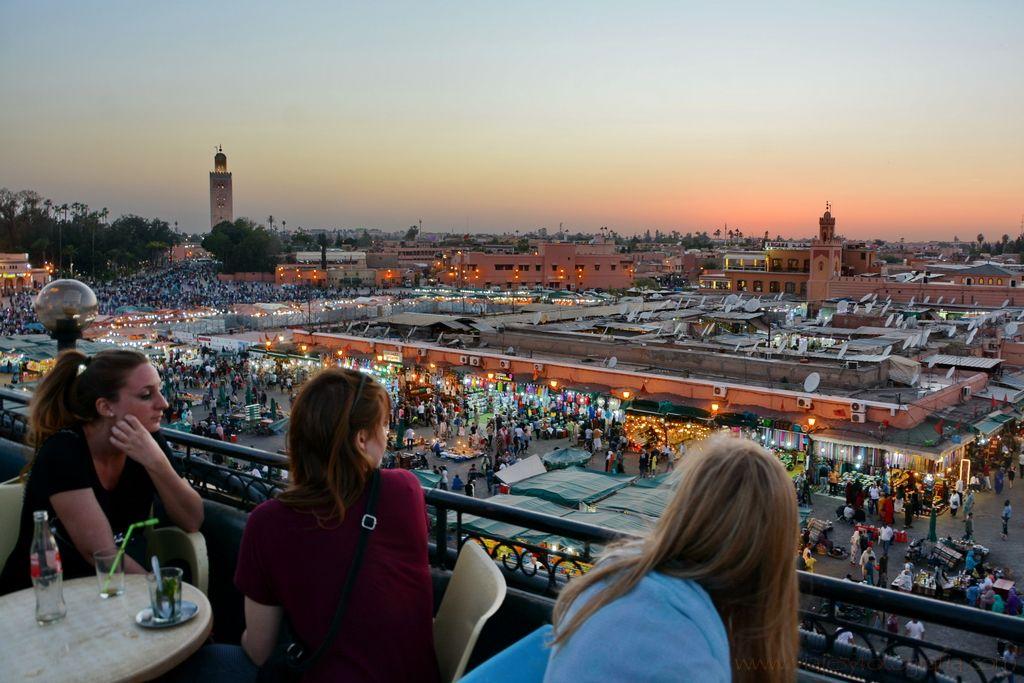
Watch Sunset from a Rooftop Café
As your final evening approaches, find a rooftop café overlooking the city.
Sunsets in Marrakech often feel cinematic.
The sky gradually shifts through shades of gold, pink, and orange while the call to prayer echoes across the rooftops.
People pause for a moment.
The city seems to slow down.
Then, almost immediately, Marrakech comes alive again.
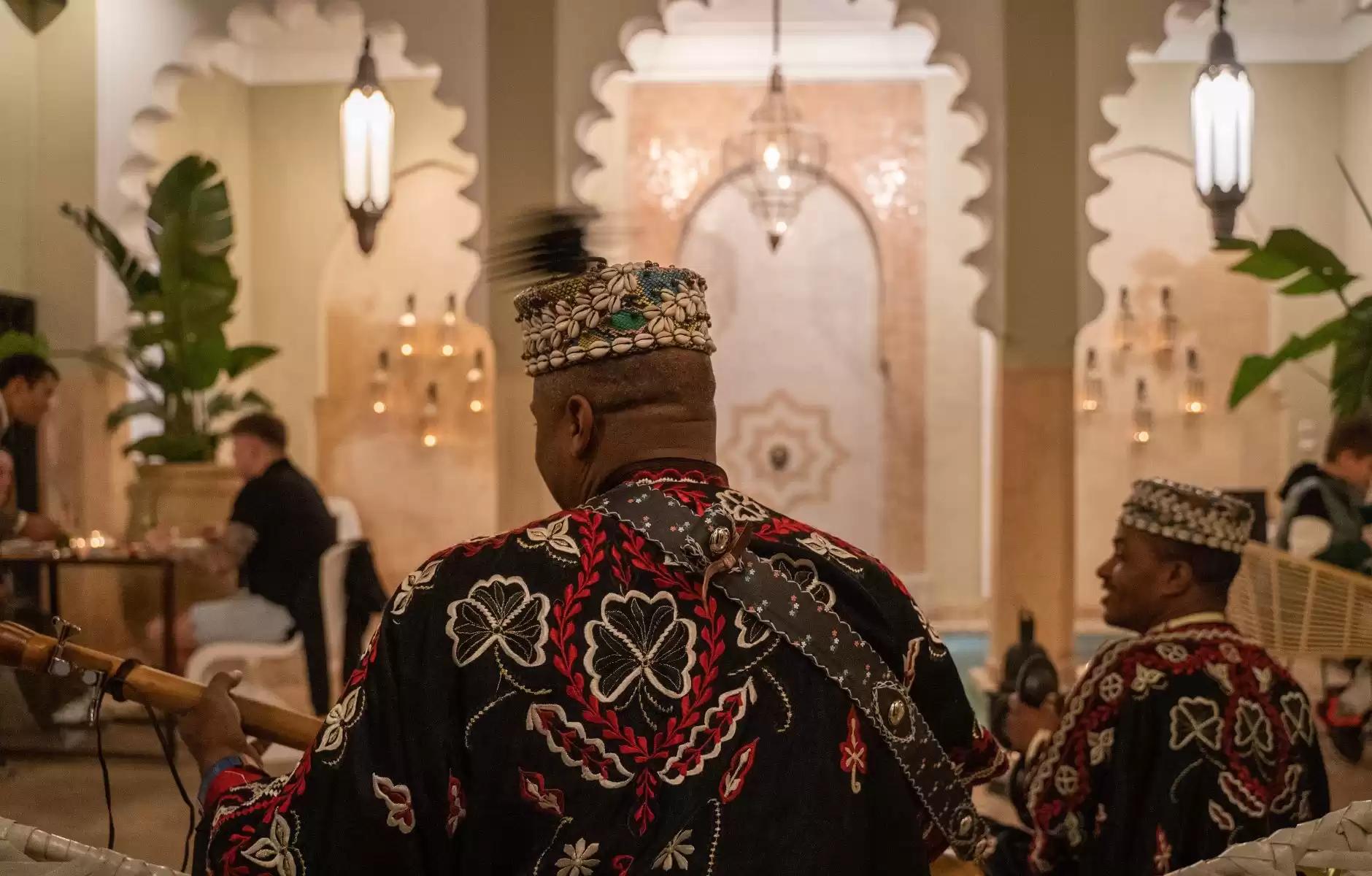
Enjoy a Farewell Dinner with Traditional Entertainment
End your final night with a memorable dinner.
Many venues combine Moroccan cuisine with live performances featuring music, dance, and traditional cultural elements.
However, choose places that focus on authentic experiences rather than heavily commercialized performances.
A relaxed setting with local musicians often feels more memorable than oversized tourist productions.
As your final evening ends, you may realize something unexpected.
Three days in Marrakech feels both long and short at the same time.
You experience so much, yet the city still leaves you curious.
Helpful Travel Tips for Spending 3 Perfect Days in Marrakech
A few practical tips can make your experience smoother:
Dress Respectfully
Marrakech welcomes international visitors. However, modest clothing shows cultural respect and helps you feel comfortable while exploring.
Lightweight fabrics work well during warm months.
Carry Cash
Many shops and market vendors still prefer cash payments.
Keep smaller bills available, especially when shopping in souks.
Stay in a Traditional Riad
Hotels offer convenience, but riads provide a more immersive experience.
Their architecture, hospitality, and atmosphere often become highlights of the trip.
Start Early
Major attractions become busier later in the day.
Early mornings also bring cooler temperatures.
Accept That You Will Get Lost
The Medina confuses almost everyone at first.
Do not fight it.
Sometimes the best discoveries happen in unexpected corners.
Learning how to spend 3 perfect days in Marrakech is not simply about seeing landmarks. It is about understanding the city’s rhythm and allowing yourself to experience it fully.
Over three days, you can explore historic palaces, wander through centuries-old markets, taste traditional dishes, relax in hidden gardens, and discover stories woven into everyday life.
Marrakech rewards curiosity.
It invites you to slow down, observe details, and embrace moments that cannot be planned entirely. The scent of spices in the Medina, the quiet beauty of a riad courtyard, the sound of distant music at sunset — these experiences stay with travelers long after they leave.
And perhaps that is Marrakech’s greatest charm.
You arrive expecting a destination.
You leave remembering a feeling.
1. Is 3 days enough to explore Marrakech?
Yes. Three days is the ideal amount of time for most first-time visitors. It gives you enough time to explore the historic Medina, visit famous attractions like Bahia Palace and Majorelle Garden, experience authentic Moroccan cuisine, relax in a traditional hammam, and enjoy the city’s vibrant atmosphere without feeling rushed.
2. What is the best time of year to visit Marrakech?
The best times to visit Marrakech are during spring
3. Where should I stay during a 3-day trip to
The Mount Toubkal trek is moderately challenging. Although no technical climbing is required in normal conditions, hikers should be prepared for long ascents, high altitude, and changing weather. A reasonable level of fitness is recommended.
4. Do I need a guide for hiking the Atlas Mountains?
While some shorter trails can be explored independently, hiring a local guide is highly recommended for longer or more remote treks. Guides improve safety, provide valuable cultural insights, and help support local Amazigh communities.
5. What should I pack for an Atlas Mountains trek?
Essential items include sturdy hiking boots, layered clothing, a waterproof jacket, sun protection, a reusable water bottle, trekking poles, snacks, and a small first-aid kit. Weather can change quickly, especially at higher elevations.
6. Can I hike the Atlas Mountains as a day trip from Marrakech?
Absolutely. Many of the most popular hiking areas, including Imlil and Ouirgane, are only 1.5 to 2 hours from Marrakech. Several guided day hikes are available, making the Atlas Mountains an excellent excursion for travelers with limited time.
7. Are the Atlas Mountains safe for tourists?
Yes. The Atlas Mountains are generally considered safe for visitors. As with any outdoor adventure, it’s important to stay on marked trails, check weather conditions, and use an experienced guide for remote or high-altitude routes.
8. How many days should I spend hiking the Atlas Mountains?
The ideal duration depends on your interests. A one-day hike offers a taste of the region, while a two- or three-day trek allows you to explore mountain villages and scenic valleys. Travelers seeking a deeper adventure often choose four to seven-day trekking itineraries.
9. What makes hiking the Atlas Mountains unique?
Hiking the Atlas Mountains combines spectacular scenery with authentic cultural experiences. In addition to breathtaking peaks and valleys, travelers have the opportunity to visit traditional Amazigh villages, enjoy local hospitality, and discover a way of life that has remained largely unchanged for generations.
10. Can the Atlas Mountains be combined with a Sahara Desert tour?
Yes. Many visitors combine a trek in the Atlas Mountains with a journey to the Sahara Desert. This itinerary showcases two of Morocco’s most iconic landscapes, offering an unforgettable mix of mountain adventures, historic kasbahs, lush valleys, and golden sand dunes.
Ready to discover Morocco? Let's plan your perfect trip.
Whether it’s a desert adventure from Marrakech, an imperial cities tour, or a custom itinerary — our team responds within 24 hours with a tailored plan and quote.