
Saffron Harvest in Taliouine: Discover Morocco’s Red Gold
The Saffron Harvest in Taliouine is one of the most fascinating seasonal experiences in southern Morocco. For a few short weeks each autumn, the landscapes around Taliouine in the Anti-Atlas Mountains are transformed by the appearance of delicate purple saffron flowers. Before sunrise, local farmers head into the fields to collect the flowers by hand, beginning a careful process that eventually produces one of the world’s most valuable spices.
Known locally as “red gold,” saffron has become closely associated with Taliouine and the surrounding region of Morocco. The harvest is not simply an agricultural activity. It is part of local culture, traditional knowledge, rural livelihoods, Moroccan gastronomy, and community life.
For travelers, visiting Taliouine during harvest season offers the opportunity to see saffron growing in its natural environment, learn how the flowers are picked and processed, meet local producers, and understand why such a small quantity of spice requires so much work.
Taliouine is located in the province of Taroudant, between the High Atlas and Anti-Atlas landscapes. The region is also strategically positioned for travelers exploring southern Morocco, particularly those traveling between Ouarzazate, Taroudant, Agadir, and Marrakech.
If you are planning a Morocco trip in autumn and want to experience something beyond the country’s famous medinas and desert dunes, the Saffron Harvest in Taliouine deserves a place on your itinerary.
Saffron Harvest in Taliouine: When Does It Take Place?
One of the most important things to understand about the Saffron Harvest in Taliouine is that the season is extremely short.
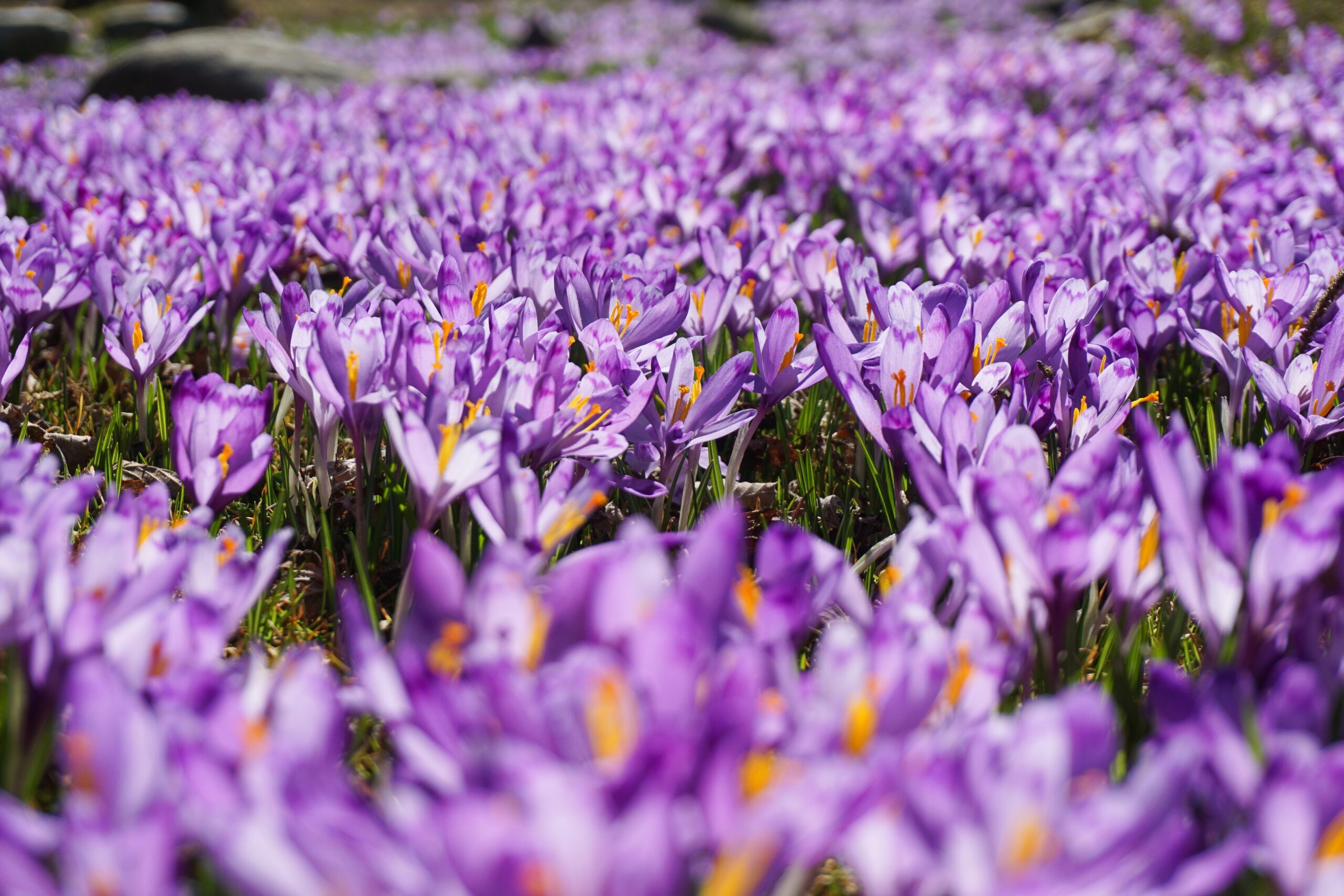
The saffron crocus generally flowers for only around two to three weeks, usually from late October through mid-November. The exact dates can change from year to year because flowering depends on autumn rainfall and overnight temperatures.
The Best Time to Visit Taliouine
For travelers hoping to see the saffron flowers in the fields, late October and early November are generally the most promising period.
The harvest begins when the first flowers appear.
This means that unlike many agricultural experiences that last for several months, saffron tourism in Taliouine depends on a very specific seasonal window.
If seeing the harvest is the main purpose of your visit, flexibility is important.
Why Is Saffron Harvested So Early?
Saffron flowers are extremely delicate.
The flowers are traditionally picked in the early morning, before strong sunlight causes them to open fully. Local harvesting practices therefore require workers to reach the fields around dawn and collect the flowers while they are still closed or only partially open.
This early-morning tradition is one of the most distinctive parts of the experience.
Imagine arriving in the countryside before sunrise, walking between rows of saffron crocuses, and watching local farmers carefully collect flowers by hand.
It is a very different experience from visiting Morocco’s major cities later in the day.
Why Is Taliouine Famous for Saffron?
Taliouine has become closely identified with saffron production in Morocco.
The town sits in the Anti-Atlas region, where the combination of altitude, climate, soil, and traditional agricultural knowledge provides suitable conditions for saffron cultivation.
Taliouine and Morocco’s “Red Gold”
Saffron is often described as red gold because of its high value and the intensive manual labor required to produce it.
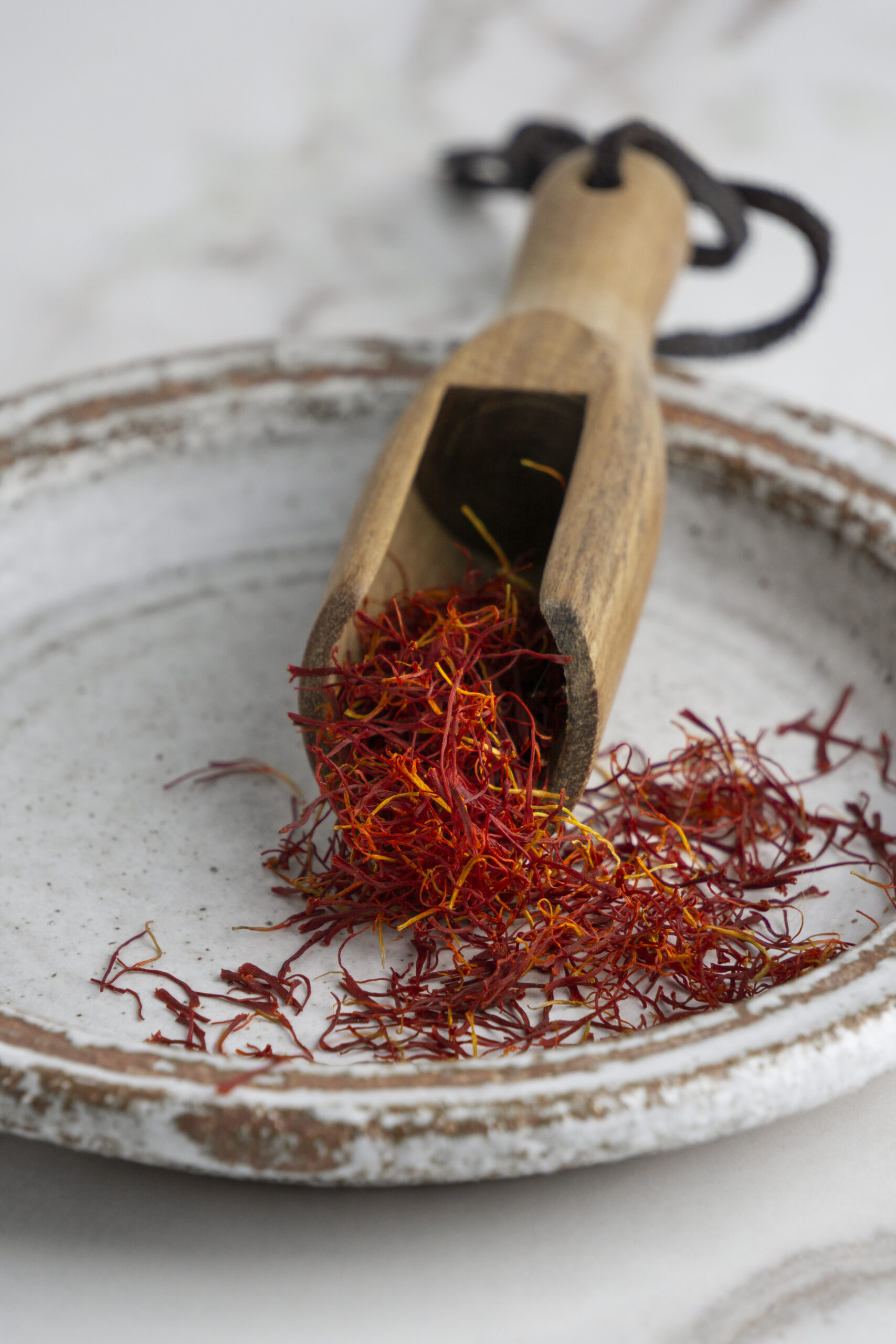
The spice comes from the dried red stigmas of the Crocus sativus flower.
Each flower produces only a small number of usable red stigmas, which means that producing significant quantities of saffron requires harvesting and processing a very large number of flowers.
This explains why saffron is much more expensive than many other culinary spices.
A Traditional Agricultural Heritage
Saffron cultivation in Taliouine is deeply connected with rural life.
The harvest brings families and agricultural communities together for a short but intensive period.
Flowers are collected, transported, separated, and dried according to traditional practices that have been maintained across generations.
For visitors, this makes Taliouine particularly interesting because the attraction is not simply the spice itself.
It is the people, landscape, agricultural knowledge, and traditions behind the spice.
Saffron and Local Livelihoods
Saffron production also contributes to the local economy.
For communities around Taliouine, the harvest represents an important agricultural activity and a source of income.
The region’s saffron has also become an important part of Morocco’s culinary identity and rural tourism potential.
How Is Saffron Harvested in Taliouine?
The process behind saffron is surprisingly detailed.
What appears in a small spice container represents a considerable amount of manual work.
Step 1: The Flowers Appear
The saffron crocus grows from underground corms.
After the appropriate seasonal conditions arrive, the flowers emerge from the soil.
The flowering period is brief, which creates a very concentrated harvest.
Step 2: Flowers Are Picked by Hand
The flowers are traditionally collected manually during the early morning.
Workers carefully pick the flowers before the sun becomes strong.
This process must be repeated regularly while new flowers continue to appear.
Step 3: The Red Stigmas Are Separated
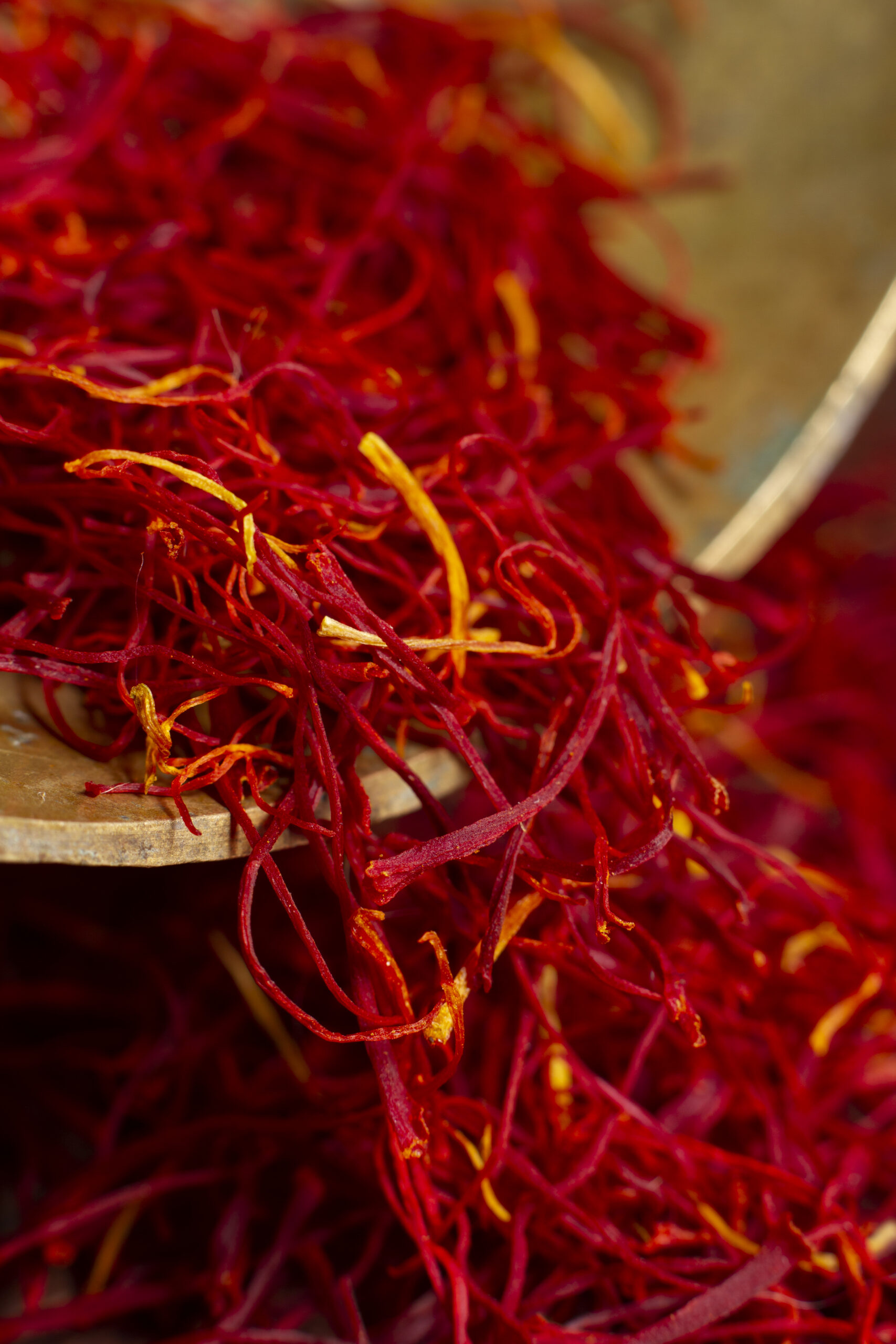
Once the flowers are collected, the delicate red stigmas are removed from the purple petals.
This is one of the most precise parts of the process.
The usable saffron comes from these red stigmas, not from the entire flower.
Step 4: The Stigmas Are Dried
The freshly separated stigmas need to be dried carefully.
Drying transforms the fresh material into the familiar deep-red saffron threads used in cooking.
The final product is then prepared for storage, sale, and use.
Why Is Saffron So Expensive?
The answer is largely related to labor and quantity.
A saffron flower provides only a tiny amount of usable spice.
At the same time, each flower must be harvested and processed individually.
The short flowering period makes the work even more concentrated.
This is why saffron production is one of the most labor-intensive spice-harvesting processes in the world.
What Is It Like to Visit Taliouine During the Saffron Harvest?
Visiting Taliouine during harvest season can feel very different from visiting Morocco during the peak summer months.
The town and surrounding countryside become connected to the rhythm of the harvest.
Early Morning in the Saffron Fields
The most memorable moment is often the beginning of the day.
Travelers visiting with local producers may have the opportunity to see the fields early in the morning, when farmers are already collecting flowers.
The combination of mountain scenery, cool autumn air, purple flowers, and early morning light creates a unique atmosphere.
Morocco’s official tourism material describes saffron harvesting in Taliouine as a distinctive gastronomic experience and notes that visitors can observe or participate in the harvesting process.
Meeting Local Producers
A visit to Taliouine becomes more meaningful when you have the chance to speak with local farmers or members of a saffron cooperative.
They can explain:
- How saffron is cultivated
- When the flowers appear
- How the harvest is organized
- How the stigmas are separated
- How saffron is dried
- How the final product is stored
- How saffron is used in Moroccan cuisine
These conversations can turn a simple visit into a genuine cultural experience.
Visiting a Saffron Cooperative
Cooperatives can be an excellent place to learn more about the local production process.
Depending on the season and the cooperative, visitors may see saffron being sorted, dried, packaged, or prepared for sale.
Buying directly from a reputable local cooperative can also provide a more meaningful connection with the people producing the spice.
Saffron in Moroccan Culture and Cuisine
Saffron is not simply a luxury ingredient.
It has a place in Moroccan culinary traditions and is used in different dishes, drinks, and preparations.
Saffron and Moroccan Cooking
A small amount of saffron can add aroma, color, and complexity to food.
It may be used in:
- Moroccan rice dishes
- Couscous variations
- Tagines
- Soups
- Sauces
- Seafood dishes
- Tea and infusions
- Festive recipes
The quantity used is usually small because saffron has a concentrated aroma and flavor.
Saffron Tea
In some parts of Morocco, saffron may also be incorporated into tea and other drinks.
Tasting saffron in Taliouine gives visitors the opportunity to experience the spice close to its source rather than simply purchasing it as a souvenir.
Buying Saffron in Morocco
If you want to purchase saffron during your trip, pay attention to the quality and origin of the product.
Authentic saffron consists of delicate red threads rather than an anonymous powder.
When purchasing locally, ask about:
- Origin
- Harvest year
- Producer or cooperative
- Packaging
- Storage
- Recommended culinary use
Buying directly from a recognized local producer or cooperative can make it easier to understand what you are purchasing.
The Taliouine Saffron Festival
The saffron harvest has also inspired an annual cultural celebration in Taliouine.
The International Saffron Festival is associated with the harvest period and brings attention to saffron producers, local agriculture, culinary traditions, and the region’s cultural heritage.
Festival programming can vary by year, so travelers should verify the official dates before planning a trip around the event.
The harvest itself, however, remains the main seasonal attraction.
Why Visit During the Festival?
If your visit coincides with the festival, you may encounter a livelier atmosphere around the town.
Events can provide opportunities to discover:
- Local saffron products
- Traditional foods
- Agricultural demonstrations
- Local crafts
- Cultural performances
- Producer cooperatives
- Regional traditions
The festival provides a broader cultural context for understanding why saffron is so important to Taliouine.
The Harvest Is Still the Main Experience
It is worth remembering that the festival and the harvest are not exactly the same thing.
Even outside festival dates, visiting Taliouine during the flowering and harvesting period can provide an authentic opportunity to learn about saffron production.
How to Include Taliouine in a Morocco Tour
Taliouine is particularly interesting for travelers exploring southern Morocco.
Its location makes it possible to connect the saffron region with destinations such as Ouarzazate, Ait Benhaddou, Taroudant, Agadir, Essaouira, and Marrakech.
Ouarzazate to Taliouine
Travelers coming from Ouarzazate can combine saffron discovery with the landscapes of southern Morocco.
A longer itinerary can include:
- Ouarzazate
- Ait Benhaddou
- Taznakht
- Taliouine
- Taroudant
- Agadir
This route combines kasbahs, mountain landscapes, Berber communities, agriculture, and southern Moroccan culture.
Ideal Tour Morocco already has an itinerary where Day 10 travels from Ouarzazate through Taznakht to Taliouine and then Taroudant, specifically noting that travelers visiting during the saffron harvest may have the opportunity to meet local residents in the fields.
You can discover the exact itinerary here: 15 Days Tour from Casablanca.
Taliouine on a Longer Morocco Journey
For travelers wanting to explore Morocco more extensively, the 16 Days Morocco Tour from Casablanca also includes the southern route through Ouarzazate, Ait Benhaddou, Taznakht, Taliouine, Taroudant, Agadir, Essaouira, and Marrakech.
This makes it another excellent itinerary to consider if your travel dates overlap with saffron harvest season.
Explore the exact tour here: 16 Days Morocco Tour from Casablanca.
Combining Taliouine With Marrakech
If you are starting or ending your trip in Marrakech, Taliouine can be incorporated into a broader southern Morocco route.
The journey allows you to move from the urban energy of Marrakech toward the landscapes of the High Atlas and Anti-Atlas, before continuing into the southern valleys and desert regions.
This combination gives travelers the chance to experience several very different Moroccan environments within the same trip.
Why Visit Taliouine During Autumn?
Autumn is one of the most interesting seasons for exploring southern Morocco.
The summer heat begins to ease, agricultural activity becomes more visible, and several seasonal experiences become available.
A Different Side of Morocco
Many visitors associate Morocco with:
- Marrakech
- Fes
- Chefchaouen
- Sahara Desert
- Ait Benhaddou
These destinations are spectacular, but rural experiences such as the saffron harvest reveal another dimension of the country.
Taliouine introduces travelers to agricultural Morocco, where local communities remain closely connected to the land and seasonal cycles.
A Short Seasonal Window
The short saffron flowering period is one of the reasons the experience is so special.
The flowers may only be visible for a few weeks.
If you are specifically planning a saffron-focused trip, check local conditions before traveling because the exact harvest dates can change from year to year.
An Experience for Food and Culture Lovers
Taliouine is especially appealing to travelers interested in:
- Moroccan cuisine
- Local agriculture
- Traditional crafts
- Rural communities
- Photography
- Cultural tourism
- Sustainable travel
- Authentic experiences
It is an ideal complement to a traditional Morocco itinerary.
Practical Tips for Visiting Taliouine During Saffron Harvest
Travel in Late October or Early November
This is generally the most promising period for seeing saffron flowers and harvest activity.
However, the exact timing depends on seasonal weather conditions.
Start Early
If you want to see the harvesting process, expect an early morning.
The flowers are traditionally collected before the strong sunlight of the day.
Dress for the Mountains
Taliouine is located in a mountainous region, so autumn mornings can feel cool.
Bring layers that can be adjusted throughout the day.
Wear Comfortable Shoes
If you visit saffron fields, you may walk over uneven agricultural terrain.
Comfortable shoes are highly recommended.
Respect Farmers and Local Communities
Always ask before photographing people closely.
Follow the instructions of your local guide or host when entering agricultural fields.
The saffron harvest is a real working environment, not simply a tourist attraction.
Buy From Trusted Producers
If you purchase saffron, choose a reputable cooperative or local producer and ask about the origin and harvest.
A small quantity of genuine saffron can go a long way in Moroccan cooking.
Frequently Asked Questions About Saffron Harvest in Taliouine
When is the saffron harvest in Taliouine?
The Saffron Harvest in Taliouine generally takes place from late October through mid-November, with the flowering period lasting only around two to three weeks. Exact dates vary according to autumn rainfall and temperatures.
Where is Taliouine located in Morocco?
Taliouine is located in Taroudant Province in the Souss-Massa region of southern Morocco, in the Anti-Atlas area. It is an important center for Moroccan saffron production and is located between destinations such as Ouarzazate and Taroudant.
Can tourists visit saffron fields in Taliouine?
Yes. During the harvest period, visitors may have opportunities to visit saffron fields and learn about harvesting and processing through local producers or cooperatives. Access should be arranged respectfully and preferably in advance.
What is the best month to see saffron harvesting in Taliouine?
November is generally one of the best months because the harvest commonly takes place from late October into mid-November. However, the exact dates can change each year depending on weather and flowering conditions.
Can I combine Taliouine with an Ouarzazate and Marrakech tour?
Yes. Taliouine fits naturally into a southern Morocco itinerary connecting Ouarzazate, Taznakht, Taliouine, Taroudant, Agadir, and Marrakech. Ideal Tour Morocco’s 15 Days Tour from Casablanca and 16 Days Morocco Tour from Casablanca both include Taliouine on their southern route.
The Saffron Harvest in Taliouine offers a rare opportunity to discover Morocco through one of its most distinctive agricultural traditions. For only a few weeks each year, the Anti-Atlas countryside becomes the setting for an intensive harvest in which delicate purple flowers are collected by hand before sunrise and transformed into precious red saffron threads.
Beyond the spice itself, the experience is about meeting local producers, discovering rural Moroccan life, tasting regional products, and understanding how agriculture remains connected to culture and community.
If your Morocco trip takes place in late October or November, consider adding Taliouine to your itinerary and combining the saffron harvest with Ouarzazate, Ait Benhaddou, Taroudant, Agadir, Essaouira, or Marrakech.
Would you like to visit Taliouine during the saffron harvest and see how Morocco’s “red gold” is produced? Have you ever tasted authentic Moroccan saffron? Share your thoughts in the comments!
Ready to discover Morocco? Let's plan your perfect trip.
Whether it’s a desert adventure from Marrakech, an imperial cities tour, or a custom itinerary — our team responds within 24 hours with a tailored plan and quote.