
Atlas Mountains Morocco: The Ultimate Travel Guide to Trekking, Villages & Hidden Valleys
There are places in the world that stop you in your tracks — not because of a single landmark or a famous restaurant, but because the landscape itself feels ancient, breathing, and alive. The Atlas Mountains of Morocco are exactly that kind of place. Rising dramatically from the desert plains south of Marrakech, these peaks form the spine of an entire civilization — one that has shaped Berber culture, North African trade routes, and the imagination of travelers for centuries.
Whether you’re a seasoned hiker with your eyes on Mount Toubkal, a culture lover searching for authentic village life, or simply a curious traveler who wants to escape the medina chaos and breathe cool mountain air — the Atlas Mountains deliver. This guide covers everything you need to plan a truly memorable Atlas Mountains Morocco trip, from the best trekking routes and Berber villages to practical logistics, packing lists, and places to stay.
Why the Atlas Mountains Should Be on Every Morocco Itinerary
Most visitors to Morocco focus their energy on the imperial cities — Marrakech, Fes, Chefchaouen — and while those destinations are undeniably spectacular, skipping the Atlas Mountains means missing the country’s most dramatic and deeply human landscape.
The Atlas range is actually divided into three distinct mountain systems. The High Atlas is the most famous and most visited, home to Toubkal (4,167m), the highest peak in North Africa and the Arab world. The Middle Atlas, lying further northeast, is greener and forested, dotted with cedar forests and Barbary macaque monkeys near Azrou. The Anti-Atlas in the south offers a more arid, dramatic desert-edge scenery, less trodden and quietly spectacular.
What makes the Atlas Mountains Morocco genuinely special — beyond the raw scenery — is that they are a living, working cultural landscape. The Amazigh (Berber) people have called these mountains home for thousands of years, and their terraced fields, mud-brick kasbahs, and ancient mule trails are still the arteries of daily life here. A walk through the High Atlas is not a walk through a museum; it’s an encounter with a culture that has adapted to some of the harshest terrain on earth and done so with extraordinary grace.
For travelers, this translates into experiences that are rare in our increasingly commodified tourism world: sleeping in a family-run mountain gîte, watching a grandmother weave a carpet in her doorway, following a trail that has been walked for 600 years. The Atlas Mountains offer a Morocco that feels unfiltered, generous, and profoundly real.
Best Time to Visit the Atlas Mountains Morocco
The short answer: Spring (March to May) and autumn (September to November) are the best times to visit the Atlas Mountains. Temperatures are mild, trails are accessible, and the landscapes are at their most beautiful — wildflowers blanket the valleys in spring, and golden light saturates the slopes in autumn.
That said, each season has something to offer, and the “best” time ultimately depends on what you’re looking for.
Spring (March–May) is widely considered the prime trekking season. Snow at higher elevations begins to melt, feeding streams and waterfalls that cascade through the valleys. Wildflowers — poppies, lavender, and almond blossoms — transform the lower hillsides into something almost cinematic. Temperatures at altitude are comfortable during the day (15–22°C) and cool at night, making for excellent sleeping conditions in mountain lodges.
Summer (June–August) brings intense heat to Morocco’s lowlands, and while the mountains offer some relief (Imlil sits at around 1,740m), hiking to Toubkal’s summit in July means crossing snowfields in crampons and enduring very strong sun at altitude. Summer is busy, and the popular base camps can feel crowded. That said, clear skies make for reliable stargazing, and experienced trekkers handle the conditions well with an early start.
Autumn (September–November) rivals spring as the ideal window. The summer crowds have thinned, the light is extraordinary, and the harvest season brings the Atlas to life with the sights and smells of walnuts, apples, and saffron being collected in the valleys. October is particularly beloved by photographers and trekkers alike.
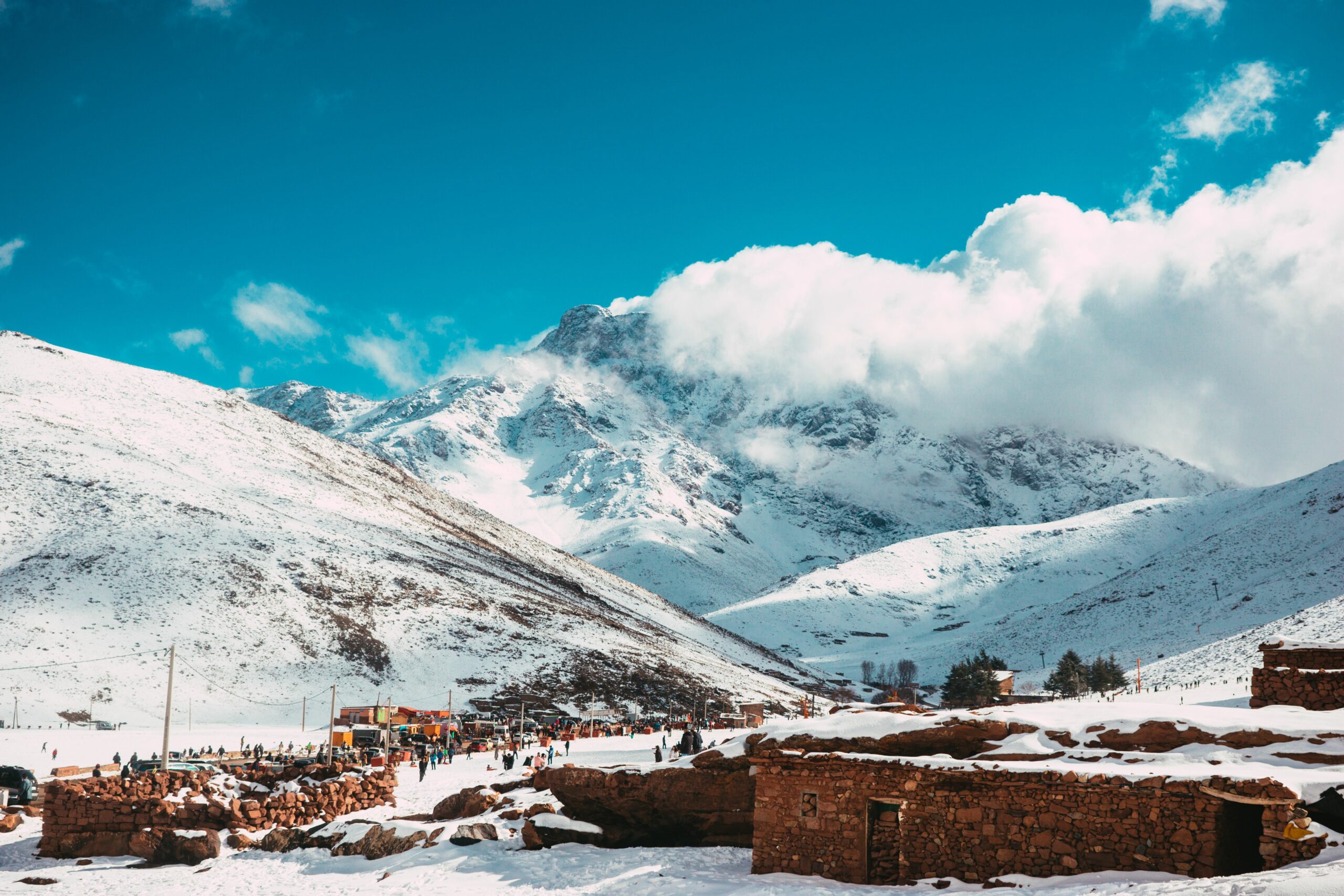
Winter (December–February) is for experienced mountaineers only above 3,000m. Snow makes Toubkal a serious technical climb requiring crampons and ice axes. However, lower altitude walks around Imlil and the Ourika Valley remain possible on warmer days, and the snow-dusted kasbah villages look genuinely magical. Some travelers prefer winter for the solitude and the sharp, cold clarity of the air.
A local note: the Imilchil Marriage Festival, held in the Middle Atlas each September, is one of Morocco’s most extraordinary cultural events. Thousands of Berber people gather over several days in a celebration of music, trade, and the ancient tradition of arranging marriages. Timing your Atlas trip around it adds a layer of cultural richness that’s hard to replicate.
Top Treks & Hikes in the Atlas Mountains for All Levels
The Atlas Mountains offer trekking routes that range from gentle half-day valley walks to serious multi-day summit climbs. There is genuinely something here for every fitness level and ambition.
Toubkal Summit — The Flagship Trek
The ascent of Jebel Toubkal (4,167m) is the most iconic trek in North Africa, and for good reason. The standard route begins in the village of Imlil, a charming base camp town about 60km south of Marrakech. From Imlil, most trekkers take a half-day walk to the Toubkal Refuge (3,207m), overnight, then summit the following morning.
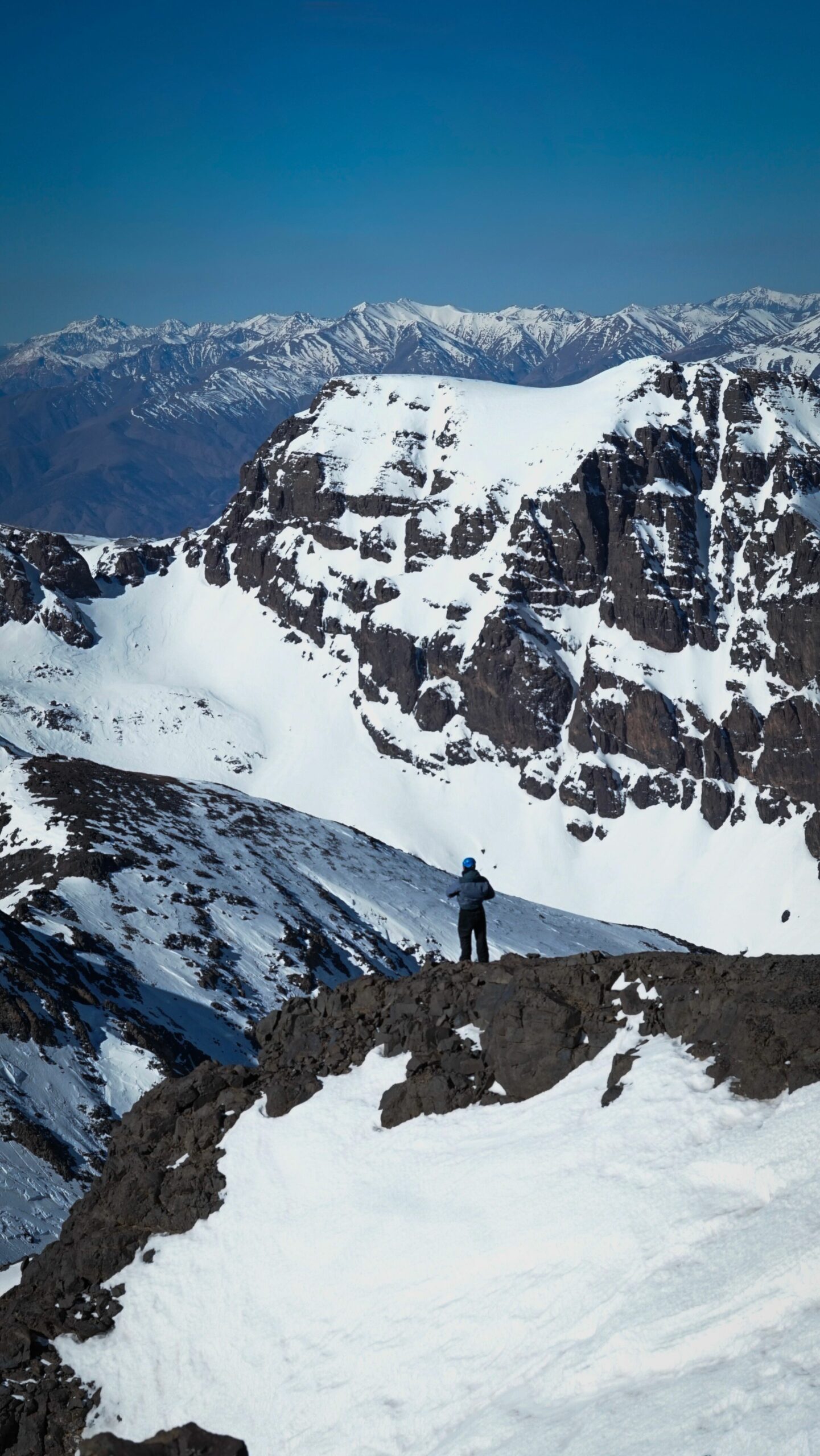
The summit push takes around four to six hours depending on conditions and fitness. The trail is non-technical in summer (no ropes or specialist gear required), but it is relentlessly steep and the altitude demands respect. Acclimatization, a slow pace, and plenty of hydration are non-negotiable. The views from the top — stretching across the High Atlas into the Sahara on clear days — are transformational.
In winter and early spring, the upper mountain requires crampons and an ice axe, and hiring a licensed guide becomes essential rather than optional.
Ourika Valley Day Hike
The Ourika Valley lies about 30km from Marrakech and offers a completely accessible introduction to the Atlas Mountains. The valley is lush, verdant, and populated with Berber villages perched dramatically above the rushing Ourika River. A popular route leads to the Setti Fatma waterfalls, a series of seven cascades that require a short scramble to explore. It’s a half-day adventure suitable for families and casual hikers, and the local restaurants along the river serve some of the freshest tajines you’ll find anywhere in Morocco.
Imlil to Aroumd Village Loop
This is arguably the most rewarding short trek in the High Atlas for travelers who want cultural depth alongside natural beauty. The walk from Imlil up to the terraced village of Aroumd (1,900m) takes roughly two hours and winds through walnut groves, irrigation channels, and past families working their fields. The views back down the valley to Imlil and the jagged peaks above are extraordinary. Aroumd also has several simple gîtes and a handful of cafés where you can sit with a glass of fresh mint tea and watch the world at its own unhurried pace.
M’Goun Massif — The Roses & Gorges Route
For trekkers seeking a more remote, less-traveled experience, the M’Goun Massif in the central High Atlas is exceptional. This multi-day route (typically four to six days) passes through the spectacular Aït Bougmez Valley (known as the “Valley of Happiness”) and the dramatic Gorges of M’Goun. The area is best known for its rose harvest in May, when the valleys fill with the scent of Damask roses used to produce Morocco’s famous rose water and essential oils. Hiring a local guide and mule support is standard practice on this route and adds significantly to the experience.
Berber Villages & Cultural Experiences You Can't Miss
The people of the Atlas Mountains Morocco are the Amazigh — the “free people” — and their culture is among the most ancient in North Africa. A visit to the Atlas Mountains Morocco is as much a cultural journey as a physical one.
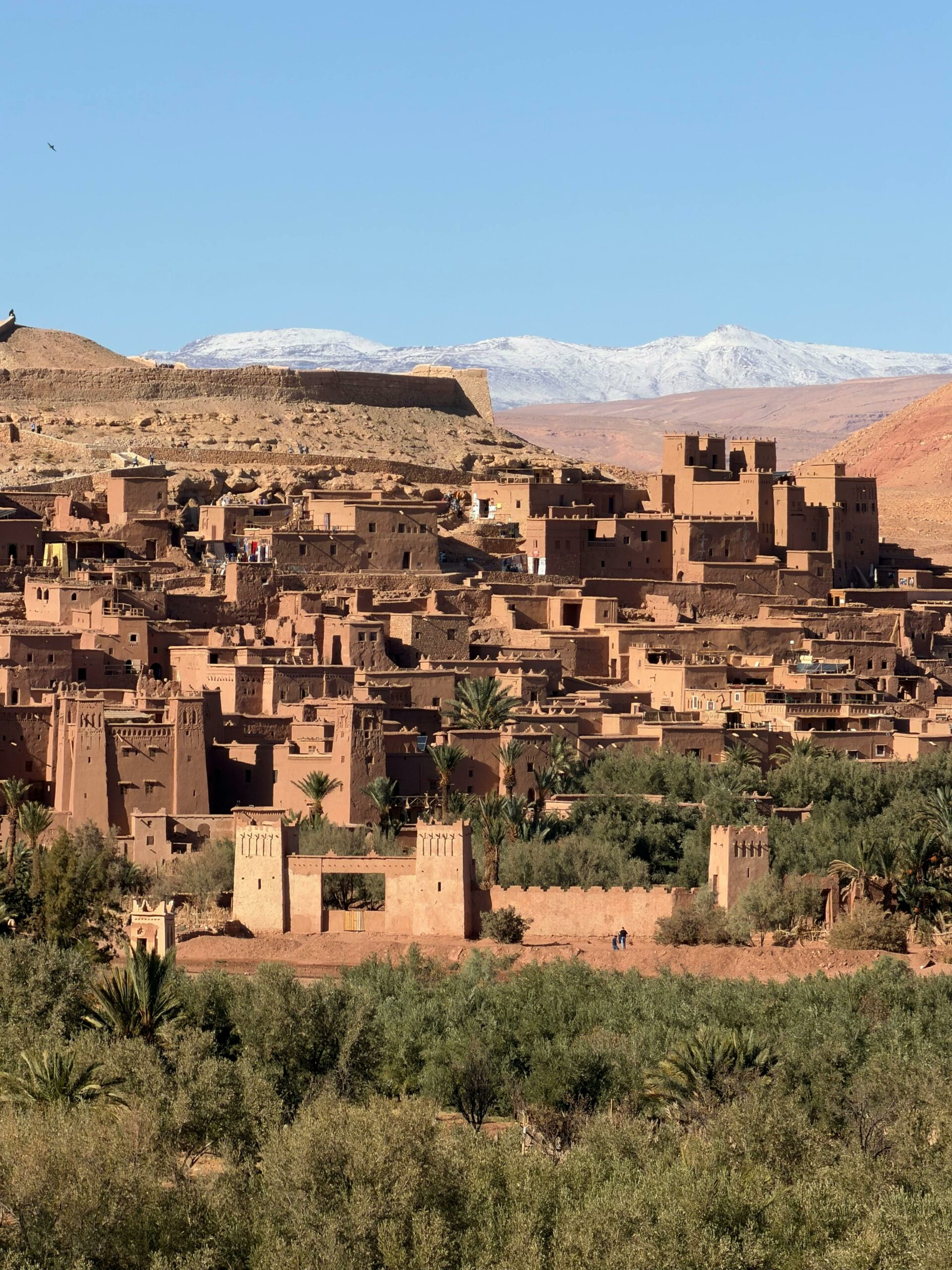
Aït Benhaddou is arguably Morocco’s most photogenic kasbah, a UNESCO World Heritage site that has appeared in dozens of films including Lawrence of Arabia and Gladiator. Located at the edge of the Anti-Atlas, its towers of sun-dried earth rise from the valley floor in a way that feels genuinely prehistoric. While it has become a tourist attraction, an early morning or late afternoon visit — when the light is golden and the crowds have thinned — remains deeply moving.
Imlil functions as the main gateway to the High Atlas and has developed a small but characterful village infrastructure of guides, gîtes, and cafés without losing its mountain soul. Spend an evening on a rooftop watching the stars emerge above the ridgeline, and you’ll understand why many travelers extend their stay well beyond a single night.
Aroumd, Tachdirt, and Tacheddirt are smaller, quieter villages accessible on foot from Imlil. These communities offer homestay experiences that are both affordable and profoundly authentic. Sitting down to a family meal of harira, bread baked in a clay oven, and slow-cooked lamb with prunes gives you access to a warmth of hospitality that simply cannot be manufactured in a hotel.
A few cultural notes worth keeping in mind: always remove your shoes before entering a home, accept tea when offered (refusing can cause offence), ask permission before photographing people, and dress modestly — covered shoulders and knees are appropriate in village settings. Berber culture is generous and welcoming, and a little cultural awareness goes a very long way toward a meaningful exchange.
How to Get to the Atlas Mountains Morocco from Marrakech
The Atlas Mountains Morocco are remarkably accessible from Marrakech, which makes them a practical addition to almost any Morocco itinerary.
By rental car: This is the most flexible option for exploring the Atlas Mountains Morocco. Imlil is approximately 60km from Marrakech and takes about 75–90 minutes on a good road (Route 203) that winds through the foothills. A 4WD is not strictly necessary for the main road to Imlil, but becomes useful for more remote valleys. Parking in Imlil is straightforward and inexpensive.
By grand taxi: Shared grand taxis (large Mercedes saloon cars that take up to six passengers) run frequently from Marrakech’s Bab Rob taxi stand toward the Atlas foothills. You’ll typically take one taxi to the town of Asni and transfer to a second for the final stretch to Imlil. The whole journey costs very little and is a genuinely local experience — though departure times are flexible and comfort is basic.
By private transfer: Many riads and hotels in Marrakech arrange private transfers to Imlil. This costs more but offers door-to-door service, a fixed departure time, and the option of an English-speaking driver who can point out landmarks en route.
Day trip vs. overnight: A day trip from Marrakech to the Atlas Mountains Morocco is possible, but it shortchanges the experience significantly. The mountains reveal themselves slowly — the quality of light at dusk, the silence after the day hikers leave, the morning mist in the valleys. If your schedule allows even one overnight stay in the mountains, take it. You will not regret it.
Where to Stay in the Atlas Mountains morocco: Riads, Lodges & Gîtes
Accommodation in the Atlas Mountains Morocco ranges from simple to surprisingly luxurious, and every tier of the market offers something worth considering.
Budget — Mountain Gîtes & Homestays: Traditional Berber gîtes are the backbone of Atlas Mountains Morocco accommodation. These family-run guesthouses typically offer dormitory or private rooms with basic furnishings, communal bathrooms, and home-cooked meals included in the price. The quality varies, but the experience of staying with a local family — hearing the call to prayer echo off the valley walls, eating bread fresh from a clay oven — is worth any small discomfort. Expect to pay between 150–300 MAD (roughly £12–£25) per person per night including dinner and breakfast.
Mid-range — Boutique Lodges & Eco-Riads: Several well-designed boutique properties have opened in the Imlil area and the Ourika Valley, offering private en-suite rooms, terraced gardens, and curated local experiences. Properties like Kasbah du Toubkal in Imlil — a converted kasbah with extraordinary mountain views and a strong community ethos — represent this tier perfectly. Prices typically range from £60–£140 per night.
Luxury — High Atlas Retreats: For travelers who want the Atlas Mountains Morocco experience without sacrificing comfort, a small number of genuinely luxurious retreats have opened in the Atlas foothills. These properties combine traditional Moroccan architecture — zellige tiles, carved cedar ceilings, open fireplaces — with high-quality beds, excellent food, and spa facilities. They’re ideal as a base for day hikes, with the option of returning to a hot hammam and a glass of fresh juice at the end of the day.
Regardless of where you stay, book in advance during spring and autumn, particularly on weekends when Marrakech-based travelers fill the mountain lodges quickly.
Essential Packing List & Travel Tips for Atlas Mountains Morocco
Packing well for the Atlas Mountains Morocco means preparing for a surprisingly wide range of conditions, sometimes within a single day.
Clothing & Layers: Temperatures can swing from 25°C at midday to below 5°C after sunset, particularly at altitude. Bring a good mid-layer fleece, a waterproof outer shell, moisture-wicking base layers, and a warm hat and gloves even in summer if you’re heading above 3,000m. Comfortable, worn-in hiking boots with ankle support are essential — trail runners are fine for valley walks but inadequate for the Toubkal ascent.
Sun Protection: The UV index at altitude in Morocco is serious. Factor 50+ sunscreen, UV-blocking sunglasses, and a wide-brimmed hat or cap are non-negotiable, not optional extras.
Trekking Gear: Trekking poles significantly reduce knee strain on the steep descents. A 2–3 litre hydration system or water bottles are essential — water sources exist on the trails but should always be purified. A basic first aid kit with blister plasters, ibuprofen, and rehydration sachets covers most eventualities.
Safety & Practical Considerations: Mobile signal is limited but improving in the main Atlas Mountains Morocco valleys. Maroc Telecom (IAM) tends to have the best coverage — a local SIM is worth purchasing in Marrakech. For any serious trekking above 3,000m, hiring a licensed guide from the Bureau des Guides in Imlil is strongly recommended. Not only does a local guide add safety and navigational reliability, but they bring cultural depth and storytelling that genuinely elevates the experience.
Currency & Payments: The Atlas Mountains Morocco operate almost entirely on cash. ATMs are available in Marrakech but largely absent in the mountains. Bring sufficient Moroccan Dirhams (MAD) before leaving the city.
Cultural Dress Code: While the trails themselves are relaxed, entering villages and gîtes warrants modest dress — covered shoulders and knees for both men and women. Carrying a lightweight scarf is a versatile and respectful solution.
The Atlas Mountains morocco are not merely a backdrop to Morocco — they are, in many ways, the country’s most honest face. Here, the pace slows to a rhythm set by seasons, harvests, and the ancient trails that wind between villages unchanged for generations. Whether you summit Toubkal at dawn and watch the Sahara glow pink below you, share a pot of tea in a Berber gîte as the stars appear above a silent valley, or simply sit beside the Ourika River with a bowl of harira and nowhere urgent to be — the Atlas Mountains have a way of stripping back the noise and returning you to something essential.
For travelers willing to venture just a little beyond the medina walls, the Atlas Mountains offer a Morocco that stays with you long after you’ve returned home. Plan well, travel with curiosity, and give the mountains more time than you think you need. They will use every hour of it wisely.
Your Morocco adventure starts here
From the Atlas Mountains Morocco to the Sahara Desert, Ideal Tour Morocco crafts personalised tours built around how you travel — not the other way around. Expert local guides, handpicked stays, and zero hidden fees.
Is it safe to visit the Atlas Mountains in Morocco?
Yes, the Atlas Mountains are considered very safe for travelers. The local Berber communities are welcoming and tourist-friendly. For high-altitude treks above 3,000m — especially Toubkal — hiring a licensed guide from the Bureau des Guides in Imlil is strongly recommended for safety and navigation. As with any mountain environment, weather can change quickly, so always check conditions before heading out.
Do I need a guide to hike in the Atlas Mountains morocco?
A guide is not legally required for lower valley walks and day hikes around Imlil or the Ourika Valley. However, for the Toubkal summit and any multi-day trek in remote areas, hiring a licensed local guide is strongly advised. Beyond safety, a good Berber guide adds cultural storytelling and local knowledge that dramatically enriches the experience.
How long does it take to climb Mount Toubkal?
The standard Toubkal trek is a two-day round trip. Day one involves a 5–6 hour walk from Imlil to the Toubkal Refuge (3,207m), where you overnight. Day two begins before dawn for the 4–6 hour summit push, followed by a descent back to Imlil. Fit hikers with good acclimatization can complete it in two days comfortably; those more cautious about altitude should build in an extra acclimatization day.
What is the best base for exploring the Atlas Mountains?
Imlil is the most popular and practical base for High Atlas exploration. It sits at 1,740m, has a good range of gîtes, guides, and cafés, and sits directly at the trailhead for Toubkal and several other key routes. For a quieter and more scenic base, the village of Aroumd above Imlil is an excellent alternative. For the Ourika Valley, the town of Setti Fatma serves as the main hub.
Can I visit the Atlas Mountains Morocco as a day trip from Marrakech?
Yes, a day trip is possible — Imlil is about 60–90 minutes by car from Marrakech. However, a day trip only scratches the surface. Even one overnight stay in the mountains changes the experience entirely, giving you access to the stillness of the evenings, the quality of the morning light, and the genuine hospitality of a gîte dinner. If your schedule allows it, stay at least one night.
What should I wear and pack for the Atlas Mountains morocco ?
Layering is essential. Even in summer, temperatures drop significantly after sunset and at altitude. Pack a fleece mid-layer, a waterproof jacket, moisture-wicking base layers, and a warm hat and gloves for higher elevations. Sturdy hiking boots with ankle support are a must for any serious trekking. Sunscreen (SPF 50+), sunglasses, a wide-brimmed hat, and at least two litres of water capacity round out the essentials. Modest dress — covered shoulders and knees — is respectful when passing through villages.
Is the Atlas Mountains morocco trip suitable for families with children?
Absolutely. The Ourika Valley and the lower trails around Imlil are ideal for families. The walk to Setti Fatma waterfalls is a popular family outing that involves a short, manageable scramble. Children generally love the mule rides available in Imlil and the novelty of staying in a mountain gîte. The Toubkal summit is not appropriate for young children, but there is no shortage of rewarding, lower-altitude routes that the whole family can enjoy together.