
Moroccan Cooking Class in Marrakech: The Ultimate Guide to an Authentic Culinary Experience
If you’re planning a trip to Marrakech and wondering how to go beyond the typical tourist trail, a Moroccan cooking class might just be the most rewarding experience you’ll book. Forget scrolling through menus at a rooftop restaurant — imagine standing in a sun-drenched riad courtyard, surrounded by the scent of cumin, saffron, and rose water, learning how to craft a slow-cooked tagine from scratch. A cooking class in Marrakech doesn’t just teach you how to cook — it opens a window into a culture that has been perfecting its culinary traditions for centuries.
Marrakech sits at the heart of Morocco’s rich gastronomic identity. Its bustling souks overflow with pyramid-shaped spice mounds, dried fruits, preserved lemons, and argan oil. Its medina, a UNESCO World Heritage Site, hides centuries-old recipes within the walls of its riads and family homes. Choosing to take a cooking class here means choosing to engage with Moroccan culture at its most intimate and delicious level.
This guide covers everything you need to know — from what you’ll cook and what to expect, to how to choose the right class and make the most of your time in the city’s legendary spice markets.
Why a Moroccan Cooking Class in Marrakech Is the Ultimate Travel Experience
Travel has a way of becoming forgettable the moment you return home. Hotel rooms blur together. Sightseeing check-boxes fade. But the memory of creating something with your own hands — learning a skill from someone who has cooked the same dish for thirty years — that tends to stick.
A Moroccan cooking class in Marrakech offers exactly that kind of lasting impression. Unlike a restaurant meal where you simply consume, a cooking class invites you to participate. You become part of the story, not just a spectator of it.
Morocco’s food culture is deeply rooted in hospitality. The Arabic concept of difaa — the sacred duty of welcoming guests — is woven into every meal. When a Moroccan host invites you into their kitchen, they are sharing something deeply personal. That cultural generosity is what makes cooking classes here feel so different from similar experiences in other parts of the world.
Beyond the cultural richness, Marrakech is simply one of the best places in the world to cook. The quality of local produce — fresh from the Mellah market or the souk stalls — is exceptional. Herbs are fragrant and abundant. Spices are layered and complex. And the city’s architecture provides a backdrop that no cooking school in the world can replicate: tiled courtyards, hand-painted pottery, cedar wood ceilings, and the distant call of the muezzin drifting over rooftop terraces.
For solo travelers, it’s a natural way to meet people. For couples, it’s one of the most romantic activities the city offers. For families, it’s educational, hands-on, and genuinely fun. Whatever your reason for visiting Marrakech, a cooking class belongs on your itinerary.
What You'll Learn: Traditional Moroccan Dishes and Cooking Techniques
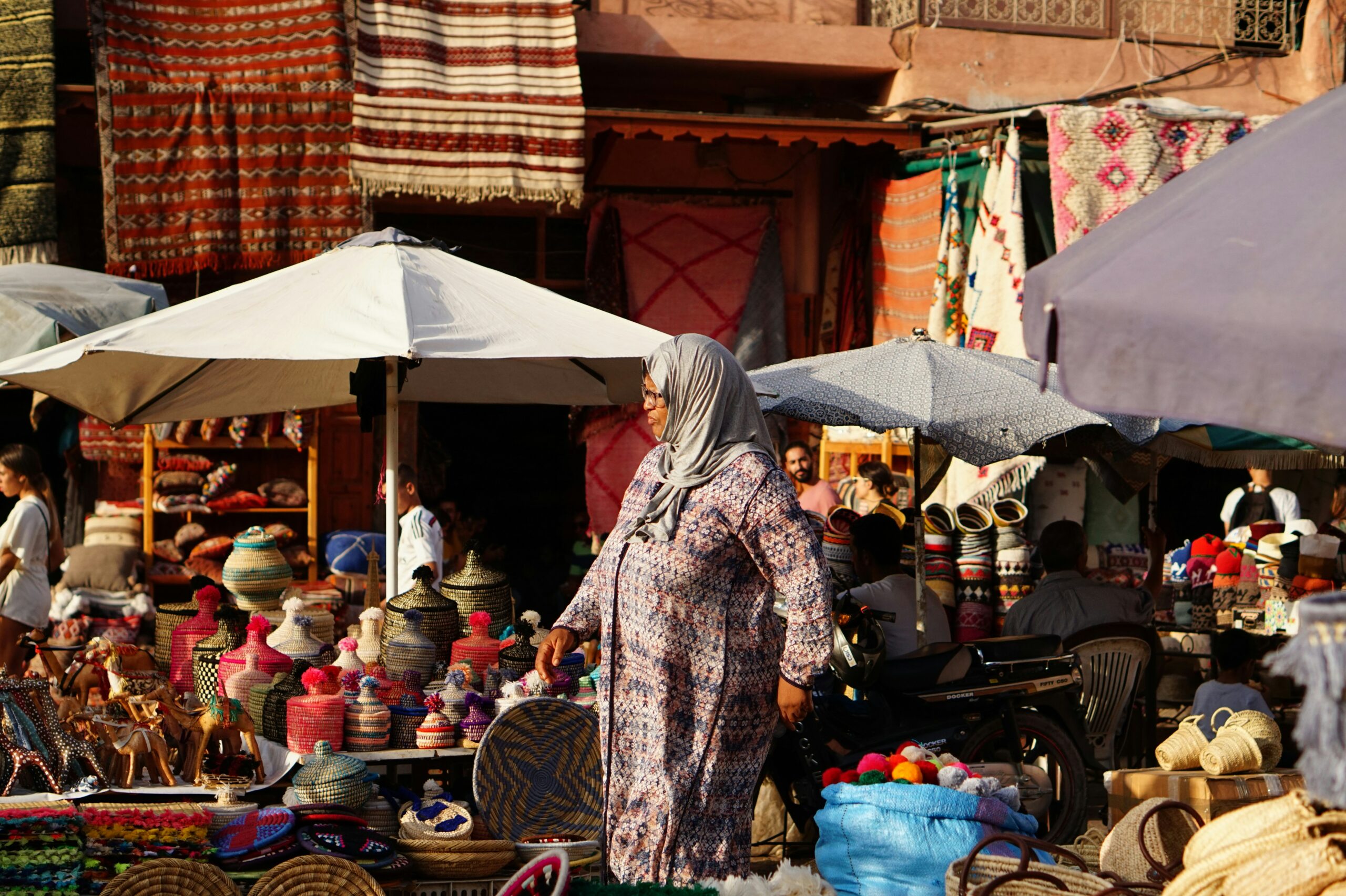
The first thing most visitors discover is that Moroccan cuisine is far more nuanced than they expected. Yes, there is tagine. But the word “tagine” is really just the beginning of a very long conversation.
Signature dishes you’re likely to prepare:
Most Marrakech cooking classes are structured around two to four dishes, giving you enough time to understand each one properly rather than rushing through a dozen recipes. Common dishes include:
- Chicken tagine with preserved lemons and olives — Morocco’s most iconic slow-cooked dish, fragrant with ginger, turmeric, and coriander
- Lamb tagine with prunes and almonds — a sweet and savory combination that showcases the North African tradition of merging fruit with meat
- Couscous with seven vegetables — the dish Moroccan families eat every Friday after mosque, steamed in a couscoussier for a light, fluffy texture
- Pastilla (B’stilla) — a flaky warqa pastry filled with spiced pigeon or chicken, dusted with cinnamon and powdered sugar, a true test of technique
- Harira soup — a hearty tomato and lentil soup, particularly beloved during Ramadan
- Moroccan salads — zaalouk (smoky aubergine), taktouka (tomato and pepper), and carrot salads dressed with cumin and lemon
- Moroccan mint tea — poured from height to create froth, with the ritual of preparation being as important as the result
Techniques that will transform your home cooking:
Beyond recipes, a good cooking class teaches transferable skills. You’ll learn how to build a chermoula marinade layer by layer, allowing heat and time to develop depth rather than simply adding everything at once. You’ll understand why Moroccan cooks bloom their spices in warm oil before any liquid touches the pan. You’ll master the art of sealing a tagine with a dough strip to trap steam — a technique that keeps meat fall-apart tender without drying out.
Spice blending is a lesson in itself. Ras el hanout, Morocco’s most complex spice mix, can contain anywhere from 10 to 30 different ingredients depending on the region and the cook. Your instructor will likely have their own family version, passed down through generations, and sharing it with you is an act of genuine trust.
Inside the Experience: What to Expect From a Marrakech Cooking Class
Knowing what a typical day looks like helps you arrive calm, curious, and ready to enjoy every moment of it.
Morning: The souk market visit
Most full-day cooking classes begin early — around 9 or 10am — with a guided tour of the medina’s food markets. This is where the real education starts. Your instructor (or a local guide accompanying the group) will walk you through the spice souk, the olive stalls, the butcher quarter, and the herb sellers. You’ll shop for the morning’s ingredients together, learning how to select the right cut of meat, how to smell for freshness in spices, and how to choose the ripest tomatoes for sauce.
This market visit is not a tourist performance. You are shopping in the same places where Marrakchi families have sourced their food for generations. It is vivid, fragrant, and occasionally chaotic in the best possible way.
Midday: Cooking in the riad
After the market, the class moves to the cooking space — usually a beautifully restored riad with a traditional kitchen or a shaded courtyard. Class sizes vary, but most Marrakech classes keep groups small: between two and ten people. This means you get proper hands-on time rather than watching someone else do everything.
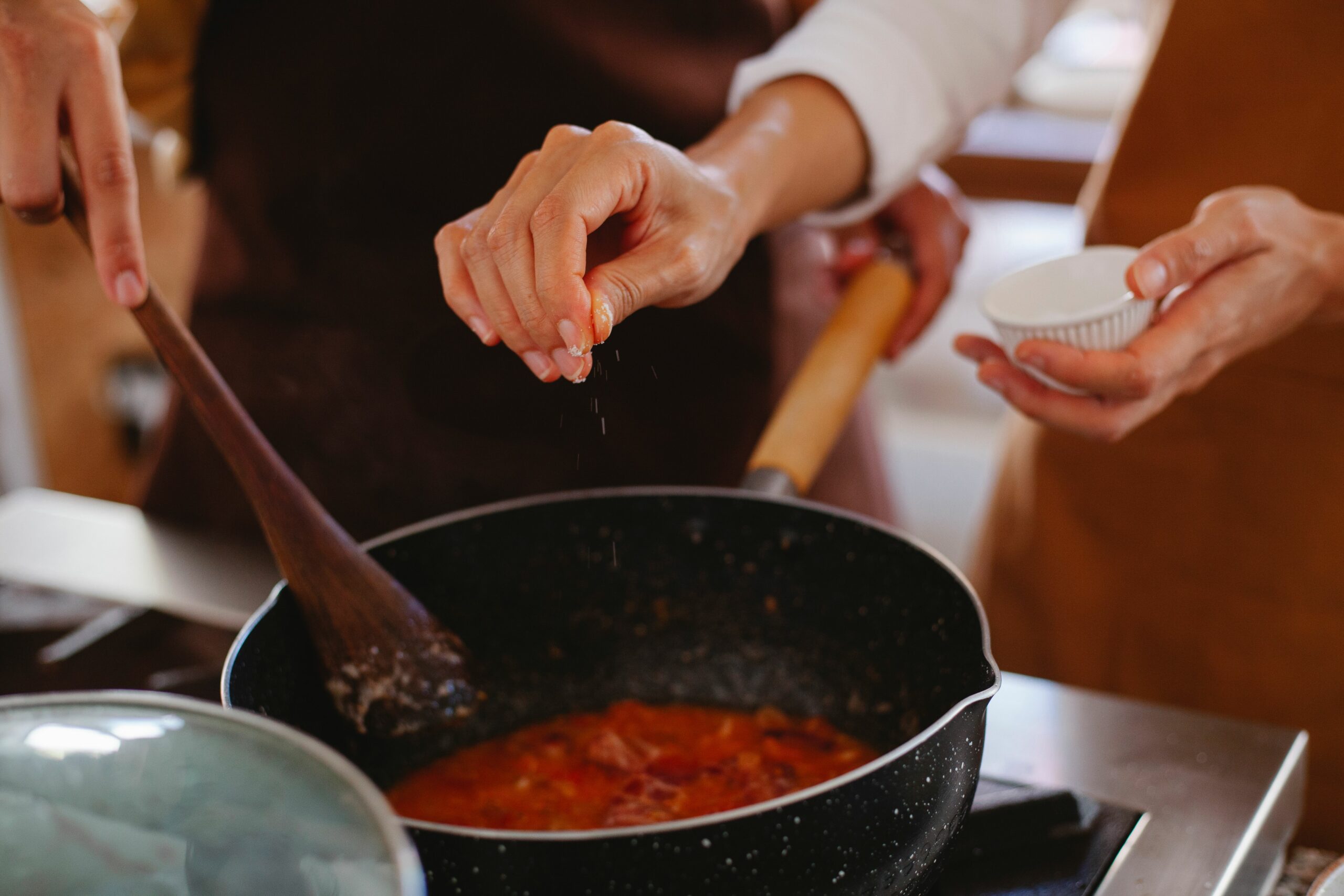
A good instructor balances demonstration with participation. They’ll show you a technique, then step back and let you try it. They’ll correct your knife grip without making you feel embarrassed. They’ll explain the “why” behind each step, not just the “what.” You’ll chop, marinate, season, fold pastry, and stir sauce — all while asking questions and learning the stories behind each dish.
Afternoon: Sitting down to eat together
The best part. After two to three hours of cooking, you sit down to eat everything you’ve made. This communal meal — often on a rooftop terrace, in a tiled courtyard, or in an elegant dining room — is where the magic of the day settles in. Mint tea is poured. Bread is broken. And you realize that the tagine you thought you might ruin actually tastes extraordinary.
Many classes include a recipe booklet you take home, so you can recreate the dishes for friends and family long after the trip ends.
How to Choose the Best Moroccan Cooking Class in Marrakech
With dozens of options available in Marrakech — from budget group sessions to private luxury experiences — knowing what to look for makes all the difference.
Private vs. group classes
Group classes (typically 4–12 people) are sociable, lively, and more affordable, usually ranging from €35–€65 per person. They’re ideal if you’re a solo traveler looking to meet people, or if you want the energy of a shared experience. Private classes cost more (often €80–€150 per person) but offer a fully personalized curriculum, flexible timing, and undivided attention from your instructor. For couples or families, the per-person price difference is often worth it.
Riad-based vs. local home classes
Riad-based classes take place in beautifully decorated traditional houses, often with professional kitchen setups and polished presentation. Local home classes offer something rawer and arguably more authentic — you’re cooking in someone’s actual family kitchen, which is messier, more personal, and often more memorable. Both are valid; the choice depends on what kind of experience resonates with you.
Dietary requirements
Moroccan cuisine is naturally generous when it comes to dietary adaptations. Most classes can accommodate vegetarians and vegans with ease — the vegetable tagine and couscous dishes are outstanding on their own. Gluten-free adaptations are also possible in most cases. Always communicate requirements at the time of booking, not on the day.
What to look for when booking:
- Certified or experienced instructor — look for classes run by trained chefs or experienced home cooks with strong reviews
- Market visit included — this is a non-negotiable sign of a quality experience
- Small group size — avoid anything over 12 people if you want actual hands-on participation
- Recipe booklet provided — a marker of a well-organized, thoughtful operation
- Genuine reviews — check both Google and TripAdvisor; look for specificity in reviews (“we made three dishes and ate on the rooftop”) rather than vague praise
The Marrakech Spice Souk: Your Culinary Adventure Starts at the Market
No cooking class experience in Marrakech is complete without time in the spice souk, and no travel experience in Marrakech is complete without understanding what you’re actually looking at when you walk through it.
The spice souk is located in the heart of the medina, just north of the Jemaa el-Fna square. It’s a labyrinthine network of narrow lanes where vendors display their goods in vivid pyramidal mounds — turmeric the color of sunlight, paprika ranging from coral to deep red, pale cumin, dusty cinnamon sticks, and dried rose petals that perfume the air around them.
Spices worth buying to take home:
- Ras el hanout — buy it from a spice merchant who blends it in-house; avoid the pre-packaged tourist versions
- Argan oil — both culinary (toasted, nutty) and cosmetic varieties are widely available; the culinary version is extraordinary on bread
- Preserved lemons (hamad m’rakad) — jars of salt-cured lemons that transform chicken, fish, and salad dressings
- Cumin — Moroccan cumin has a deeper, earthier flavor than most imported varieties
- Dried rose petals and orange blossom water — essential for Moroccan desserts and tea culture
Navigating the souk smartly:
Arriving with a cooking class guide is the easiest introduction to the souk, as they’ll take you to trusted vendors and explain what you’re seeing. If you venture in independently afterward, keep a few things in mind: the first price quoted is rarely the final price, so gentle negotiation is expected and welcomed. Don’t feel pressured — Moroccan vendors are experienced salespeople, but they also genuinely respect a customer who knows what they want. Smile, take your time, and enjoy the theatre of it.
The medina’s market around Mellah (the old Jewish quarter) and the Rahba Kedima square are also worth exploring for produce, dried fruits, and local ceramics that make beautiful gifts.
Tips for Getting the Most Out of Your Moroccan Cooking Class
A few practical details go a long way toward making the experience seamless and deeply enjoyable.
When to book:
Marrakech is a year-round destination, but the most comfortable cooking seasons are spring (March–May) and autumn (September–November), when temperatures are moderate and the markets are at their most abundant. Summer (June–August) is hot — very hot — which makes early-morning market visits particularly important. December and January can be surprisingly cold, especially in open riad courtyards, so factor that in.
During Ramadan, the rhythms of the city shift significantly. Markets open later, vendors may be fasting, and some cooking class operators adjust their schedules. However, experiencing Marrakech during Ramadan is genuinely special — the nighttime atmosphere after iftar (the breaking of the fast) is unlike anything else in Morocco. Check with your class operator about their Ramadan policies.
What to wear and bring:
- Comfortable, modest clothing — loose trousers and a light top are ideal; avoid shorts and sleeveless tops in the medina markets out of respect
- Closed-toe shoes for the market visit (the souk’s narrow lanes can be slippery)
- A small daypack for shopping at the souk
- Your camera or phone — the visual details of Moroccan kitchens, spice stalls, and riad courtyards are extraordinary
- An appetite — leave the big hotel breakfast for another day
Booking tips:
- Book at least 3–5 days in advance, especially in peak season (March–May, October–November)
- Most reputable operators are bookable through their own websites, Airbnb Experiences, or GetYourGuide
- Confirm the meeting point clearly — riad addresses in the medina can be confusing to navigate for first-time visitors
- Ask about cancellation policies before you pay
Combining with other experiences:
A cooking class pairs beautifully with a traditional hammam (steam bath) for a full sensory day in Marrakech. Book the hammam for late afternoon after the cooking class ends, then spend the evening at Jemaa el-Fna watching the square come alive with food stalls, musicians, and storytellers.
Bring Morocco Home: Recreating Authentic Recipes After Your Class
The most practical souvenir you can take from a Marrakech cooking class isn’t a tagine pot or a bag of spices — though both are excellent choices. It’s the knowledge and confidence to recreate Moroccan dishes in your own kitchen.
Once you’re home, the recipes you learned feel different. You understand why the chicken needs to marinate overnight. You know which spices to add first and which go in at the end. You’ve tasted what a tagine is supposed to taste like when it’s made with care and patience, so you have a benchmark to aim for.
Building your Moroccan pantry at home:
Start with the essentials: a good ras el hanout blend (seek out a specialty food shop or order from a reputable Moroccan supplier), preserved lemons (you can make your own with salt and Meyer lemons over three weeks), saffron, cumin, turmeric, sweet paprika, and cinnamon. A bottle of good argan oil is worth every penny.
For equipment, a heavy-based casserole dish works as a tagine substitute if you don’t own the real thing. A couscoussier can be replicated with a steamer basket over a pot of lightly salted water.
The bigger takeaway:
More than any recipe or technique, a Moroccan cooking class teaches you that great food is fundamentally an act of generosity. Moroccan cooks don’t rush. They taste constantly. They adjust. They cook with the expectation that someone they care about will be eating the result. Bringing that spirit home with you — into your own kitchen, at your own pace — might be the most valuable thing you carry back from Marrakech.
A Moroccan cooking class in Marrakech is more than a travel activity — it’s a fully immersive cultural experience that engages every sense, builds genuine skill, and leaves you with memories that outlast any souvenir. Whether you’re a passionate home cook or someone who barely boils an egg, the warmth, depth, and extraordinary flavors of Moroccan cuisine have a way of making everyone feel welcome in the kitchen. Book early, come hungry, and be ready to leave with far more than just a recipe booklet.
1.Do I need cooking experience to join a Moroccan cooking class in Marrakech?
Not at all. The vast majority of cooking classes in Marrakech are designed to welcome complete beginners alongside experienced home cooks. Instructors tailor their guidance to the group’s skill level, and the recipes are structured to be approachable without being dumbed down. You don’t need any prior experience — just a genuine curiosity and a good appetite.
2. How long does a typical Moroccan cooking class last?
Most full-experience classes last between 3.5 and 5 hours, including the souk market visit, the cooking session, and the shared meal at the end. Shorter “kitchen-only” classes (without the market tour) typically run 2–3 hours. Half-day formats are the most popular and provide the best balance of depth and enjoyment.
3. What is the best area in Marrakech to find cooking classes?
The medina (old city) is where the majority of authentic cooking classes are based, and rightly so — it places you in the heart of Moroccan daily life. Look for classes based in or near the northern medina (around Mouassine or Bab Doukkala) or the Kasbah area for traditional riad settings. Most operators provide a meeting point or will arrange for someone to guide you to the riad from a recognizable landmark.
4. Can dietary restrictions be accommodated in a Moroccan cooking class?
Yes, in most cases. Moroccan cuisine lends itself naturally to vegetarian and vegan adaptations — the vegetable tagine with seven vegetables, lentil harira, and couscous dishes are all outstanding without meat. Halal meat is the norm in Morocco, which is relevant for Muslim travelers. Gluten-free options are possible, though less common for pastry-focused classes. Always disclose dietary needs at the time of booking so the class can be planned accordingly.
5. Is it safe to eat food prepared during the class?
Yes. Reputable Marrakech cooking class operators maintain clean, well-equipped kitchens and use fresh, high-quality ingredients sourced the same morning from local markets. The fresh herbs, vegetables, and proteins are all locally produced. Food safety standards in established cooking class operations are reliable. Reading recent reviews before booking is the best way to confirm you’re choosing a trustworthy operator.
6. How much does a Moroccan cooking class in Marrakech cost, and what's included?
Prices vary by format and operator. Budget group classes start around €30–€50 per person. Mid-range group classes that include a souk market visit typically run €50–€75. Private classes for two people range from €120 to €200+ depending on the riad and instructor. Most good-quality classes include the market visit, all ingredients, the cooking session, the shared meal, mint tea, and a recipe booklet to take home. Airport transfers, cooking aprons, and extra tastings are sometimes included in premium packages.
Ready to Discover the Real Morocco?
Whether you have a full itinerary in mind or just a dream and a travel date, our local team is here to make it happen. Real people, genuine expertise, no automated replies.