
Hiking the Atlas Mountains in Morocco: The Ultimate Complete Guide for an Unforgettable Trek
Morocco is often associated with bustling medinas, golden Sahara dunes, and vibrant coastal cities. However, beyond the famous landmarks lies one of North Africa’s most spectacular natural treasures: the Atlas Mountains. Stretching across the country from southwest to northeast, this vast mountain range offers dramatic landscapes, authentic cultural encounters, and some of the finest trekking opportunities on the African continent.
For travelers seeking adventure, nature, and cultural immersion, hiking the Atlas Mountains in Morocco is an experience unlike any other. Towering peaks, terraced valleys, remote Amazigh villages, and breathtaking panoramas create a journey that stays with visitors long after they return home.
Whether you are planning your first Moroccan trek or searching for the best hiking routes, this complete guide covers everything you need to know before setting foot on the trails.
Why Hiking the Atlas Mountains Should Be on Every Traveler's Bucket List
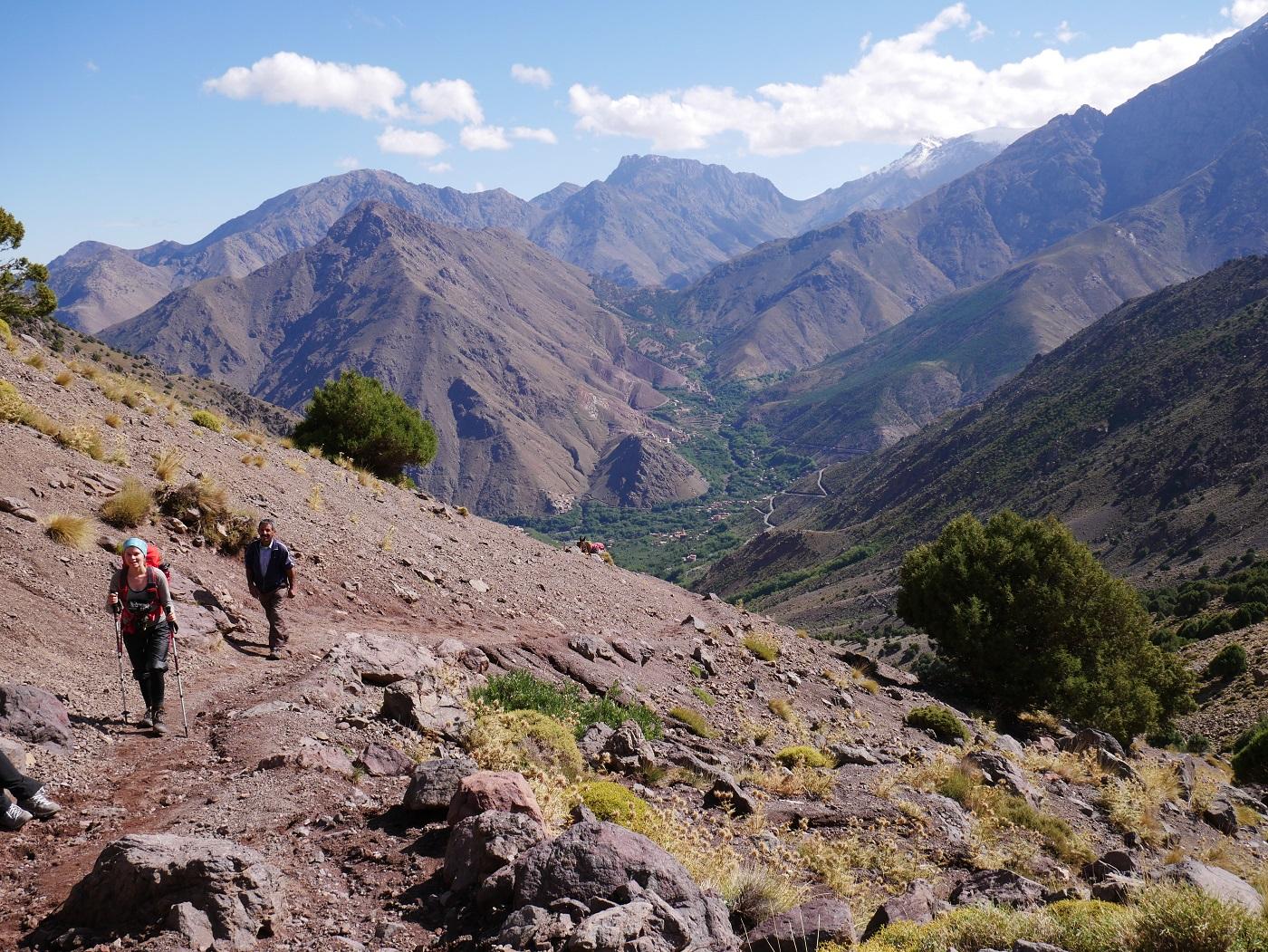
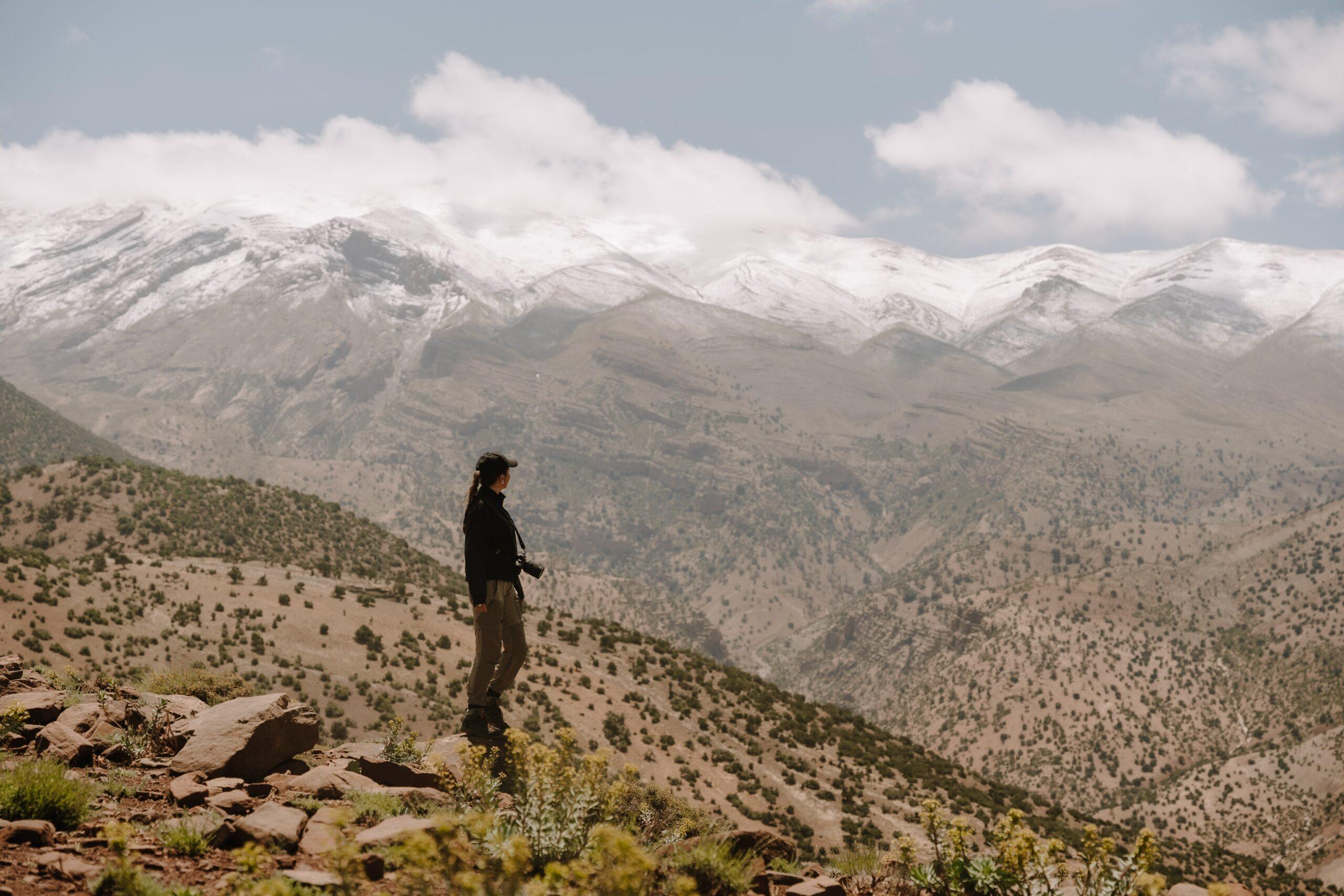
The Atlas Mountains form the backbone of Morocco’s interior. They separate the Atlantic and Mediterranean coastal regions from the Sahara Desert while creating an incredible diversity of ecosystems and landscapes.
Unlike many crowded trekking destinations around the world, the Atlas Mountains remain remarkably authentic. Here, hikers encounter ancient footpaths, traditional stone villages, and welcoming local communities whose way of life has changed little over generations.
Moreover, the mountains offer something for every type of traveler:
- Easy valley walks
- Multi-day trekking adventures
- High-altitude mountaineering
- Cultural village tours
- Scenic photography opportunities
- Wildlife observation
As a result, both beginners and experienced trekkers can find routes suited to their abilities.
Understanding the Atlas Mountains: A Quick Overview
Many visitors are surprised to learn that the Atlas Mountains are not a single range. Instead, they consist of several interconnected mountain systems stretching over 2,500 kilometers across Morocco, Algeria, and Tunisia.
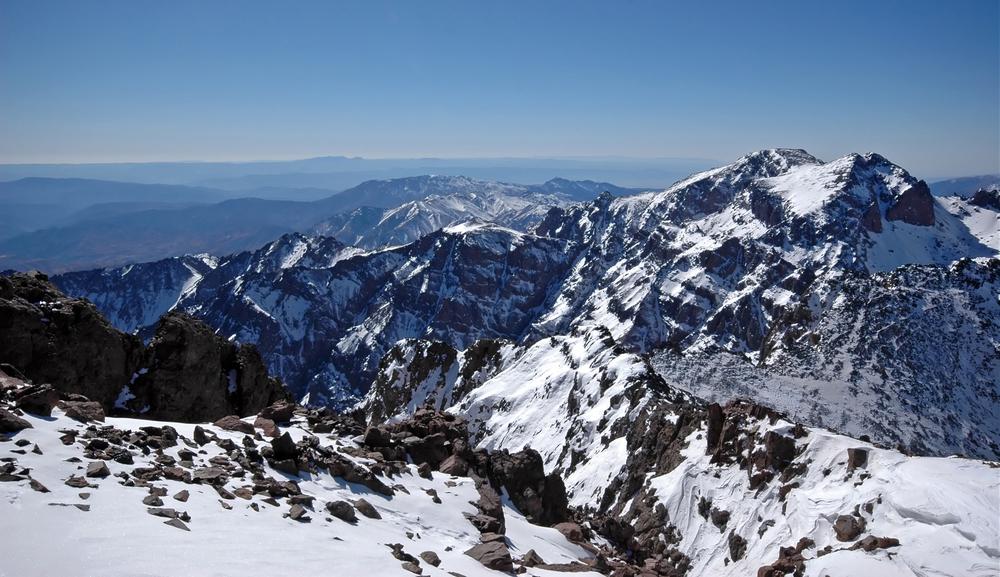
The High Atlas
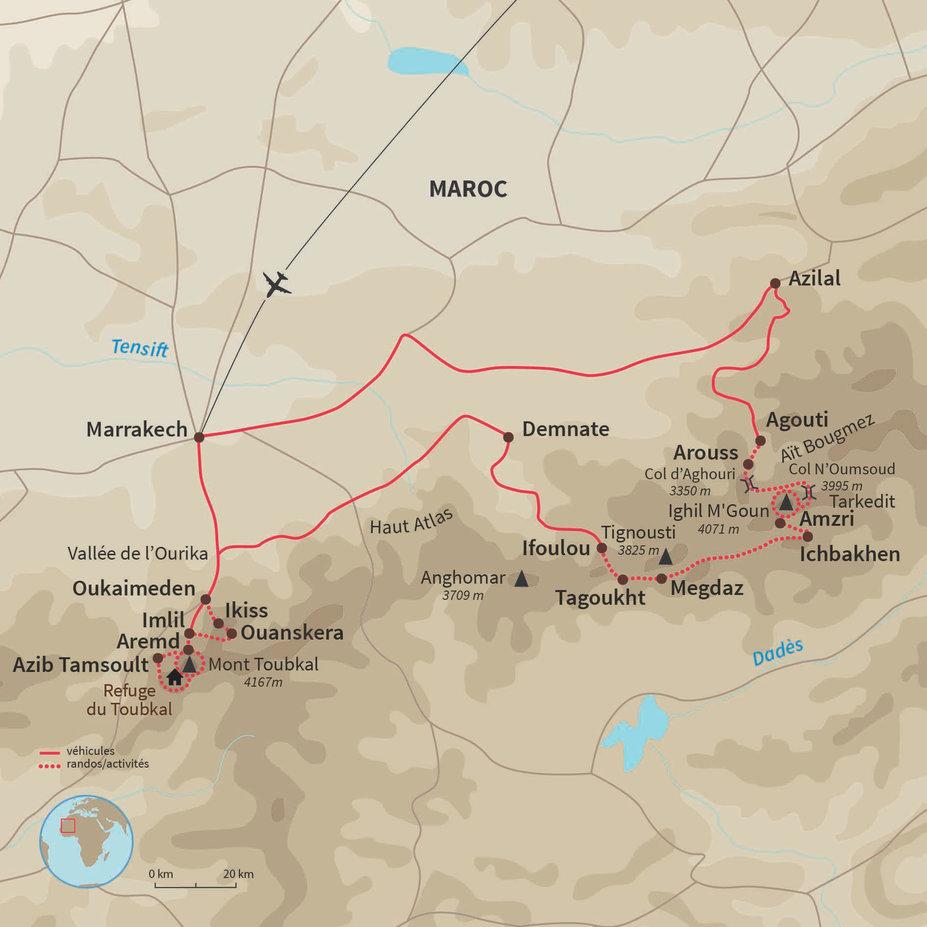
The High Atlas is Morocco’s most famous mountain region. It contains the country’s highest peaks, including the majestic Mount Toubkal.
This area features:
- Snow-capped summits
- Deep valleys
- Remote Amazigh settlements
- Dramatic gorges
- Alpine landscapes
Most trekking tours focus on this region due to its accessibility from Marrakech.
The Middle Atlas
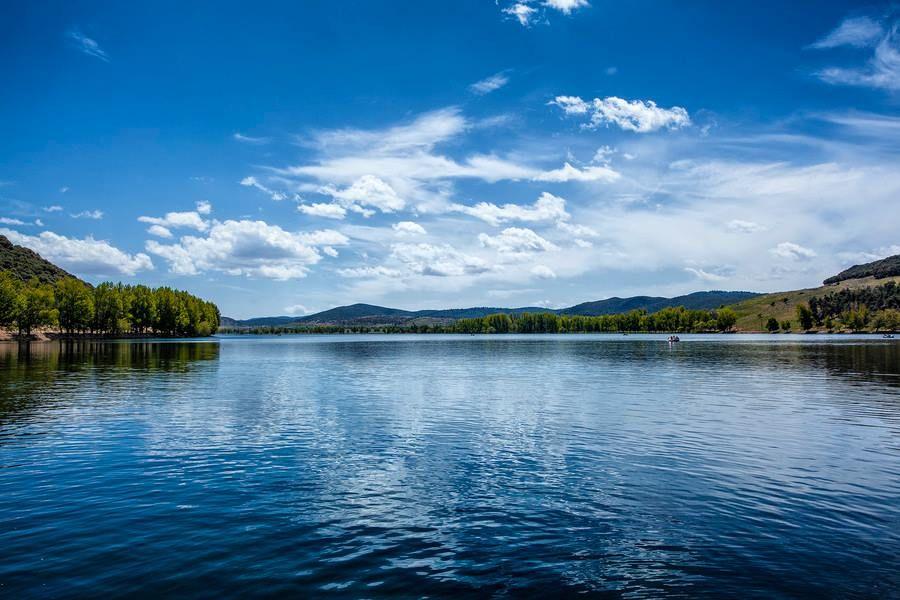
The Middle Atlas offers gentler terrain and lush forests.
Visitors often encounter:
- Cedar woodlands
- Lakes
- Waterfalls
- Barbary macaques
- Pleasant hiking trails
The scenery here differs significantly from the rugged High Atlas.
The Anti-Atlas
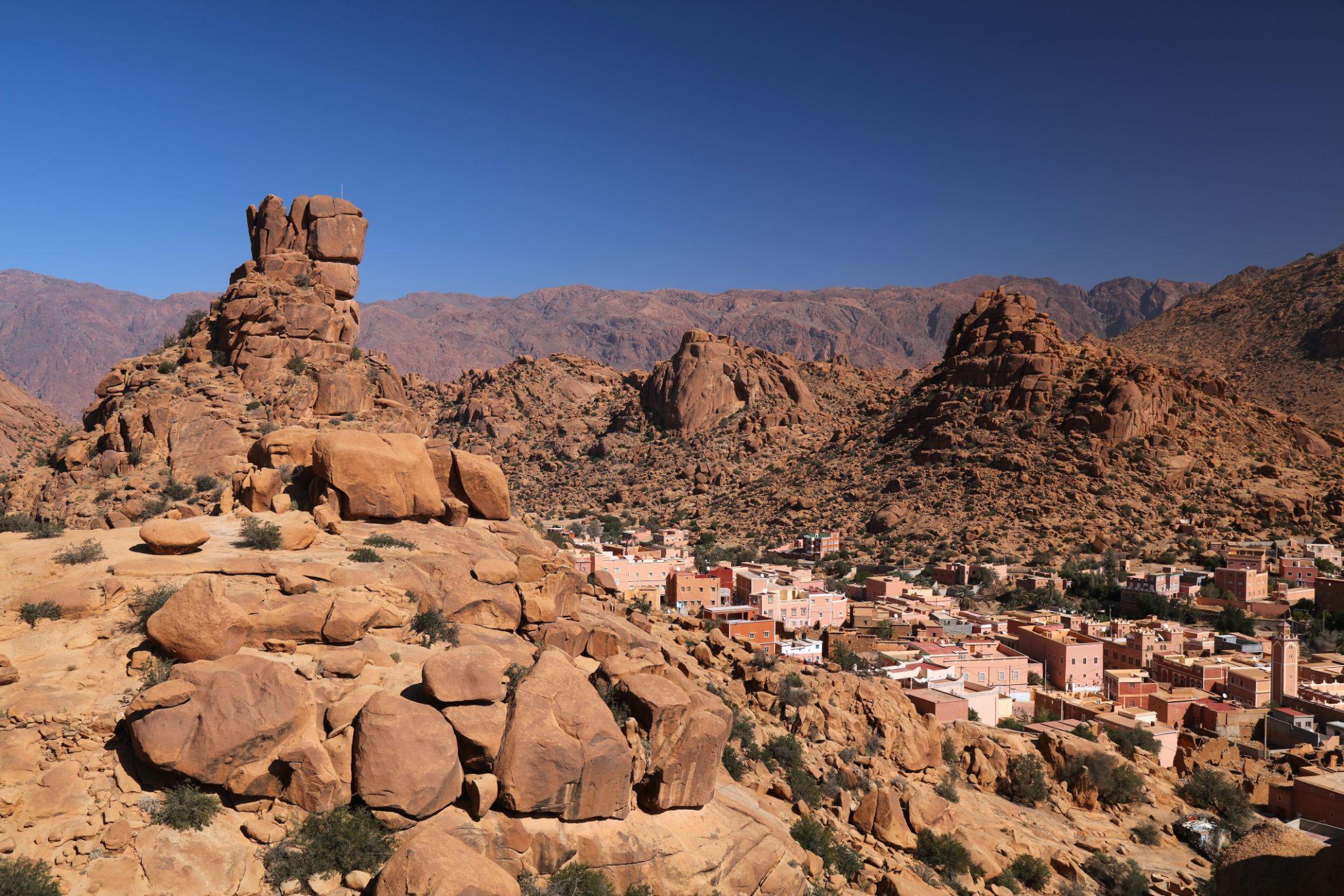
Located south of the High Atlas, the Anti-Atlas presents a drier and more desert-like environment.
Highlights include:
- Unique rock formations
- Ancient kasbahs
- Palm-filled oases
- Stunning desert panoramas
The Anti-Atlas is ideal for travelers looking for less crowded trekking routes.
Where to Start Your Atlas Mountains Adventure
For most travelers, Marrakech serves as the primary gateway to the Atlas Mountains.
Located just a short drive from the foothills, Marrakech allows easy access to many popular trekking areas. In fact, several mountain villages can be reached within one to two hours.
Popular starting points include:
Imlil
Imlil is widely considered the trekking capital of Morocco.
Situated at approximately 1,740 meters above sea level, this charming village serves as the starting point for Mount Toubkal expeditions and numerous valley hikes.
Visitors will find:
- Guesthouses
- Mountain guides
- Equipment rentals
- Traditional restaurants
- Trekking agencies
Ouirgane
Ouirgane offers a quieter alternative to Imlil.
Surrounded by olive groves and scenic hills, it is perfect for relaxed walking holidays and cultural experiences.
Ait Bouguemez
Often called the “Happy Valley,” Ait Bouguemez is one of the most beautiful trekking regions in Morocco.
Its fertile landscapes, traditional villages, and welcoming communities create a memorable hiking experience.
The Best Time for Hiking the Atlas Mountains in Morocco
Timing plays a crucial role in planning a successful trek.
Fortunately, the Atlas Mountains offer hiking opportunities throughout much of the year.
Spring (March to May)
Spring is arguably the most beautiful season.
During this period:
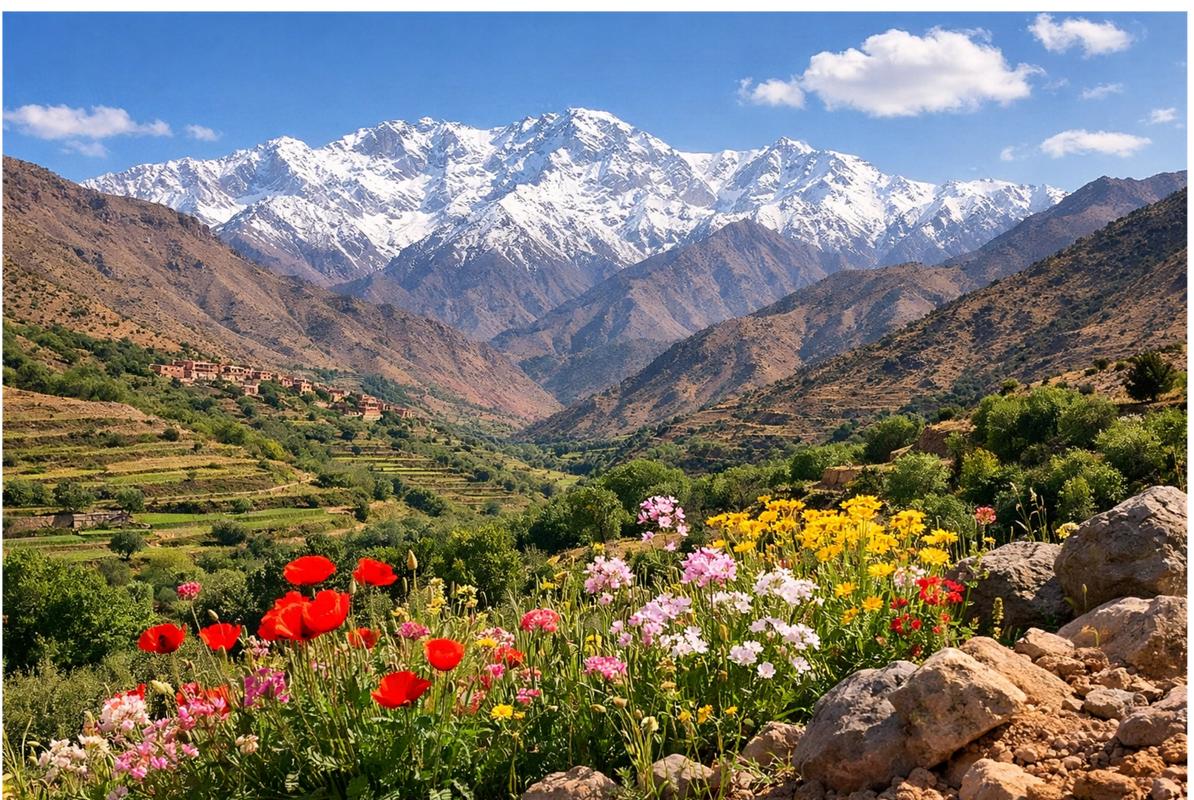
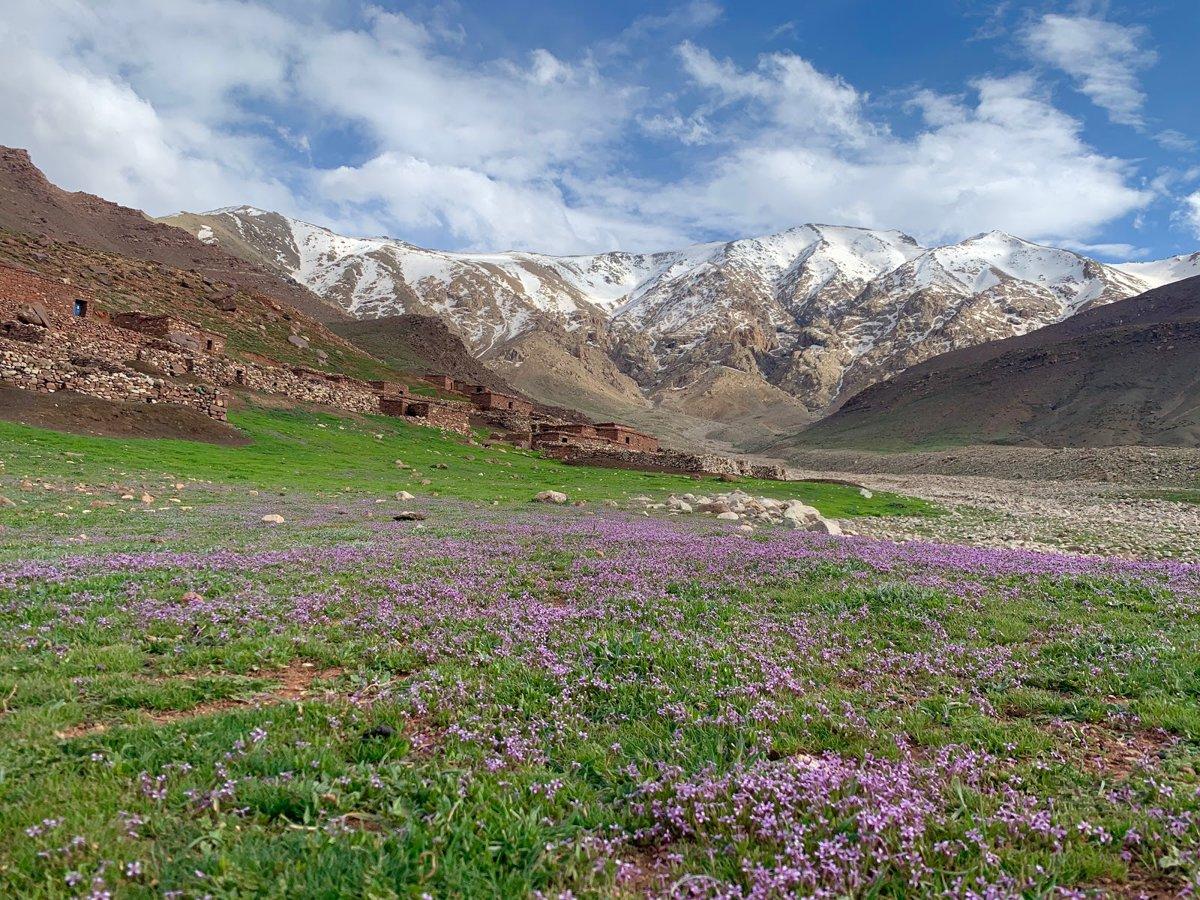
- Wildflowers bloom across valleys
- Temperatures remain comfortable
- Snow often decorates higher peaks
- Rivers flow strongly from melting snow
Many experienced hikers consider spring the ideal trekking season.
Summer (June to August)
Summer brings warm temperatures, especially at lower elevations.
However, higher-altitude treks remain enjoyable.
Trekkers should:
- Start early
- Carry extra water
- Avoid midday heat
Autumn (September to November)
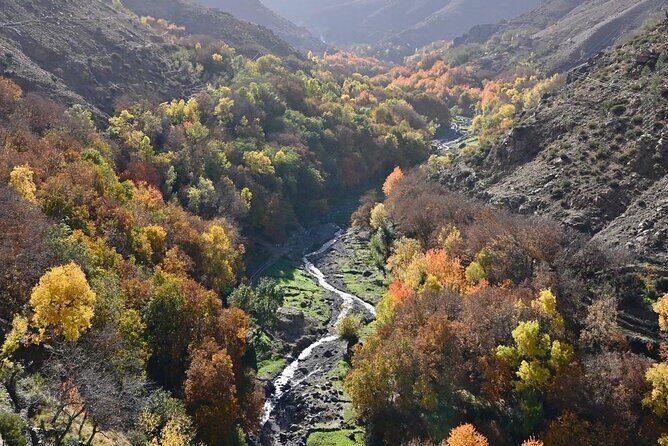
Autumn rivals spring as a prime hiking season.
The weather is generally stable, visibility is excellent, and temperatures remain pleasant.
Additionally, harvest activities in Amazigh villages provide fascinating cultural insights.
Winter (December to February)
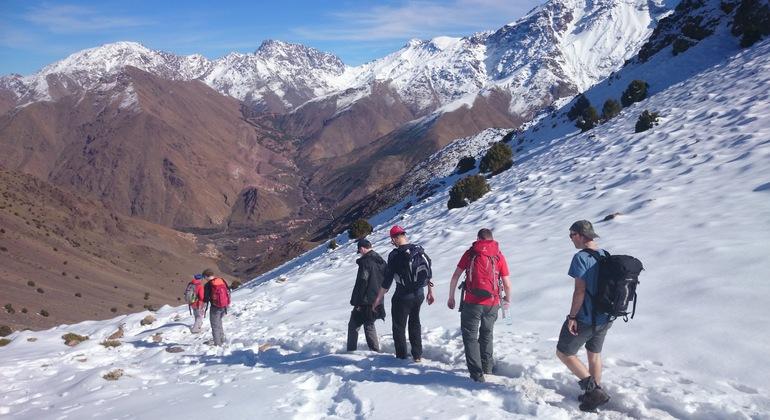
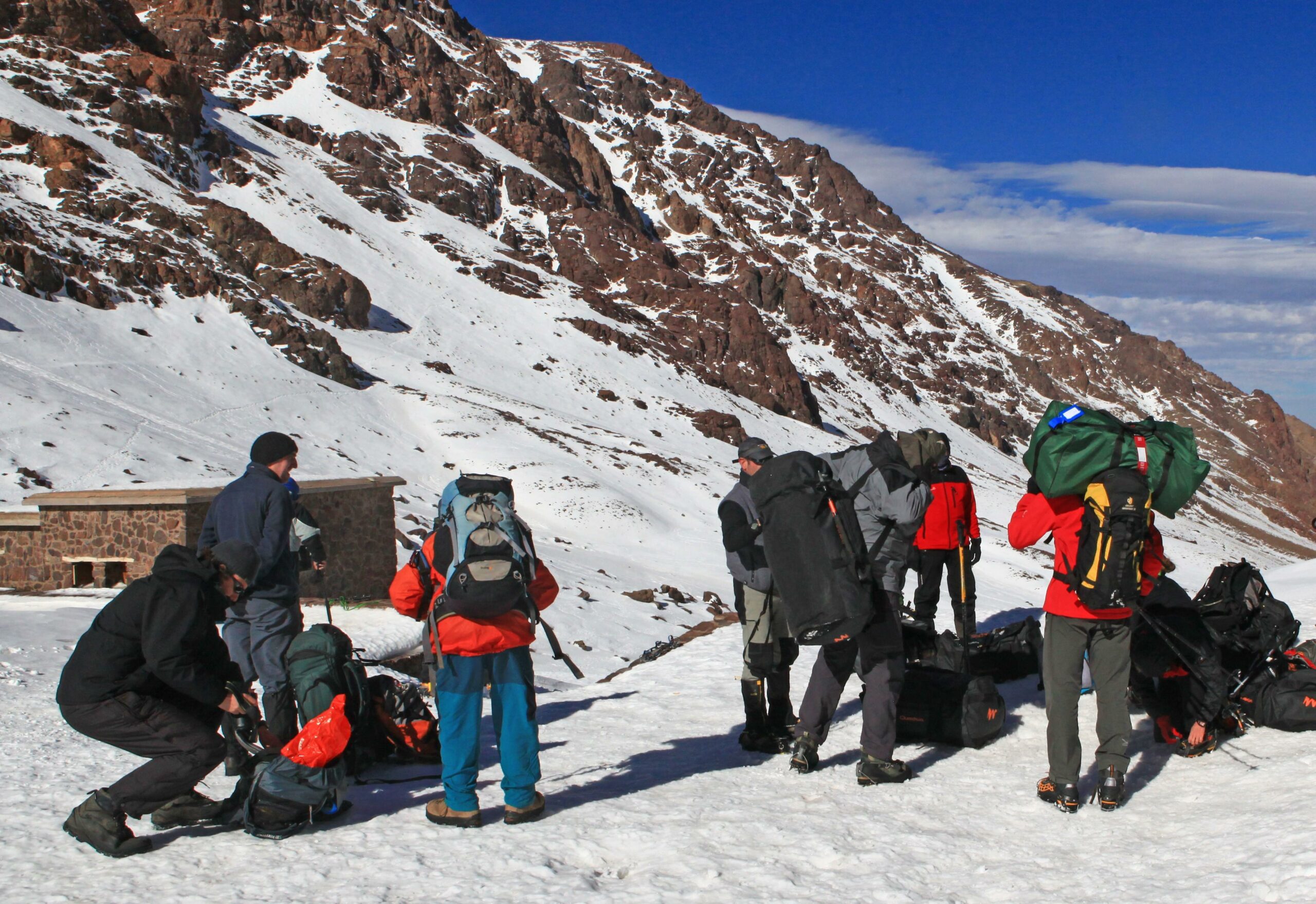
Winter transforms parts of the High Atlas into a snowy wonderland.
While lower-altitude hikes remain accessible, higher routes may require specialized equipment and experienced guides.
Mount Toubkal: Morocco's Most Famous Trek
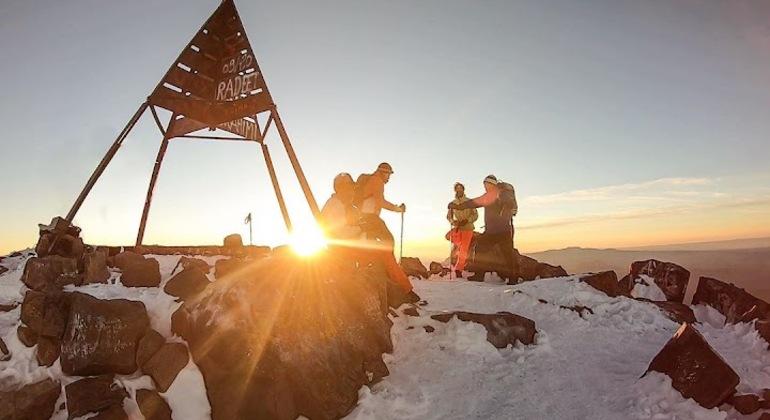
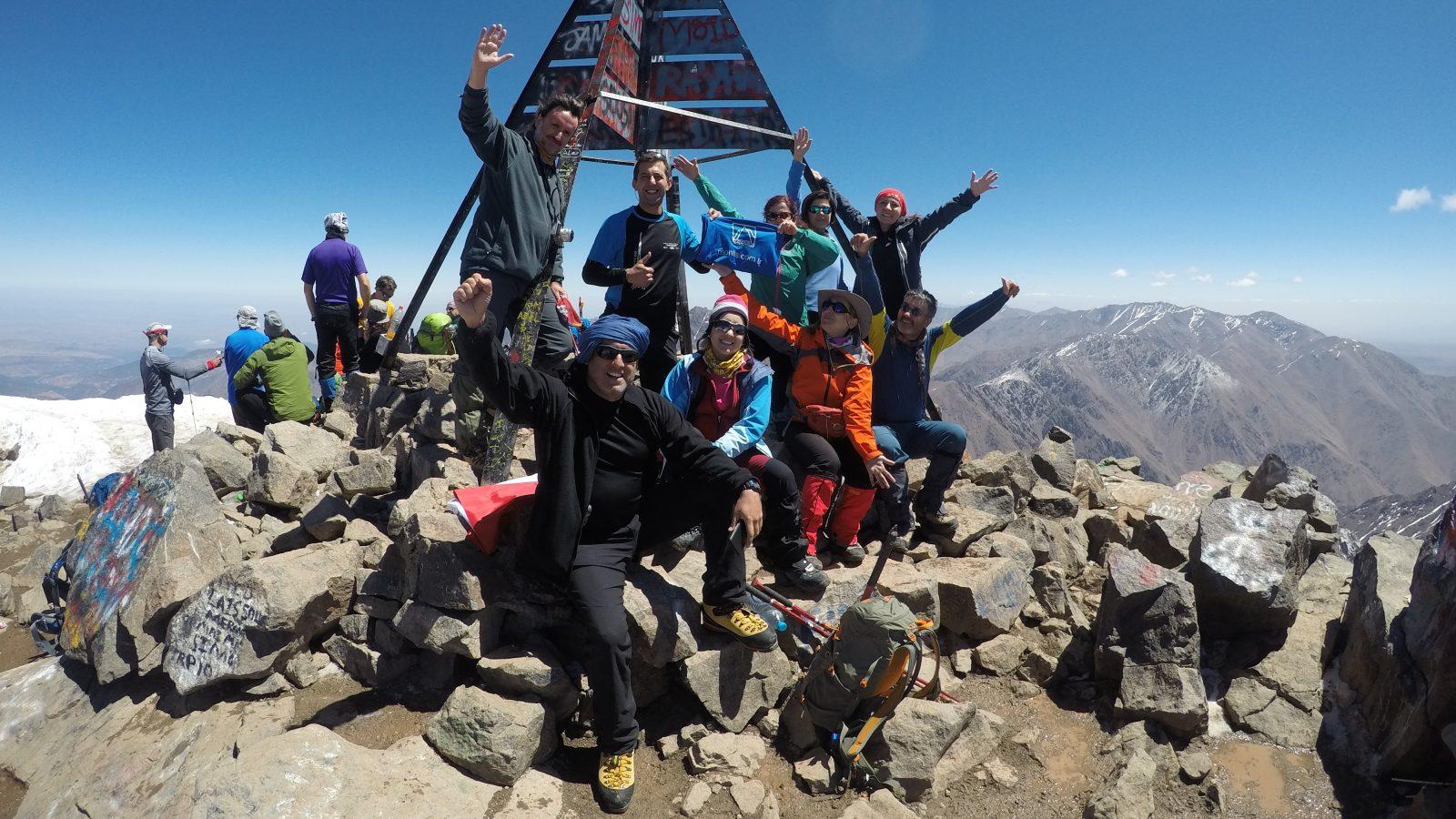
No guide to hiking the Atlas Mountains would be complete without mentioning Mount Toubkal.
Standing at 4,167 meters, Mount Toubkal is the highest peak in North Africa.
Why Hike Mount Toubkal?
Unlike many peaks of similar elevation, Toubkal requires no technical climbing during favorable conditions.
This makes it achievable for reasonably fit hikers.
The rewards include:
- Spectacular summit views
- Sunrise above the clouds
- Panoramic mountain scenery
- A true sense of accomplishment
Typical Toubkal Trek Itinerary
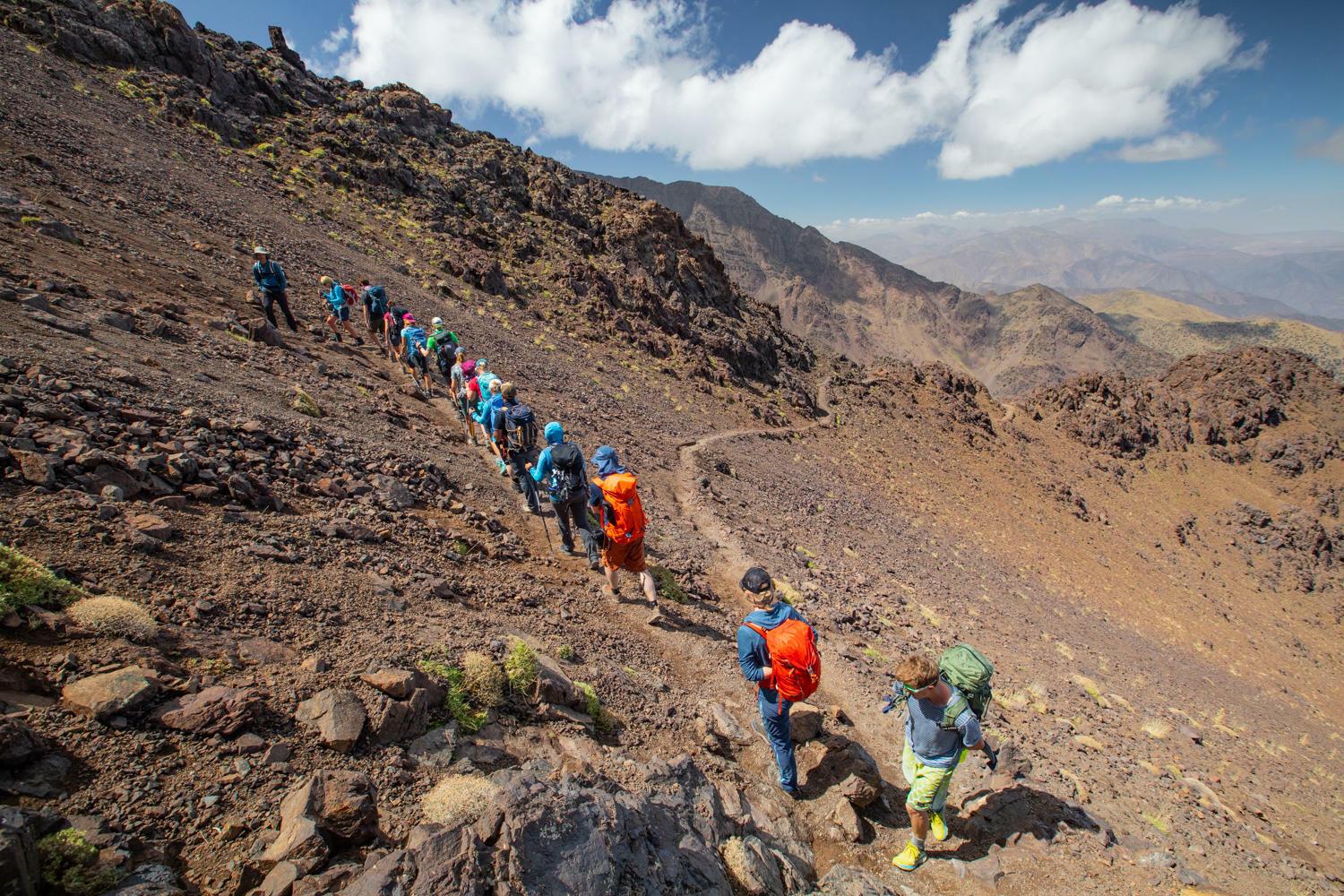
Most hikers complete the trek in two days.
Day 1
- Depart from Imlil
- Trek to Toubkal Refuge
- Overnight stay near the summit route
Day 2
- Early morning summit ascent
- Descend to Imlil
- Return to Marrakech
For a more relaxed experience, many travelers opt for a three-day itinerary.
Lesser-Known Treks Worth Exploring
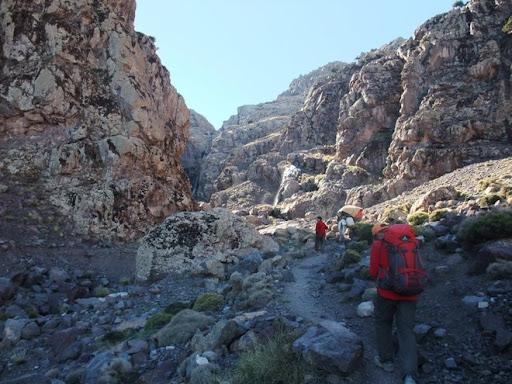
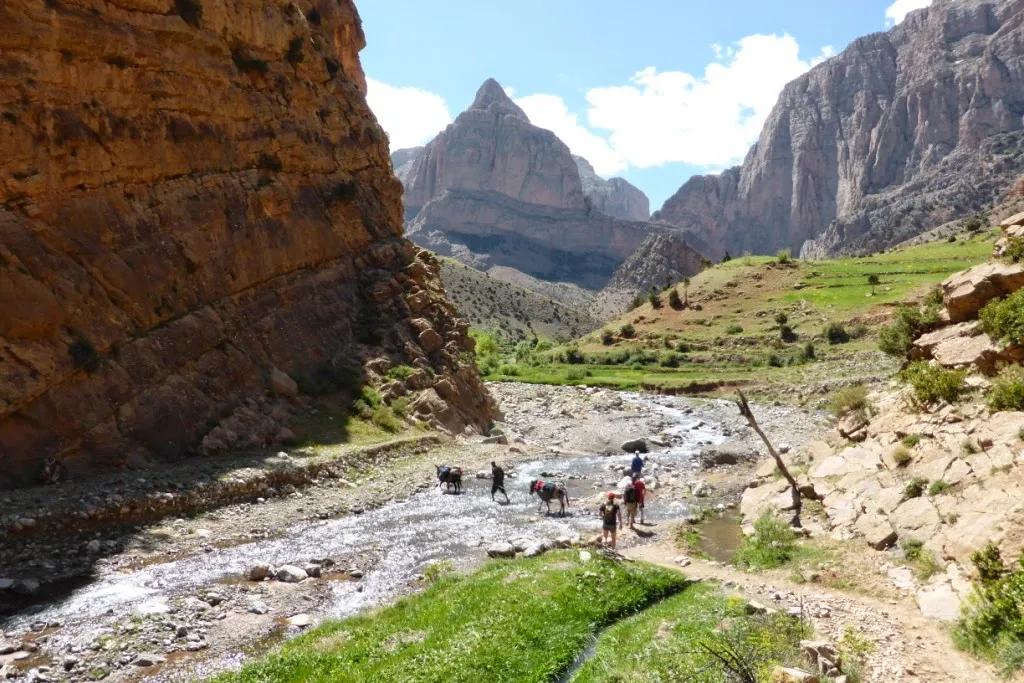
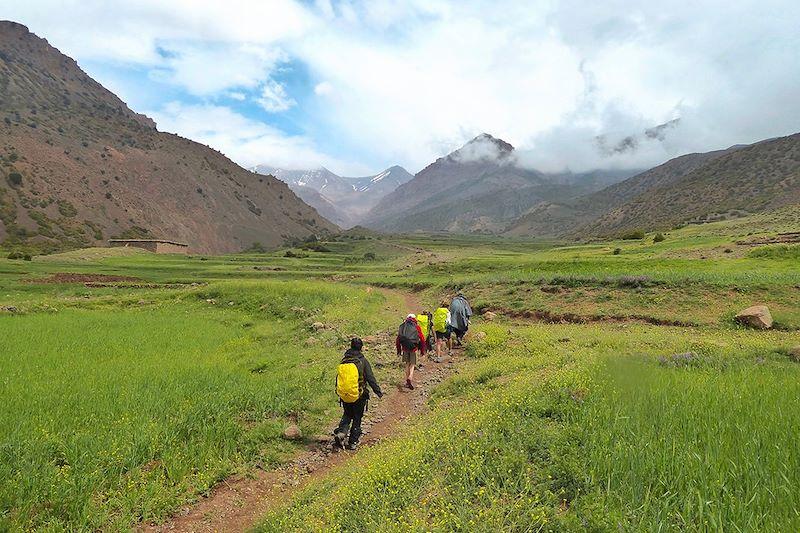
Although Mount Toubkal attracts considerable attention, countless other trails deserve recognition.
Azzaden Valley Trek
The Azzaden Valley showcases classic High Atlas scenery.
Highlights include:
- Waterfalls
- Walnut groves
- Traditional villages
- Stunning mountain passes
The route offers excellent opportunities for cultural interaction.
M’Goun Massif Trek
Mount M’Goun is Morocco’s second-highest mountain.
This multi-day trek provides:
- Diverse landscapes
- River crossings
- Remote villages
- Fewer crowds than Toubkal
Adventure seekers often consider it one of Morocco’s finest hiking experiences.
Happy Valley Trek
Ait Bouguemez offers gentle trekking suitable for most fitness levels.
Travelers enjoy:
- Green fields
- Village life
- Mountain views
- Authentic cultural encounters
This region is ideal for families and casual hikers.
The Cultural Side of Hiking the Atlas Mountains
One of the greatest rewards of trekking in Morocco extends beyond the landscapes themselves.
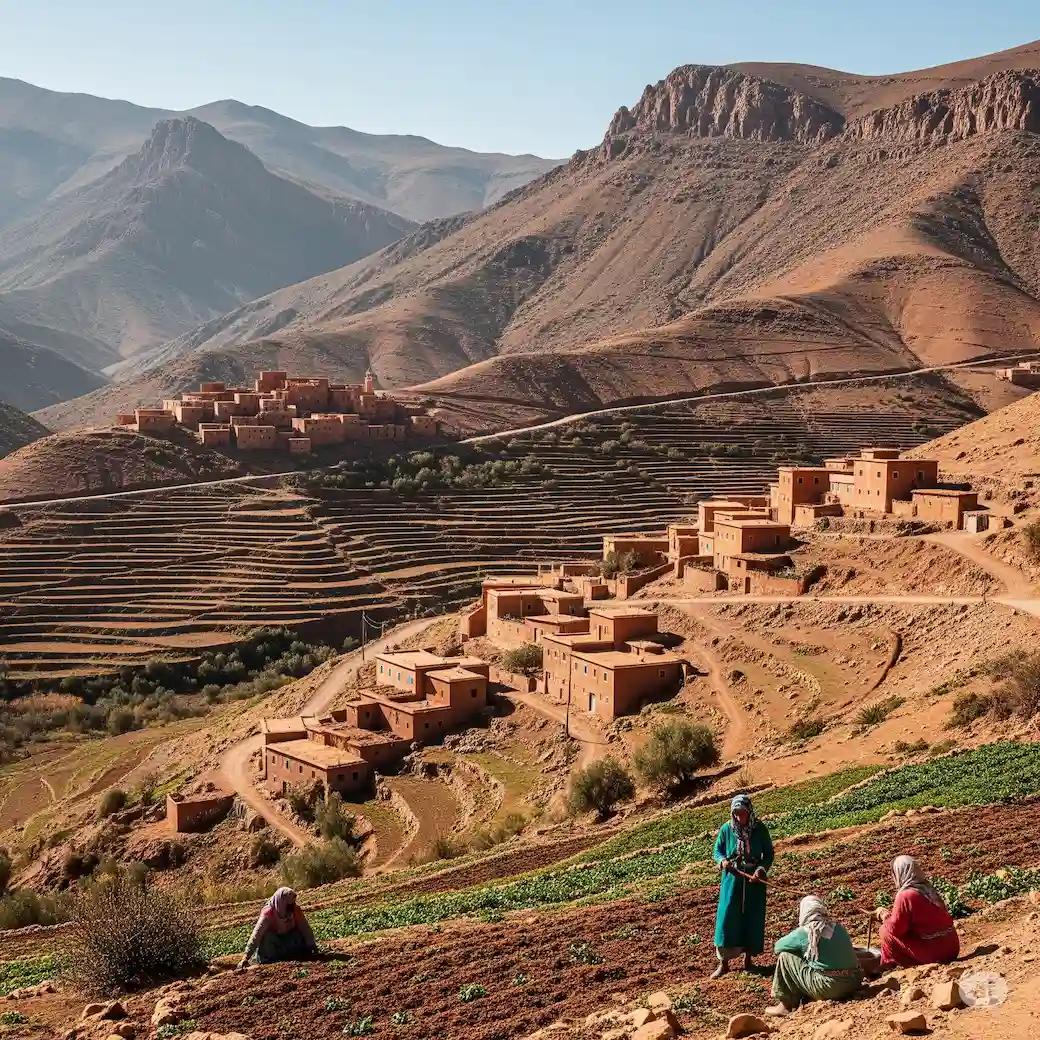
The Atlas Mountains are home to Amazigh communities whose traditions have endured for centuries.
Meeting Amazigh Communities
As hikers pass through villages, they often encounter:
- Farmers tending terraced fields
- Women baking traditional bread
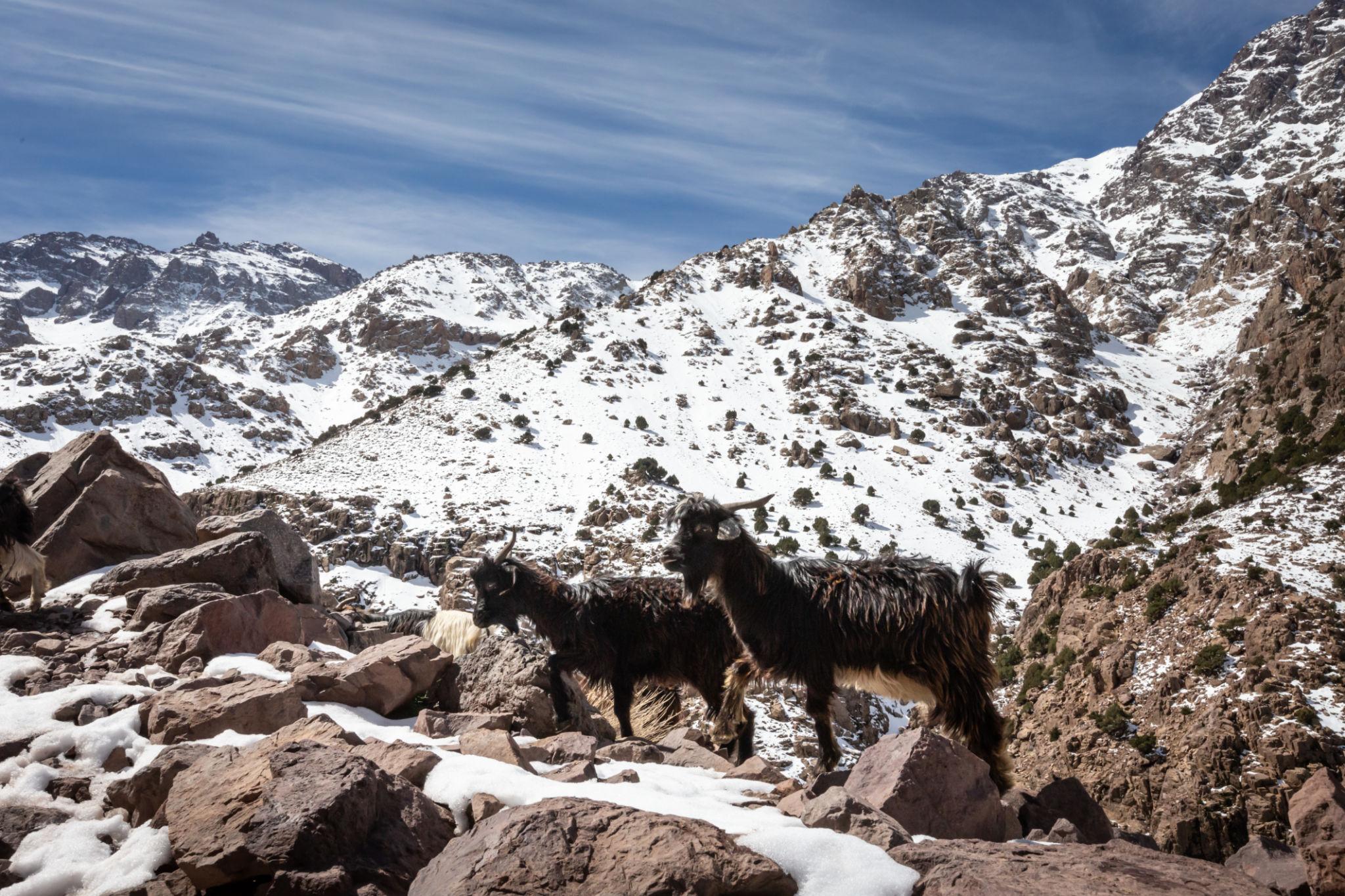
- Shepherds guiding flocks
- Artisans practicing ancient crafts
These interactions provide valuable insights into local life.
Traditional Hospitality
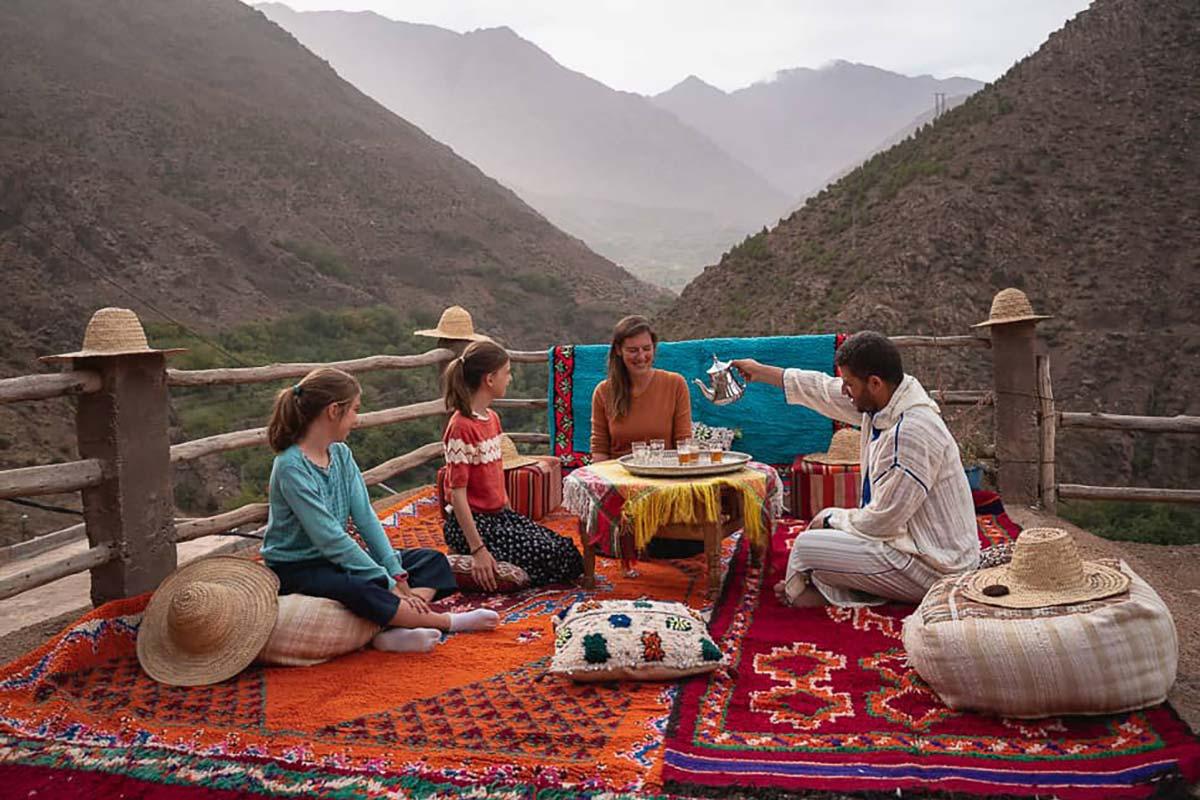
Moroccan hospitality is legendary.
Visitors frequently receive invitations for mint tea or home-cooked meals.
Even brief encounters often leave lasting impressions.
Understanding Local Customs
Respect for local traditions enhances the travel experience.
Consider the following:
- Dress modestly
- Ask permission before photographing people
- Learn a few local greetings
- Support community-run businesses
Small gestures go a long way in fostering meaningful connections.
What to Pack for an Atlas Mountains Trek
Proper preparation ensures a safer and more enjoyable journey.
Essential Clothing
Pack:
- Moisture-wicking shirts
- Hiking trousers
- Waterproof jacket
- Warm fleece layer
- Hat and sunglasses
- Comfortable hiking boots
Weather conditions can change rapidly at higher elevations.
Important Gear
Bring:
- Daypack
- Reusable water bottle
- Sunscreen
- Trekking poles
- Headlamp
- Basic first-aid kit
Even short hikes require adequate preparation.
Electronics and Photography Equipment
The Atlas Mountains provide endless photographic opportunities.
Consider carrying:
- Camera
- Spare batteries
- Power bank
- Memory cards
Remote villages may offer limited charging facilities.
Do You Need a Guide?
Many travelers wonder whether they should hire a guide.
The answer depends on the route and personal experience.
Benefits of Hiring a Local Guide
A knowledgeable guide can:
- Improve safety
- Navigate complex trails
- Share cultural insights
- Facilitate local interactions
- Support local economies
Furthermore, guides often enrich the journey with stories and historical context.
Independent Hiking
Experienced trekkers may complete some routes independently.
However, remote trails can be challenging to navigate.
For longer or higher-altitude treks, local expertise remains highly recommended.
Fitness Requirements for Atlas Mountain Hiking
One common misconception is that all Atlas Mountain hikes are extremely difficult.
In reality, the region offers trails for varying fitness levels.
Beginner-Friendly Walks
Suitable routes include:
- Village-to-village hikes
- Valley walks
- Half-day excursions
- Scenic nature trails
Moderate Treks
These routes involve:
- Longer distances
- Greater elevation gain
- Full-day hiking schedules
Most reasonably active travelers can complete them comfortably.
Challenging Expeditions
High-altitude routes such as Mount Toubkal demand:
- Good cardiovascular fitness
- Endurance
- Mental resilience
Training beforehand significantly improves the experience.
Wildlife and Nature in the Atlas Mountains
The Atlas Mountains support remarkable biodiversity.
Nature enthusiasts may encounter:
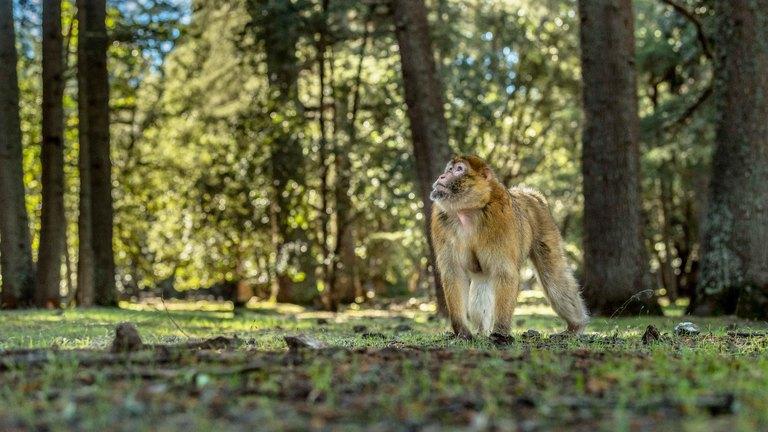
- Barbary macaques
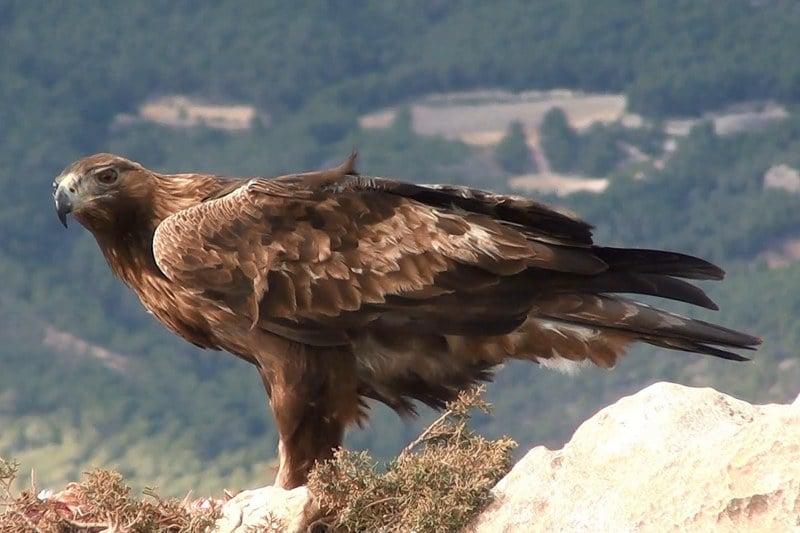
- Golden eagles
- Falcons
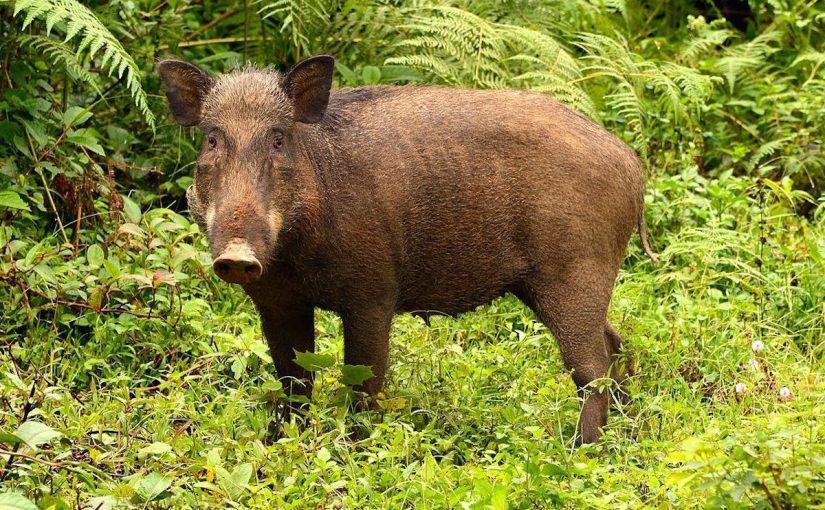
- Wild boars
- Numerous endemic plant species
Meanwhile, seasonal changes continually transform the scenery.
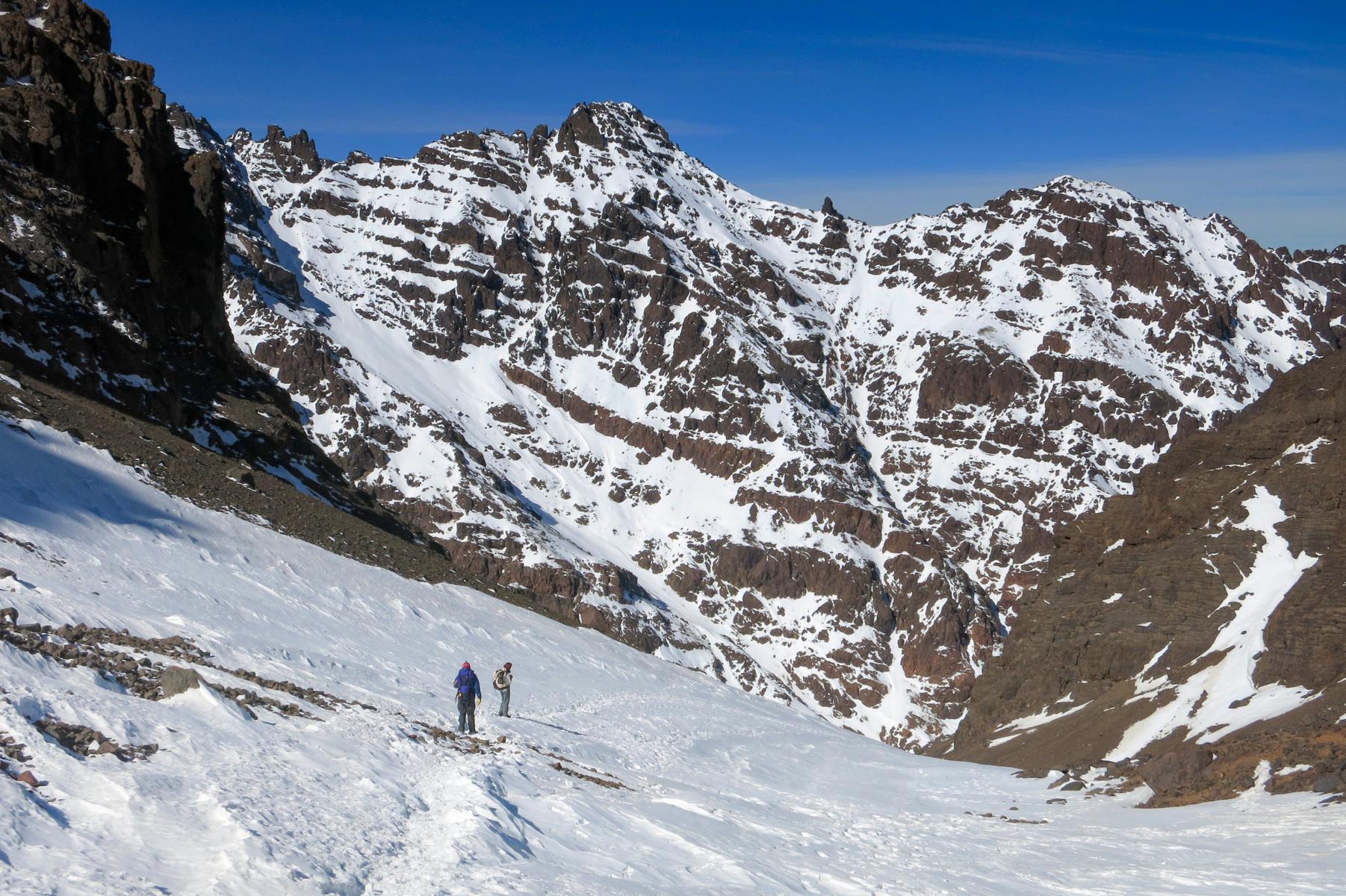
Spring blankets valleys with flowers, while winter brings dramatic snow-covered peaks.
Responsible and Sustainable Trekking
Tourism plays an important role in supporting mountain communities.
However, responsible travel remains essential.
Follow Leave No Trace Principles
Always:
- Carry out your waste
- Respect wildlife
- Stay on designated paths
- Minimize environmental impact
Support Local Communities
Choose:
- Local guides
- Family-run guesthouses
- Community-based tourism initiatives
As a result, your visit contributes directly to local livelihoods.
Respect Cultural Heritage
The Atlas Mountains are not simply a trekking destination.
They are living cultural landscapes where families have resided for generations.
Responsible behavior helps preserve these traditions for future visitors and residents alike.
Common Challenges and How to Prepare
Even well-planned treks can present challenges.
Altitude
Higher elevations may cause mild altitude symptoms.
To reduce risk:
- Ascend gradually
- Stay hydrated
- Rest when necessary
Weather Changes
Mountain weather can shift quickly.
Always carry layers and waterproof protection.
Physical Fatigue
Pacing yourself is essential.
Regular breaks and proper nutrition help maintain energy throughout the trek.
Combining Atlas Mountain Hiking with Other Moroccan Experiences
One of Morocco’s greatest advantages is the diversity of attractions located within relatively short distances.
Many travelers combine mountain trekking with:
- Marrakech city exploration
- Sahara Desert adventures
- Coastal escapes
- Historical kasbah visits
- Traditional market experiences
This combination creates a richer understanding of Morocco’s landscapes and cultures.
For example, few experiences compare to trekking among snow-capped peaks before journeying toward the golden dunes of Merzouga.
The contrast is extraordinary.
Few destinations blend natural beauty, cultural authenticity, and adventure as seamlessly as the Atlas Mountains.
From the towering summit of Mount Toubkal to the peaceful valleys of Ait Bouguemez, every trail reveals a different side of Morocco. Along the way, travelers discover breathtaking landscapes, welcoming Amazigh communities, and traditions that have endured for centuries.
Whether you are seeking a challenging multi-day expedition or a gentle walk through mountain villages, hiking the Atlas Mountains in Morocco offers experiences that extend far beyond the trail itself.
The mountains invite visitors to slow down, connect with nature, and engage with a way of life rooted in resilience and hospitality. Long after the journey ends, memories of dramatic peaks, mint tea shared with locals, and endless mountain horizons continue to inspire.
For those searching for an authentic Moroccan adventure, the Atlas Mountains remain one of the country’s most rewarding and unforgettable destinations.
1. Is hiking the Atlas Mountains in Morocco suitable for beginners?
Yes. The Atlas Mountains offer trails for all experience levels. Beginners can enjoy easy village walks and valley hikes around Imlil or Ait Bouguemez, while experienced hikers can tackle more demanding routes like Mount Toubkal. Choosing a trail that matches your fitness level is the key to an enjoyable experience.
2. What is the best time to go hiking in the Atlas Mountains?
Spring (March to May) and autumn (September to November) are considered the best seasons for hiking the Atlas Mountains in Morocco. During these months, temperatures are pleasant, the scenery is vibrant, and trail conditions are generally ideal for trekking.
3. How difficult is the Mount Toubkal trek?
The Mount Toubkal trek is moderately challenging. Although no technical climbing is required in normal conditions, hikers should be prepared for long ascents, high altitude, and changing weather. A reasonable level of fitness is recommended.
4. Do I need a guide for hiking the Atlas Mountains?
While some shorter trails can be explored independently, hiring a local guide is highly recommended for longer or more remote treks. Guides improve safety, provide valuable cultural insights, and help support local Amazigh communities.
5. What should I pack for an Atlas Mountains trek?
Essential items include sturdy hiking boots, layered clothing, a waterproof jacket, sun protection, a reusable water bottle, trekking poles, snacks, and a small first-aid kit. Weather can change quickly, especially at higher elevations.
6. Can I hike the Atlas Mountains as a day trip from Marrakech?
Absolutely. Many of the most popular hiking areas, including Imlil and Ouirgane, are only 1.5 to 2 hours from Marrakech. Several guided day hikes are available, making the Atlas Mountains an excellent excursion for travelers with limited time.
7. Are the Atlas Mountains safe for tourists?
Yes. The Atlas Mountains are generally considered safe for visitors. As with any outdoor adventure, it’s important to stay on marked trails, check weather conditions, and use an experienced guide for remote or high-altitude routes.
8. How many days should I spend hiking the Atlas Mountains?
The ideal duration depends on your interests. A one-day hike offers a taste of the region, while a two- or three-day trek allows you to explore mountain villages and scenic valleys. Travelers seeking a deeper adventure often choose four to seven-day trekking itineraries.
9. What makes hiking the Atlas Mountains unique?
Hiking the Atlas Mountains combines spectacular scenery with authentic cultural experiences. In addition to breathtaking peaks and valleys, travelers have the opportunity to visit traditional Amazigh villages, enjoy local hospitality, and discover a way of life that has remained largely unchanged for generations.
10. Can the Atlas Mountains be combined with a Sahara Desert tour?
Yes. Many visitors combine a trek in the Atlas Mountains with a journey to the Sahara Desert. This itinerary showcases two of Morocco’s most iconic landscapes, offering an unforgettable mix of mountain adventures, historic kasbahs, lush valleys, and golden sand dunes.
Ready to discover Morocco? Let's plan your perfect trip.
Whether it’s a desert adventure from Marrakech, an imperial cities tour, or a custom itinerary — our team responds within 24 hours with a tailored plan and quote.