
Olive Harvest Season in Morocco: A Complete Travel Guide
The Olive Harvest Season in Morocco is one of the best times to discover a quieter and more authentic side of the country. While Morocco is famous for its imperial cities, colorful souks, Atlas Mountains, and Sahara Desert, its agricultural traditions reveal another important part of Moroccan culture.
Every autumn and early winter, olive-growing regions across Morocco become busy with seasonal activity. Farmers gather olives from the trees, transport them to traditional and modern mills, and prepare the fruit to become olive oil or preserved table olives. The harvest is not simply an agricultural activity; it is connected to Moroccan cuisine, family traditions, rural communities, and local economies.
For travelers, the season offers an opportunity to see Moroccan countryside at a different time of year, taste fresh local olive oil, discover traditional farming practices, and explore regions where agriculture remains an important part of everyday life.
The main olive harvest generally takes place from November through December, although the exact timing varies according to the region, olive variety, weather conditions, and intended use of the fruit.
If you are planning a Morocco trip in autumn or early winter, understanding the Olive Harvest Season in Morocco can help you discover experiences that go beyond the country’s most famous tourist attractions.
Olive Harvest Season in Morocco: When Does It Take Place?
Ramadan is the ninth month of the Islamic lunar calendar and one of the most important periods of the year for Muslims.
During the month, many Muslims fast from dawn until sunset. The fast includes food and drink, but Ramadan is about much more than physical restraint. It is a time associated with worship, reflection, patience, gratitude, charity, and strengthening family and community relationships.
Fasting during Ramadan is one of the Five Pillars of Islam. However, recognized exemptions exist for people in particular circumstances, including those who are ill or unable to fast safely. Individual practice can vary according to health, age, travel, personal circumstances, and religious guidance.
The month lasts 29 or 30 days and ends with Eid al-Fitr, a religious holiday celebrated with prayer, family visits, festive meals, and gifts.
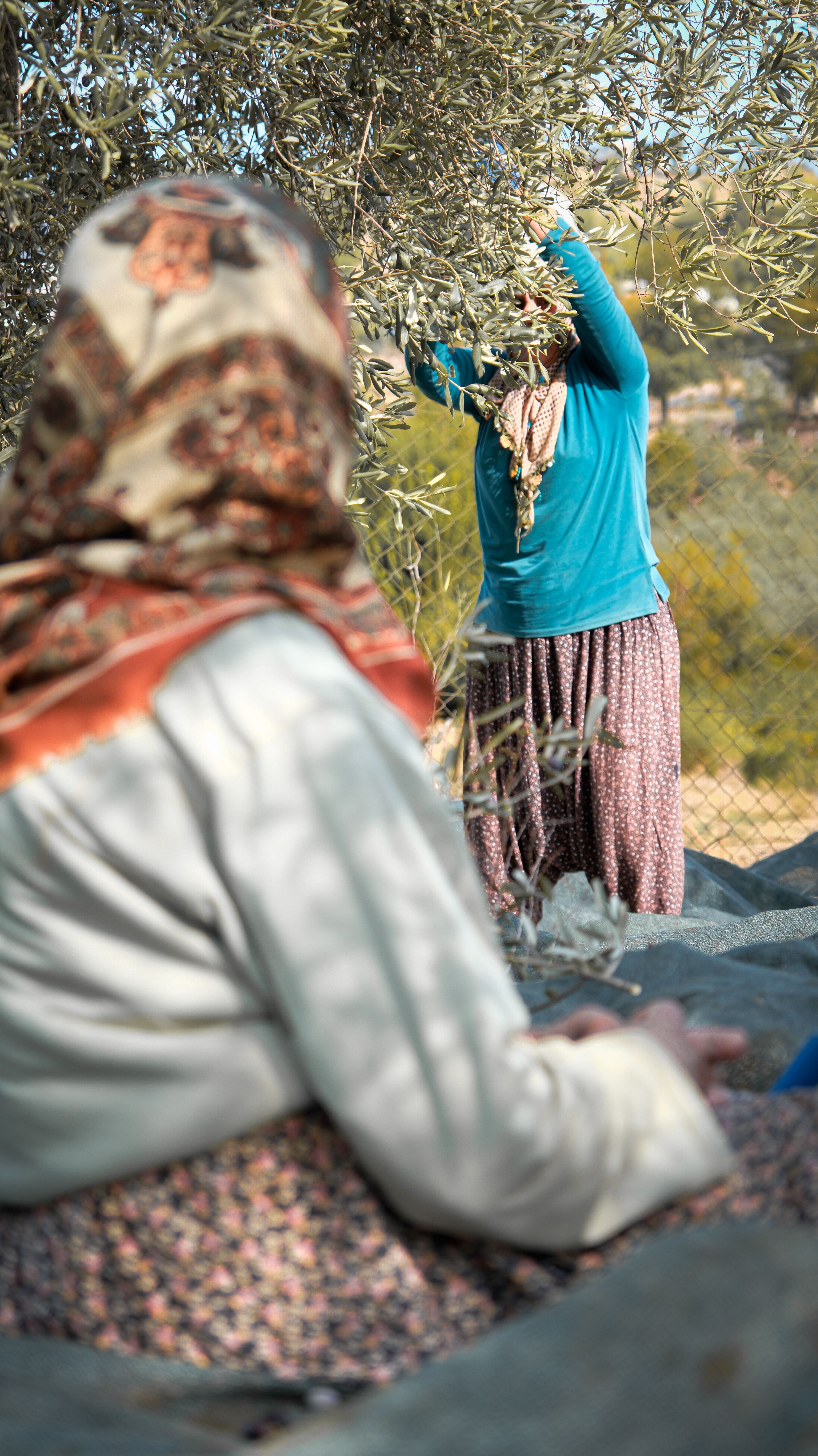
The timing of the olive harvest depends on several factors, including the location of the olive grove, the variety of olive, weather conditions, and whether the fruit is intended for oil production or table consumption.
In many areas, harvesting can begin during October, while November and December are generally among the busiest months. In some regions, harvesting may continue into January or later.
When Is the Main Olive Harvest?
For visitors interested in seeing the countryside during its busiest agricultural period, November and December are particularly interesting months.
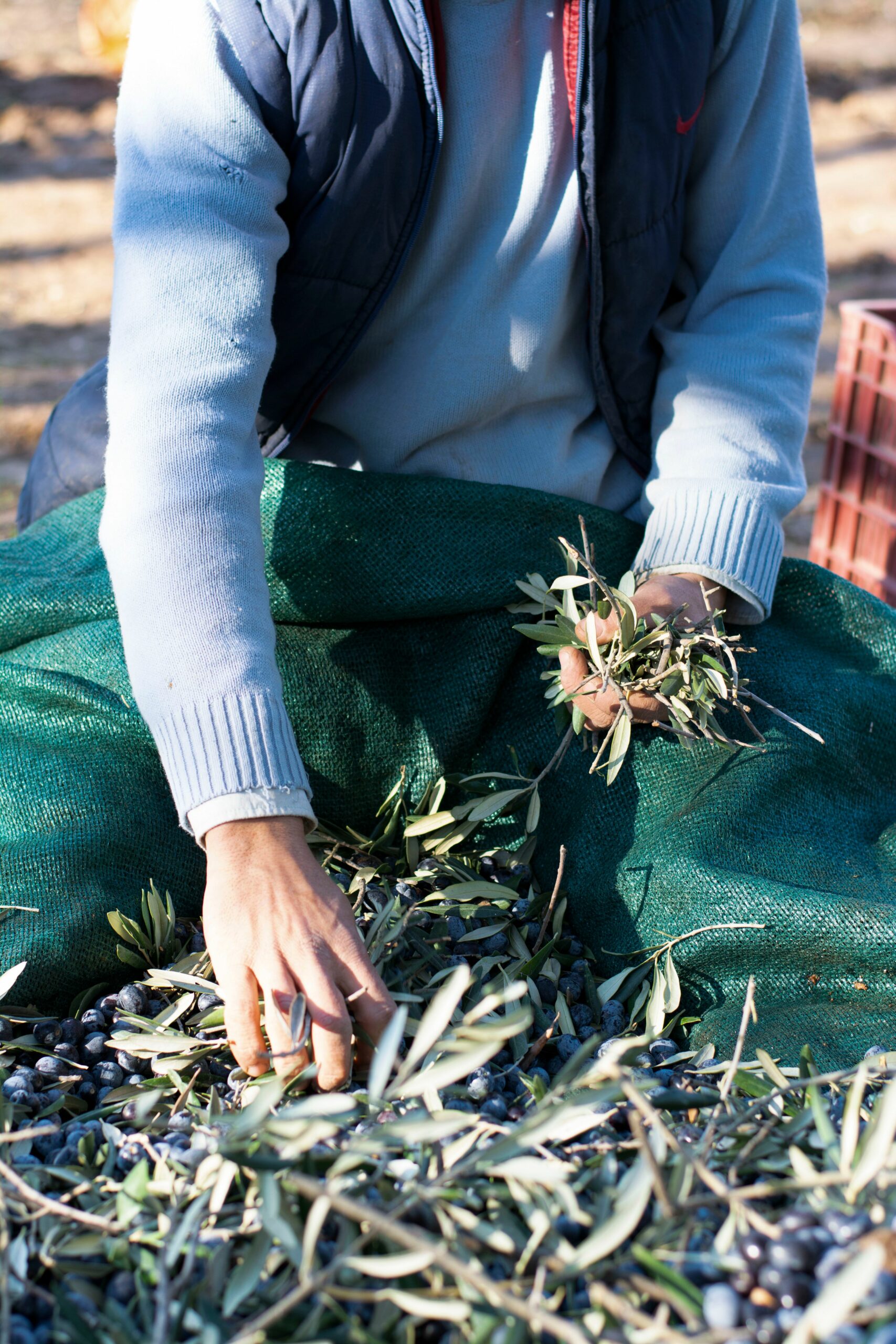
During this period, olive groves become active with farmers and seasonal workers. Nets may be placed beneath trees, baskets and containers are filled with freshly picked olives, and vehicles transport the harvest toward local mills.
The experience can vary from one region to another. Some farms continue to use traditional manual techniques, while larger agricultural operations may rely on mechanical equipment.
Why Does Harvest Timing Matter?
Olives do not all reach the same stage of maturity at the same time.
The moment when olives are harvested can influence the characteristics of the resulting oil. Earlier harvesting can produce oils with stronger green and bitter notes, while more mature fruit can create a softer and fruitier profile.
This makes the harvest period particularly interesting for anyone interested in Moroccan gastronomy and olive oil.
Where to Experience Olive Harvest Season in Morocco
Morocco has many olive-growing areas, making the harvest visible in different parts of the country.
The Fes-Meknes region is especially interesting for travelers because it combines agricultural landscapes with some of Morocco’s most important historical destinations.
Other olive-growing areas can be found around Marrakech, Beni Mellal, Ouezzane, Khemisset, and several northern and central Moroccan regions.
Olive Groves Around Meknes
Meknes is one of the best destinations to consider if you want to combine Moroccan history with agricultural landscapes.
The city is one of Morocco’s four imperial cities and is surrounded by fertile countryside.
Travelers visiting Meknes during the olive harvest may encounter rural landscapes filled with olive trees and agricultural activity.
The experience becomes even more interesting when combined with nearby Volubilis, where Roman archaeological remains provide a fascinating contrast between ancient history and contemporary Moroccan agriculture.
Ideal Tour Morocco includes Meknes and Volubilis in its longer itineraries, including the 15 Days Tour from Casablanca.
Olive-Growing Landscapes Around Fes
Fes is another excellent destination for travelers interested in discovering Morocco’s food and agricultural traditions.
The historic city is famous for its medina, traditional crafts, tanneries, architecture, and culinary culture. Outside the urban area, the landscape becomes more rural, with agricultural fields and villages surrounding the city.
A Morocco itinerary that combines Fes, Meknes, and Volubilis can therefore offer both cultural sightseeing and opportunities to observe rural Morocco.
The 16 Days Morocco Tour from Casablanca is one example of a longer itinerary connecting Casablanca, Rabat, Chefchaouen, Volubilis, Meknes, Fes, the Sahara, Ouarzazate, Marrakech, and Essaouira.
Olive Trees Around Marrakech
Olive cultivation can also be found in the countryside around Marrakech.
The landscapes surrounding the Red City combine agricultural land, olive trees, palm groves, villages, and views toward the Atlas Mountains.
For travelers staying in Marrakech, exploring the surrounding countryside during the autumn harvest can provide a completely different perspective on the region.
Instead of focusing only on palaces, souks, and monuments, you can discover the agricultural landscapes that have long supported local communities.
How Olives Are Harvested in Morocco
One of the most interesting parts of the Olive Harvest Season in Morocco is seeing how olives move from the tree to the mill.
Harvesting methods vary according to the farm and region.
Traditional Olive Harvesting
In traditional olive-growing communities, harvesting is often a labor-intensive activity.
Farmers may manually pick olives or use simple tools to loosen the fruit from the branches. Nets are commonly placed underneath the trees to collect the olives as they fall.
The collected olives are then gathered into containers and transported for sorting and processing.
This traditional process is closely connected with rural community life and can involve several members of a family or local agricultural workers.
Mechanical Harvesting
Larger farms may use mechanical equipment to speed up the process.
Mechanical harvesting can be particularly useful for larger plantations where manually collecting every olive would require considerable time and labor.
However, traditional harvesting remains an important part of olive-growing culture in many rural communities.
From the Tree to the Mill
After harvesting, olives need to be transported for processing.
The fruit is cleaned to remove leaves and other unwanted material before being crushed.
The olive paste is then processed to separate the oil from water and solid components.
The result is fresh olive oil that can be filtered or stored according to the producer’s methods.
For travelers interested in food culture, visiting an olive mill during harvest season can provide a fascinating look at a process that is usually hidden from consumers.
Moroccan Olive Oil and Food Culture
Olive oil has an important place in Moroccan cuisine.
It is used in everyday cooking and can also be served with bread, salads, vegetables, and traditional dishes.
Moroccan cuisine is highly regional, so the way olive oil is used can vary between communities and households.
Olive Oil at the Moroccan Table
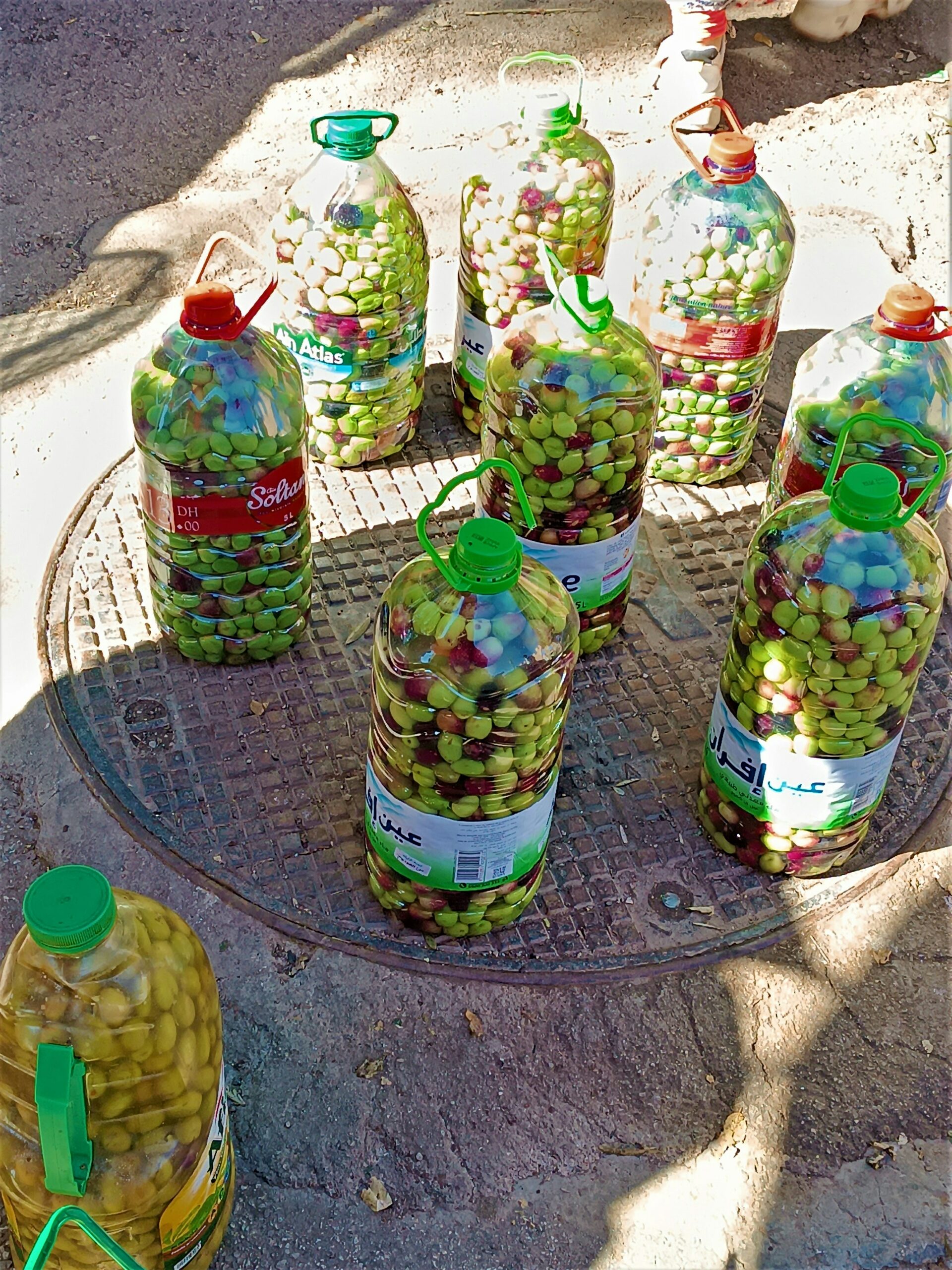
A simple Moroccan breakfast or meal may include fresh bread accompanied by olive oil, olives, honey, butter, or other local products.
Olive oil is also commonly used in cooking and in the preparation of salads and marinades.
For visitors, tasting locally produced olive oil can therefore be an easy way to connect with Moroccan food culture.
Moroccan Olives
Olives themselves are also an important part of Moroccan meals.
They can be served as appetizers, incorporated into salads, or used in traditional dishes.
Different varieties and preparation methods produce different flavors, from mild and fruity to salty, spicy, or intensely aromatic.
Why Fresh Olive Oil Is Special
Freshly produced olive oil can have a noticeably different flavor from oil that has been stored for a long period.
Depending on the variety and harvest stage, fresh oil may have green, grassy, herbal, fruity, bitter, or peppery characteristics.
This makes an olive-oil tasting an interesting culinary activity during the harvest season.
Olive Harvest Season in Morocco and Rural Life
The olive harvest is more than a seasonal agricultural task.
For many rural communities, it represents an important part of the agricultural year.
Families may organize their work around the harvest, while local mills become particularly active during the season.
A Community Tradition
Agricultural work in Morocco often has a strong social dimension.
Harvesting can bring together family members, neighbors, and seasonal workers.
The shared work, meals, conversations, and transportation of the olives create a strong sense of community.
For visitors, witnessing this activity respectfully can provide insight into everyday Moroccan life that is difficult to experience in major cities alone.
Rural Morocco Beyond the Tourist Route
Many travelers spend most of their time visiting Marrakech, Fes, Casablanca, or the Sahara.
These destinations are essential parts of a Morocco trip, but rural areas reveal another side of the country.
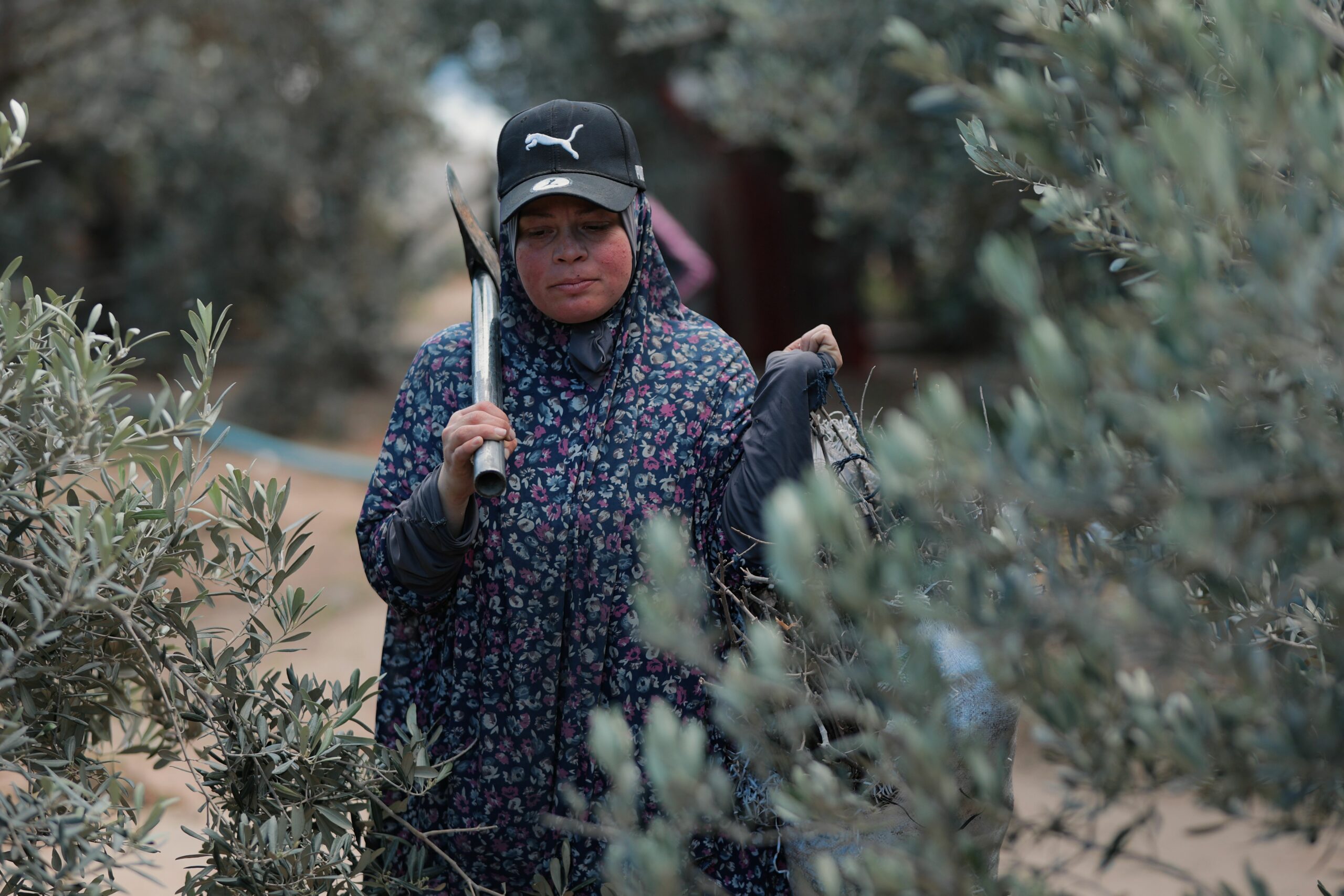
The olive harvest provides an opportunity to see farmers working in the countryside, traditional villages surrounded by agricultural land, and landscapes shaped by generations of farming.
This is particularly valuable for travelers interested in culture rather than simply sightseeing.
How to Experience Olive Harvest Season in Morocco as a Traveler
You do not have to be an agricultural specialist to enjoy the harvest.
A few simple experiences can make the season memorable.
Visit an Olive-Growing Area
Travel through rural areas during November or December and look for olive groves surrounding villages and agricultural communities.
The landscape itself can be fascinating, especially when the trees are filled with fruit and farmers are actively harvesting.
Visit a Local Olive Mill
If you have the opportunity, visiting an olive mill can help you understand the production process.
You can observe how freshly harvested olives are cleaned, crushed, processed, and transformed into oil.
Because not every mill accepts visitors, it is best to arrange a visit in advance through a local guide, cooperative, or tour operator.
Taste Local Olive Oil
A tasting can be a simple but memorable experience.
Try the oil with fresh Moroccan bread and pay attention to its aroma and flavor.
You may notice:
- Fruity notes
- Herbal aromas
- Green characteristics
- Bitterness
- Peppery sensations
- A lingering finish
There is no single flavor that defines Moroccan olive oil. The taste can vary depending on the region, variety, maturity of the olives, and production process.
Combine Agriculture With Cultural Tourism
The best way to experience the harvest may be to incorporate it into a broader Morocco itinerary.
For example, you could combine Meknes and Volubilis with Fes before continuing toward the Sahara and Marrakech.
The 15 Days Tour from Casablanca is particularly useful for travelers who want to explore several regions of Morocco in one journey. The itinerary includes Casablanca, Rabat, Chefchaouen, Volubilis, Meknes, Fes, the Sahara, Ouarzazate, Ait Benhaddou, Essaouira, and Marrakech.
Olive Harvest Season in Morocco for Food Lovers
If you are passionate about Moroccan cuisine, visiting during the olive harvest can add an important culinary dimension to your trip.
The harvest connects directly with many of the ingredients found on Moroccan tables.
Fresh Bread and Olive Oil
One of the simplest ways to taste Moroccan olive oil is with fresh bread.
The combination may seem basic, but it allows the flavor of the oil to stand out.
Olives in Moroccan Dishes
Olives appear in many Moroccan dishes and can be prepared in different ways.
They are particularly familiar in traditional tagines, salads, and appetizer plates.
The combination of olives, preserved lemon, herbs, spices, and olive oil is an important part of Moroccan culinary identity.
Local Markets
Moroccan souks and markets are excellent places to observe how agricultural products move into everyday food culture.
Depending on the location and season, you may find locally produced olives, olive oil, dried fruits, spices, bread, and other agricultural products.
A visit to a traditional market can therefore complement an olive-growing experience.
Olive Harvest Season in Morocco for Photographers
The olive harvest is also an excellent opportunity for travel photography.
The combination of ancient trees, rural landscapes, farmers, traditional tools, baskets, and autumn light creates many interesting photographic subjects.
Photographing Olive Groves
Early morning and late afternoon can provide beautiful natural light.
Try photographing:
- Rows of olive trees
- Farmers collecting olives
- Nets beneath trees
- Baskets filled with fruit
- Rural roads
- Traditional farmhouses
- Mountain landscapes
- Olive-filled countryside
Photographing People Respectfully
Always ask permission before taking close-up photographs of farmers or workers.
A respectful approach is especially important in rural communities.
Rather than treating the harvest simply as a photographic backdrop, take time to understand what is happening and interact respectfully with the people involved.
This often results in better photographs and more meaningful travel experiences.
Why November Is a Great Time to Visit Morocco
November is an especially interesting month for travelers who want to combine comfortable sightseeing with seasonal cultural experiences.
The extreme summer heat has passed, while many parts of Morocco still offer pleasant conditions for exploring cities and countryside.
It is also a period when agricultural activity becomes more visible.
You can combine an autumn Morocco trip with:
- Olive harvest experiences
- Fes and Meknes
- Volubilis
- Marrakech
- Atlas Mountain landscapes
- Sahara Desert experiences
- Traditional markets
- Moroccan food
- Rural villages
For travelers who want to experience more than Morocco’s famous landmarks, this combination can create a much richer itinerary.
Ideal Tour Morocco offers multi-day journeys connecting Morocco’s major cities, desert regions, mountains, and coastal destinations. The 16 Days Morocco Tour from Casablanca is one example, linking northern Morocco with Fes, the Sahara, Ouarzazate, Marrakech, and Essaouira.
Practical Tips for Visiting During Olive Harvest Season
Plan for November and December
If experiencing the olive harvest is one of your priorities, November and December are good months to consider.
However, harvest dates vary from one region and farm to another, so there is no single nationwide harvest day.
Arrange Farm Visits in Advance
Do not assume that every olive grove or mill is open to tourists.
A local guide or tour operator can help arrange appropriate visits and explain local customs.
Wear Comfortable Shoes
Olive groves can have uneven terrain, stones, soil, and vegetation.
Comfortable walking shoes are recommended.
Bring Sun Protection
Even in autumn, Moroccan sunshine can be strong.
Pack:
- Sunglasses
- Sunscreen
- A hat
- Comfortable outdoor clothing
Ask About the Origin of Olive Oil
If you want to purchase olive oil, ask where it was produced and when the olives were harvested.
Buying from a reputable producer, cooperative, or established seller is preferable to purchasing an unknown product.
Frequently Asked Questions About Olive Harvest Season in Morocco
When is olive harvest season in Morocco?
The main Olive Harvest Season in Morocco generally takes place during autumn and early winter, with November and December being particularly important months in many regions. Exact dates vary depending on the location, olive variety, weather, and intended use of the olives.
Where is olive harvest season most interesting in Morocco?
The Fes-Meknes region is an excellent area for travelers interested in combining olive-growing landscapes with cultural tourism. Meknes, Fes, and the surrounding countryside offer opportunities to experience both historic Morocco and rural agricultural traditions.
Can I visit an olive farm in Morocco?
Yes, some farms, cooperatives, and olive producers may welcome visitors. However, access is not universal, so it is best to arrange a visit in advance through a local guide or tour operator.
What month is best for seeing the olive harvest in Morocco?
November and December are generally strong choices for travelers hoping to see active olive harvesting. The exact timing varies by region and agricultural conditions, so local confirmation is recommended.
Can I combine an olive harvest experience with a Morocco tour?
Yes. The olive harvest can be combined with a wider cultural itinerary including Fes, Meknes, Volubilis, Marrakech, the Atlas Mountains, and the Sahara Desert. For example, Ideal Tour Morocco’s 15 Days Tour from Casablanca connects several of these destinations in one itinerary.
The Olive Harvest Season in Morocco offers a fascinating opportunity to discover the country through its agriculture, food, landscapes, and rural communities. From the olive groves surrounding Meknes and Fes to the countryside around Marrakech and other growing regions, the harvest reveals traditions that remain closely connected to everyday Moroccan life.
Traveling during November or December allows you to experience Morocco beyond its famous monuments. You can explore historic cities, discover rural landscapes, taste local olive oil, visit traditional markets, and learn how an important Moroccan agricultural product travels from the tree to the table.
If you want to combine cultural discovery with a wider Moroccan adventure, explore the 15 Days Tour from Casablanca or the 16 Days Morocco Tour from Casablanca and discover several regions of the country in one journey.
Would you like to experience the olive harvest in Morocco during your next trip? Have you ever visited an olive farm or tasted freshly produced Moroccan olive oil? Share your experience in the comments!
Ready to discover Morocco? Let's plan your perfect trip.
Whether it’s a desert adventure from Marrakech, an imperial cities tour, or a custom itinerary — our team responds within 24 hours with a tailored plan and quote.