
Sleeping Under Sahara Stars: What a Desert Night in Merzouga Really Feels Like
There are travel experiences that stay with you long after your journey ends. Sleeping beneath a sky full of stars in the Moroccan Sahara is one of them.
A desert night in Merzouga is not simply about spending an evening in the dunes. It is about disconnecting from the noise of modern life and reconnecting with nature in its purest form. As the sun disappears behind golden sand mountains and darkness settles across the desert, the Sahara reveals a completely different world—one filled with silence, stories, music, and some of the clearest night skies on Earth.
For many travelers visiting Morocco, Merzouga becomes the highlight of their trip. While cities like Marrakech, Fes, and Casablanca showcase the country’s vibrant culture, the Sahara offers something deeper and more personal. It invites visitors to slow down, listen, and experience Morocco through the rhythms of the desert.
In this guide, you’ll discover what a desert night in Merzouga really feels like, what to expect during your stay, and why sleeping under Sahara stars remains one of Morocco’s most unforgettable travel experiences.
Where Is Merzouga and Why Is It So Special?
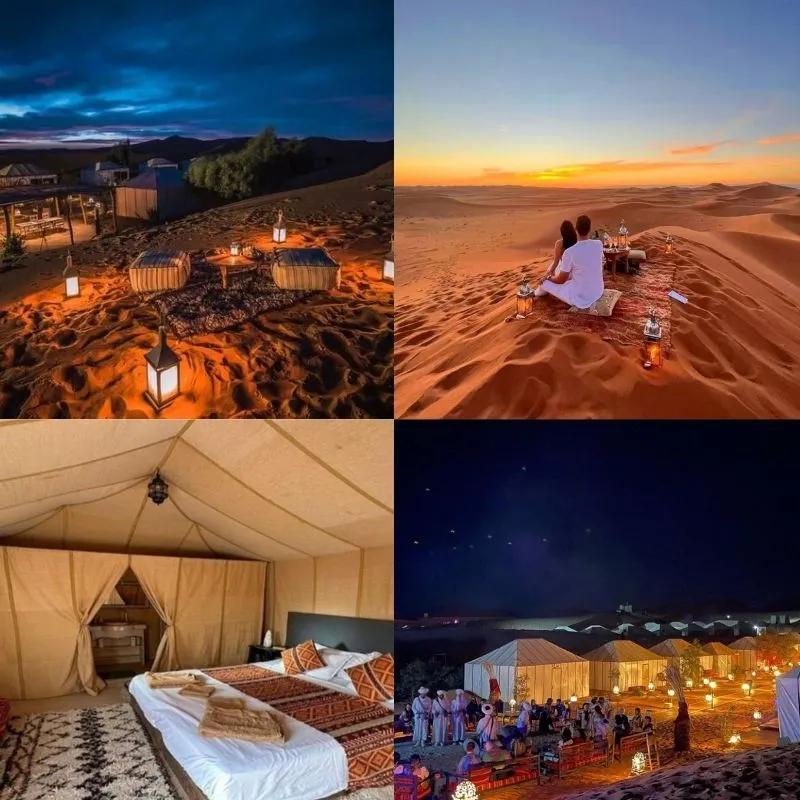
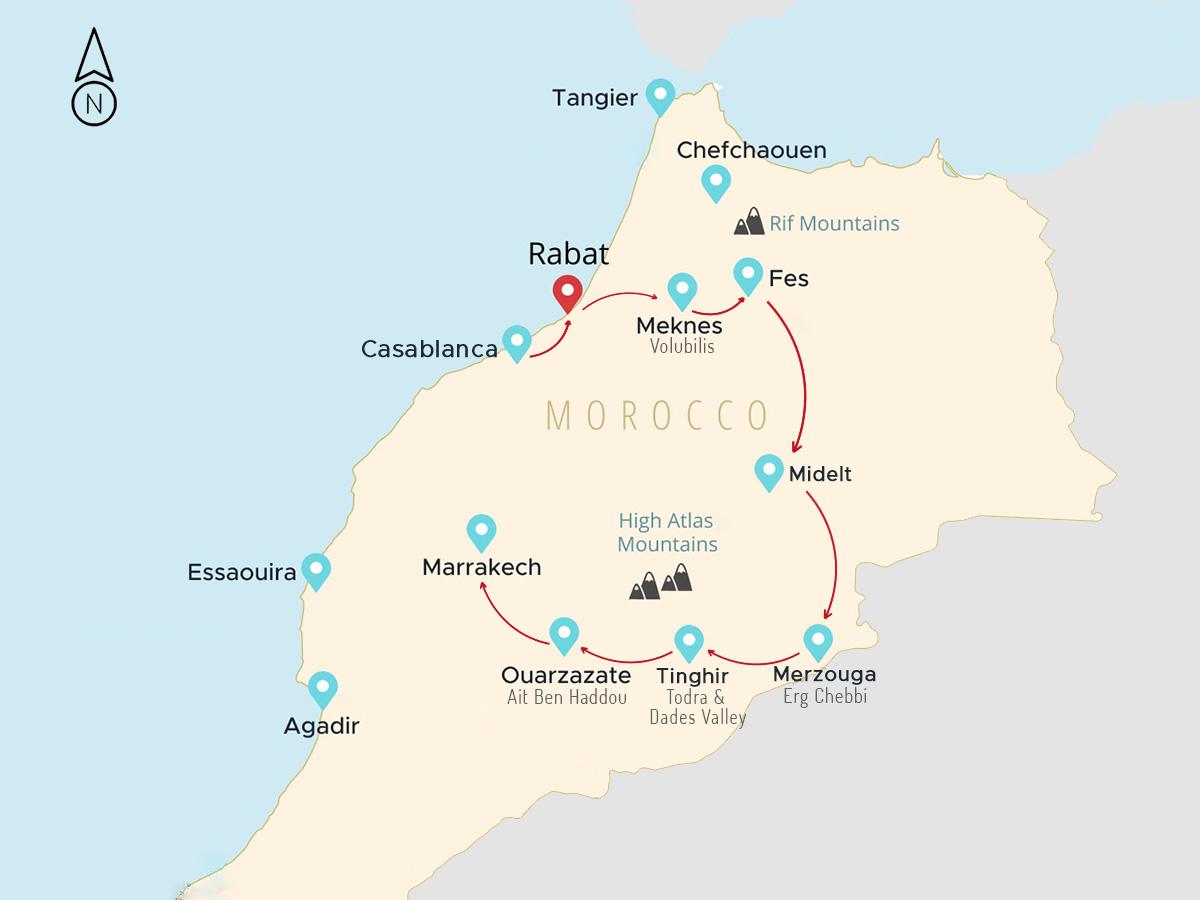
Merzouga is a small village located in southeastern Morocco, near the Algerian border. It sits beside Erg Chebbi, one of the country’s most spectacular dune systems.
Unlike rocky desert landscapes found elsewhere, Erg Chebbi features towering orange dunes that can reach heights of more than 150 meters. Throughout the day, these dunes constantly change color depending on the angle of the sun. They glow golden at sunrise, burn orange during the afternoon, and transform into deep red tones at sunset.
However, the real magic begins after dark.
Far from major cities and light pollution, Merzouga offers ideal conditions for stargazing. The desert sky becomes a vast celestial theater where thousands of stars shine with extraordinary clarity.
For travelers seeking authentic experiences, few places in Morocco can match the beauty and tranquility of a Sahara night.
The Journey Into the Desert
Part of the experience begins before you even arrive at camp.
Most visitors travel to Merzouga as part of a multi-day desert tour from Marrakech or Fes. The route passes through dramatic mountain landscapes, ancient kasbahs, palm-filled valleys, and traditional Berber villages.
As you approach Merzouga, the scenery changes dramatically.
The first glimpse of the dunes often surprises travelers. Massive waves of sand suddenly emerge on the horizon, stretching as far as the eye can see.
Crossing the Dunes by Camel
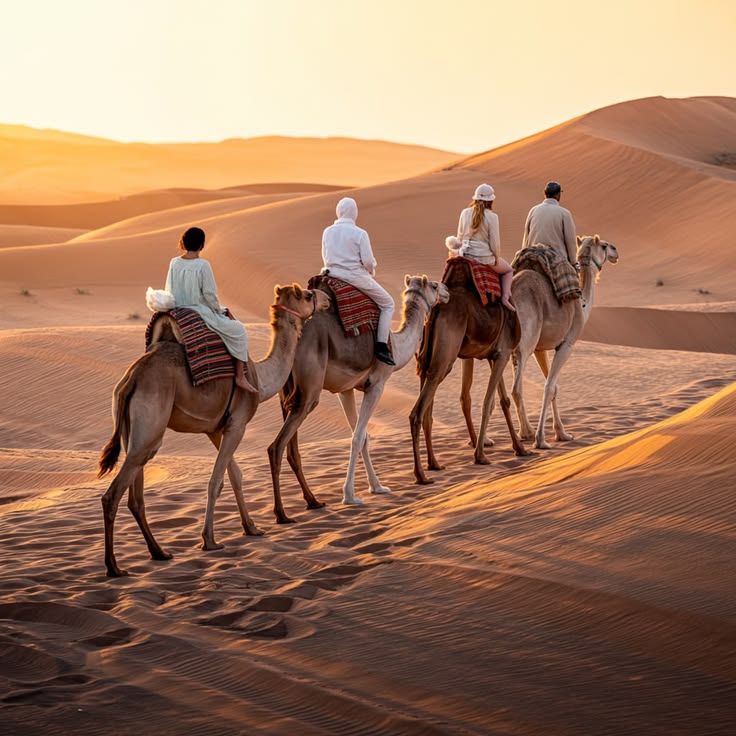
One of the most memorable moments is the camel trek into the desert.
As the afternoon sun begins to soften, travelers mount their camels and slowly move across the dunes. The pace is gentle and rhythmic. The only sounds are the wind and the soft footsteps of camels pressing into the sand.
Meanwhile, the changing light creates stunning views in every direction.
Many visitors describe this journey as stepping into another era. The modern world feels distant, replaced by endless landscapes that have remained largely unchanged for centuries.
Watching the Sahara Sunset
Before the stars arrive, nature delivers another spectacular show.
The Sahara sunset is unlike anything most travelers have experienced.
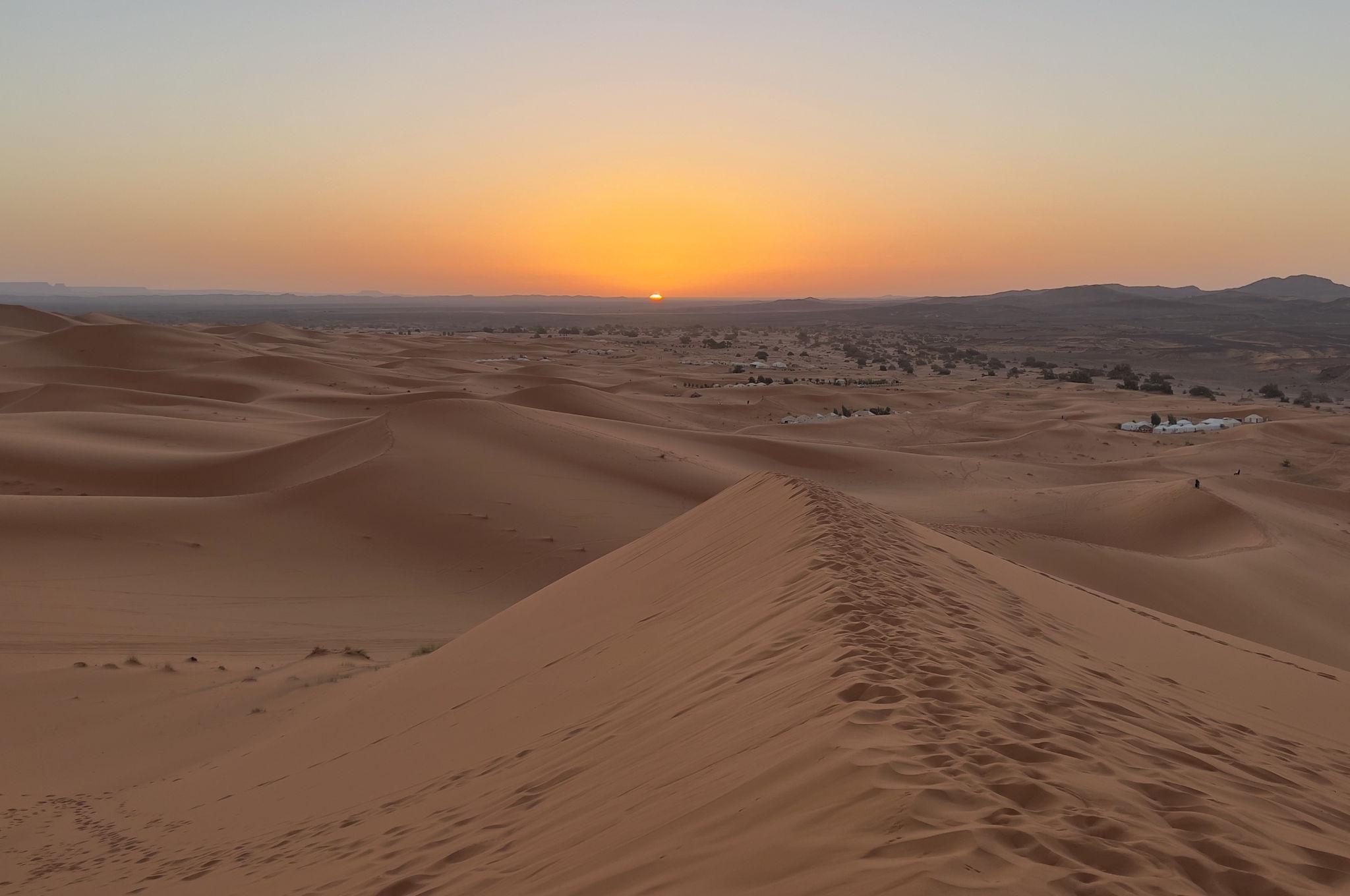
As the sun drops toward the horizon, the dunes transform into a palette of gold, amber, orange, and crimson. Shadows stretch across the sand, creating dramatic patterns and textures.
Photographers love this time of day. However, you don’t need a camera to appreciate the beauty.
Simply sitting on a dune and watching the colors shift can feel surprisingly emotional.
There is something profoundly calming about witnessing sunset in a place where there are no buildings, traffic, or distractions—only sand, sky, and silence.
Arriving at a Traditional Desert Camp
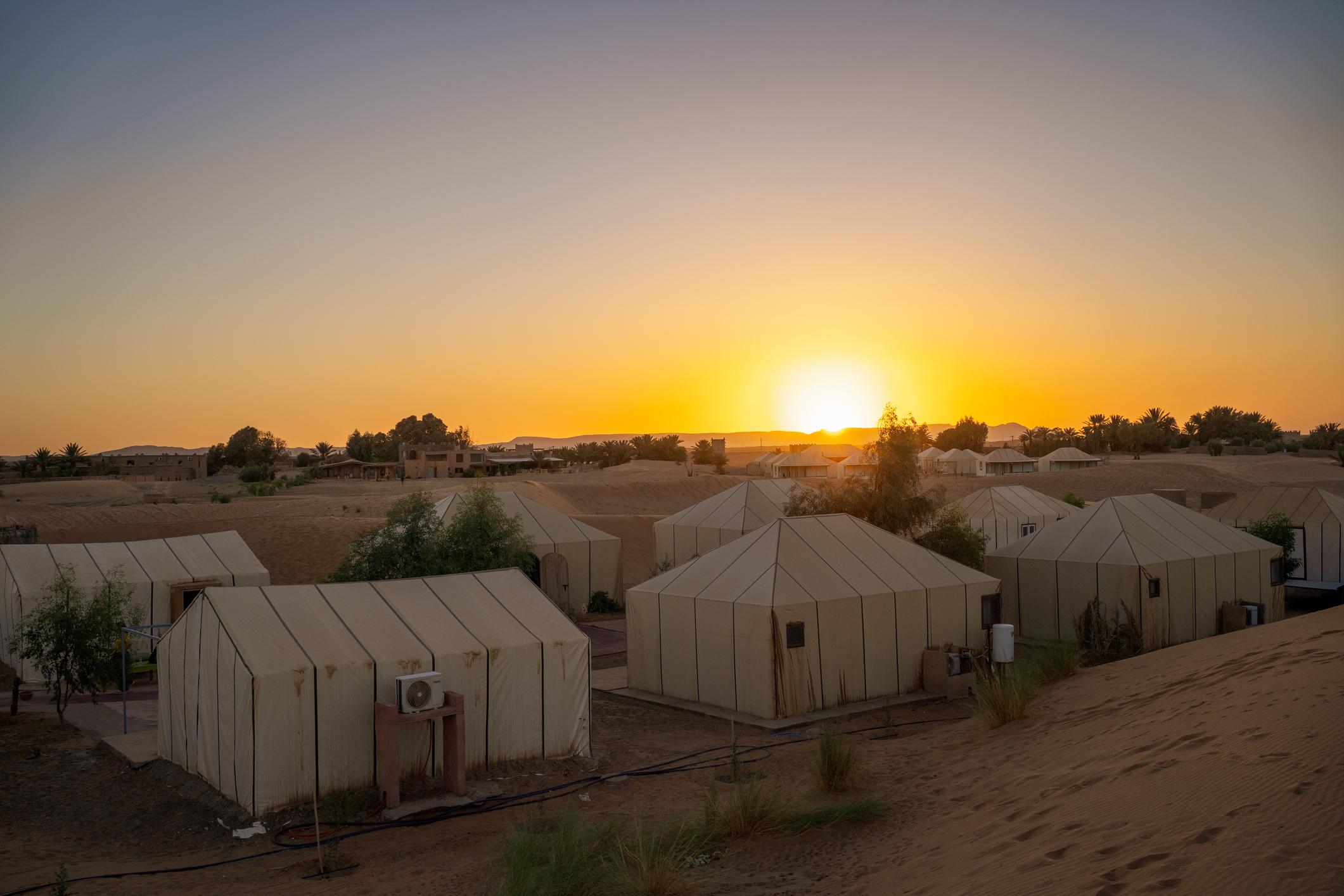
As darkness approaches, you’ll arrive at your desert camp.
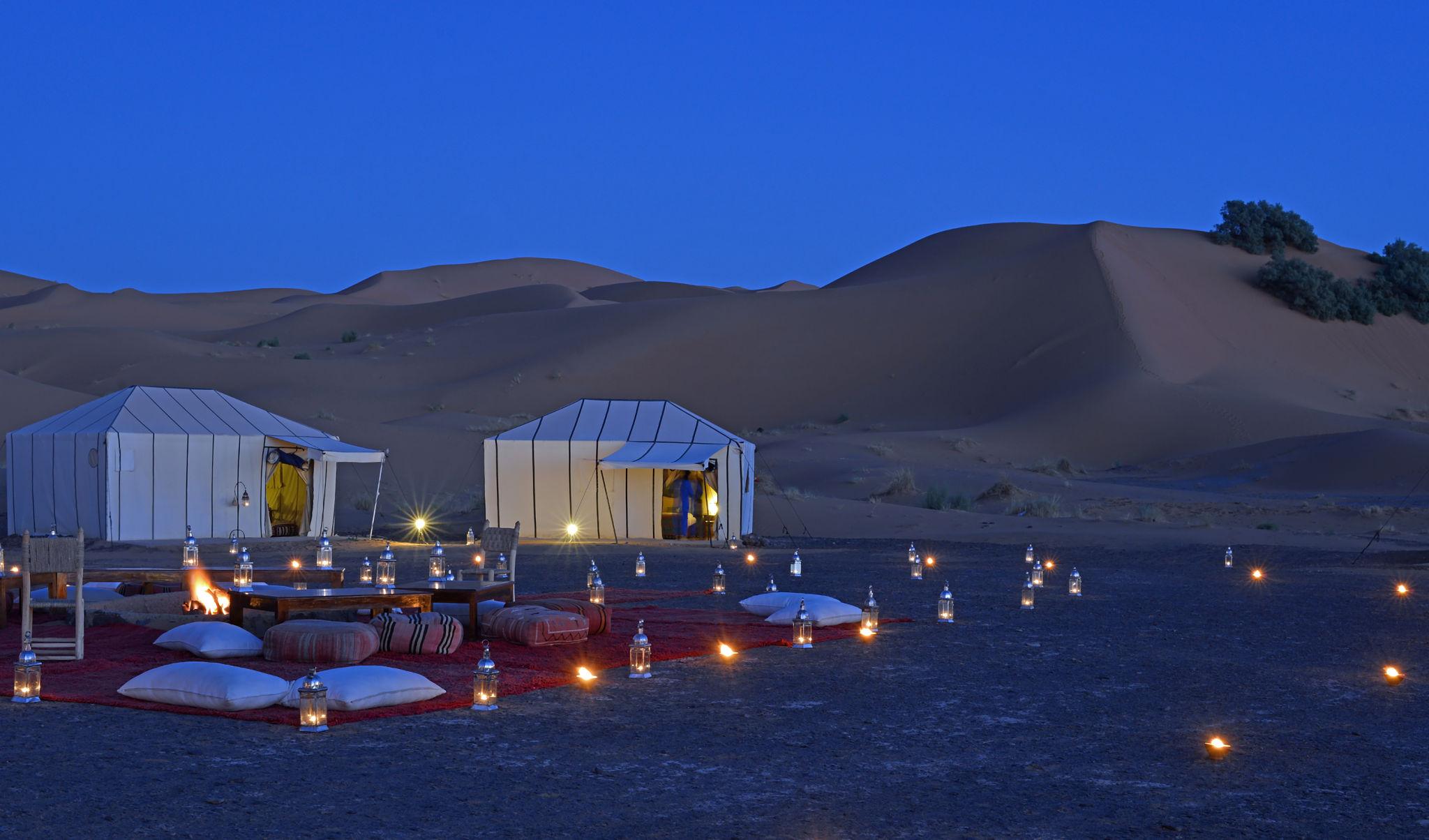
Modern camps in Merzouga range from traditional nomadic-style camps to luxurious desert accommodations offering private tents, comfortable beds, and modern amenities.
Despite these comforts, many camps preserve elements of traditional Amazigh and Saharan hospitality.
What Desert Camps Look Like
A typical camp consists of:
- Private or shared tents
- Comfortable bedding
- Traditional carpets and furnishings
- Dining areas
- Campfire gathering spaces
- Shared or private bathrooms
Luxury camps may also include:
- Hot showers
- Electricity
- En-suite bathrooms
- Gourmet Moroccan meals
- Premium bedding
Nevertheless, the true luxury remains the surrounding landscape.
No hotel room can compete with a front-row seat to the Sahara itself.
The Sound of Silence
One of the first things visitors notice after arriving is the silence.
In cities, silence rarely exists. There is always traffic, conversation, construction, or electronic noise.
The desert is different.
After nightfall, an extraordinary stillness settles across the dunes.
At first, this silence can feel unfamiliar. Then it becomes comforting.
Many travelers say they have never experienced such complete peace before.
Without constant distractions, your senses become sharper. You notice the movement of the wind. You hear distant footsteps on the sand. You become aware of your own breathing.
Consequently, the Sahara often creates a sense of calm that is difficult to find elsewhere.
Sharing a Traditional Moroccan Dinner
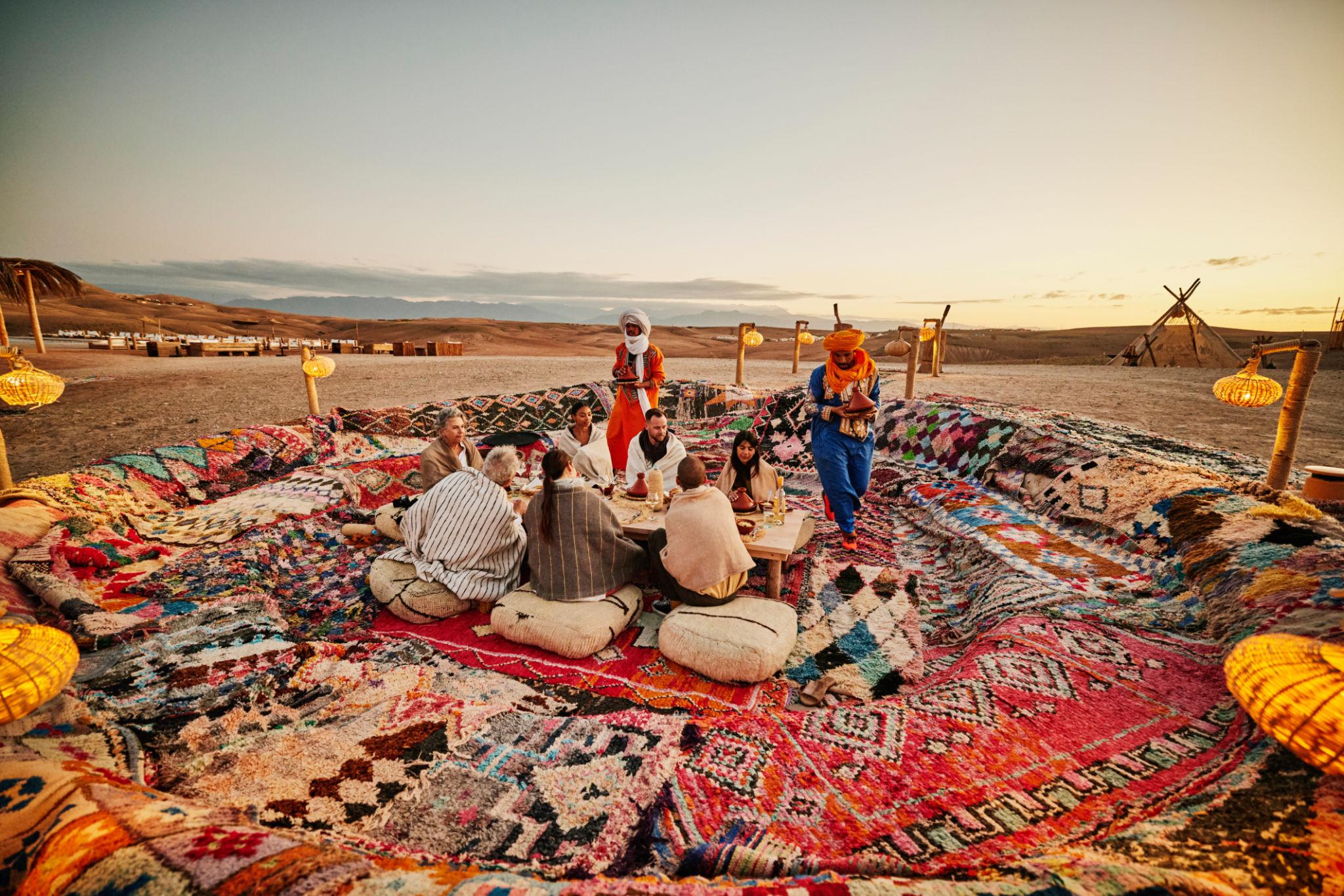
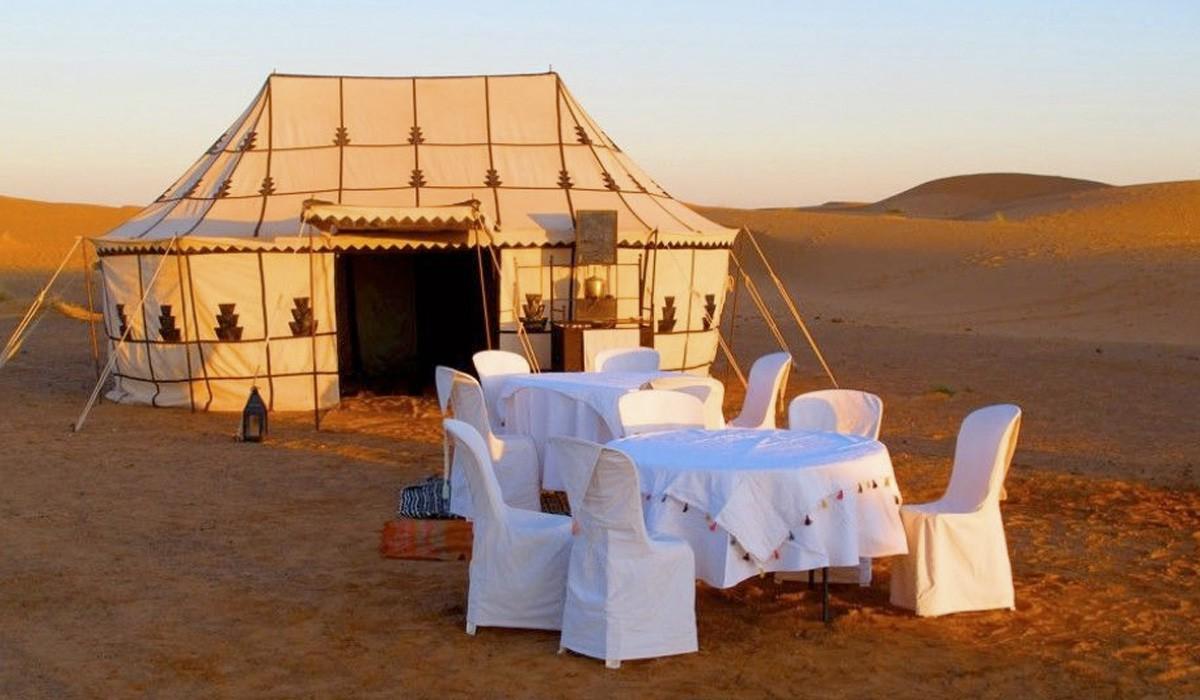
After sunset, dinner becomes an important part of the experience.
Most desert camps serve traditional Moroccan cuisine prepared using local ingredients and recipes.
A typical meal may include:
- Harira soup
- Fresh salads
- Tagine
- Couscous
- Grilled meats
- Seasonal vegetables
- Moroccan pastries
- Mint tea
Meals are usually enjoyed communally, creating opportunities to meet travelers from around the world.
Stories, travel experiences, and laughter are often shared around the table.
In many ways, dinner in the desert reflects Morocco’s broader culture of hospitality.
Guests are welcomed warmly and encouraged to feel at home.
Music Around the Campfire
As dinner ends, the atmosphere shifts again.
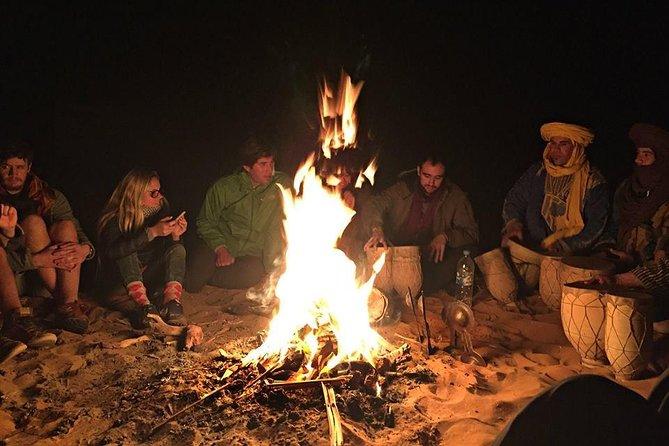
A campfire is often lit, and local musicians gather nearby with traditional instruments.
The Rhythm of the Desert
The sounds of hand drums echo across the dunes.
Traditional Amazigh songs blend with Saharan musical influences, creating rhythms that have been passed down through generations.
Guests frequently join in by clapping, singing, or dancing.
Unlike staged performances designed purely for tourists, many camps strive to share authentic musical traditions rooted in desert life.
These gatherings create a strong sense of connection.
People from different countries and cultures come together beneath the same sky, united by music and shared experience.
The Moment Everyone Waits For: Stargazing in the Sahara
Eventually, the campfire fades and many travelers walk away from camp toward the nearest dune.
This is when the true magic begins.
A Sky Unlike Any Other
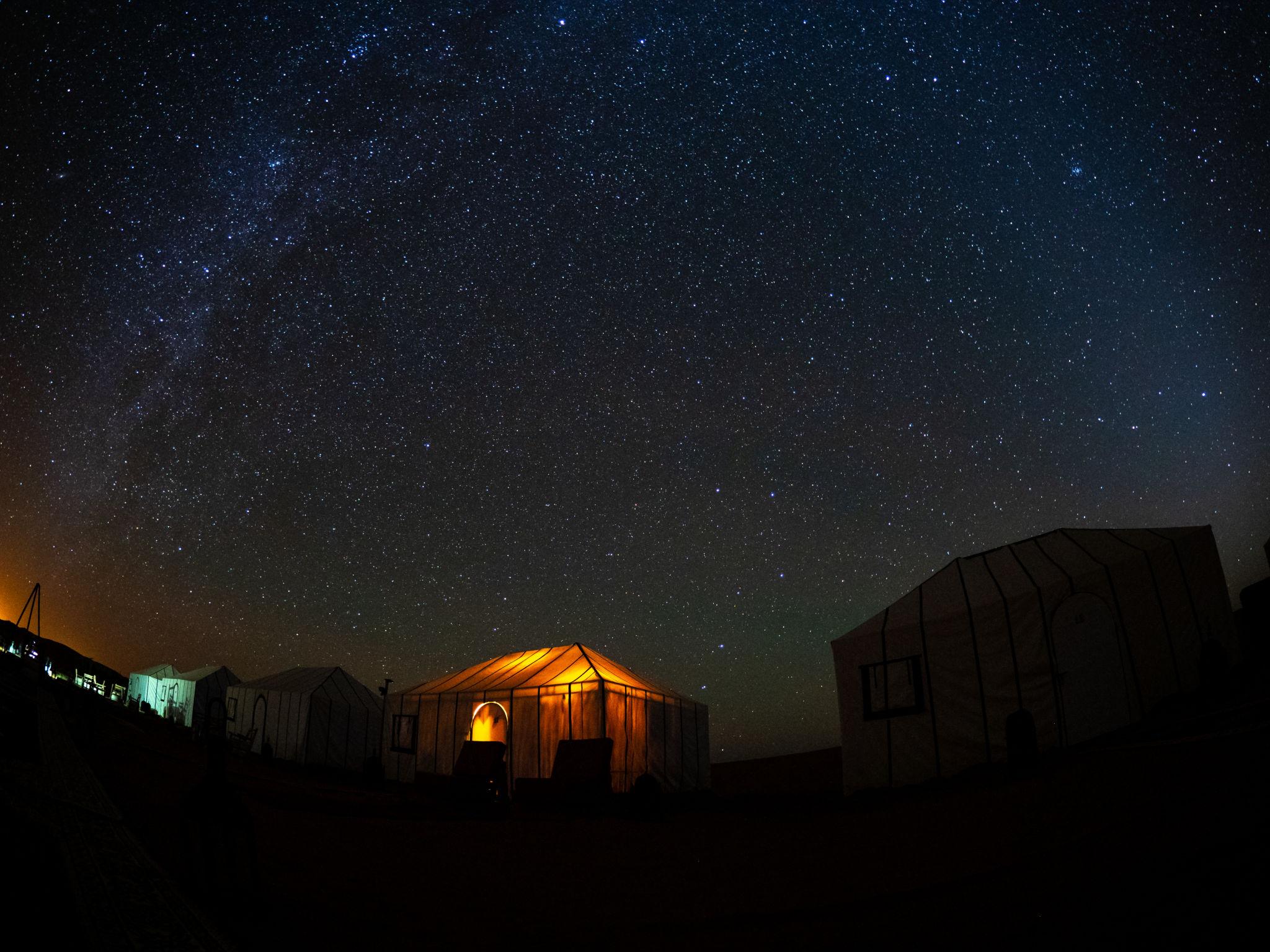
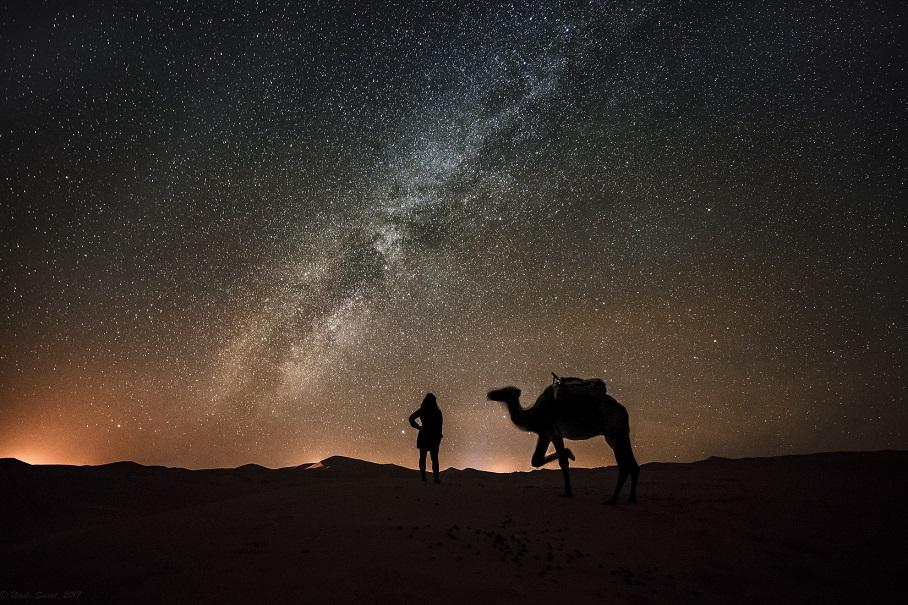
Without city lights, the stars appear astonishingly bright.
Thousands upon thousands of stars become visible overhead.
The Milky Way often stretches across the sky like a glowing river of light.
Planets, constellations, and occasional shooting stars become easy to spot.
For travelers accustomed to urban environments, the sight can feel overwhelming.
Many describe it as one of the most beautiful skies they have ever seen.
Why the Stars Are So Clear
Several factors make Merzouga ideal for stargazing:
- Minimal light pollution
- Dry desert air
- Low humidity
- Wide-open horizons
- Consistently clear weather
As a result, visibility is often exceptional throughout much of the year.
Even visitors with little interest in astronomy find themselves staring upward for hours.
Sleeping Under Sahara Stars
Although many travelers sleep inside tents, some choose to spend part of the night outdoors.
Wrapped in blankets and lying on the cool sand, they watch the stars drift overhead.
This experience is difficult to describe fully.
The vastness of the sky creates a sense of perspective rarely felt in everyday life.
Problems seem smaller.
Time feels slower.
The world appears larger and more mysterious.
Meanwhile, the desert itself becomes almost dreamlike under moonlight.
The dunes glow softly, creating landscapes that seem pulled from another planet.
For countless visitors, this becomes the defining memory of their Moroccan adventure.
What Temperatures Feel Like at Night
Many first-time visitors are surprised by how cool the Sahara becomes after sunset.
While daytime temperatures can be extremely warm, nighttime conditions are often much cooler.
Seasonal Temperature Differences
Spring and Autumn
These seasons generally offer the most comfortable conditions.
Days are warm, while evenings remain pleasantly cool.
Summer
Summer days can be extremely hot.
However, nights usually become far more comfortable once the sun sets.
Winter
Winter nights can become surprisingly cold.
Temperatures occasionally approach freezing levels.
Therefore, warm clothing is essential during winter desert trips.
Regardless of the season, bringing layers is always a smart idea.
Waking Up Before Sunrise
If possible, set an alarm.
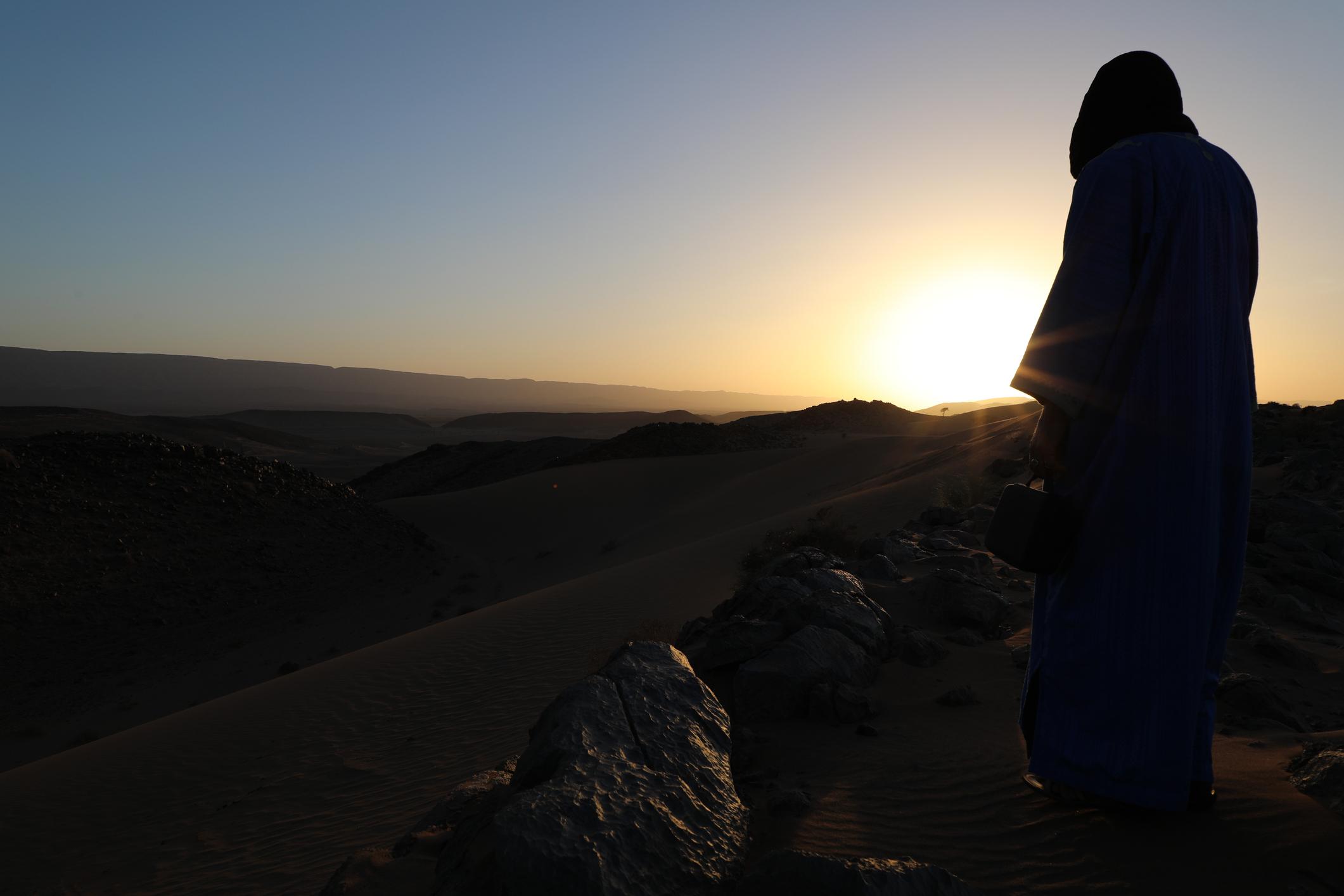
The Sahara sunrise is every bit as spectacular as sunset.
Before dawn, the desert remains quiet and cool.
Gradually, the eastern horizon begins to glow.
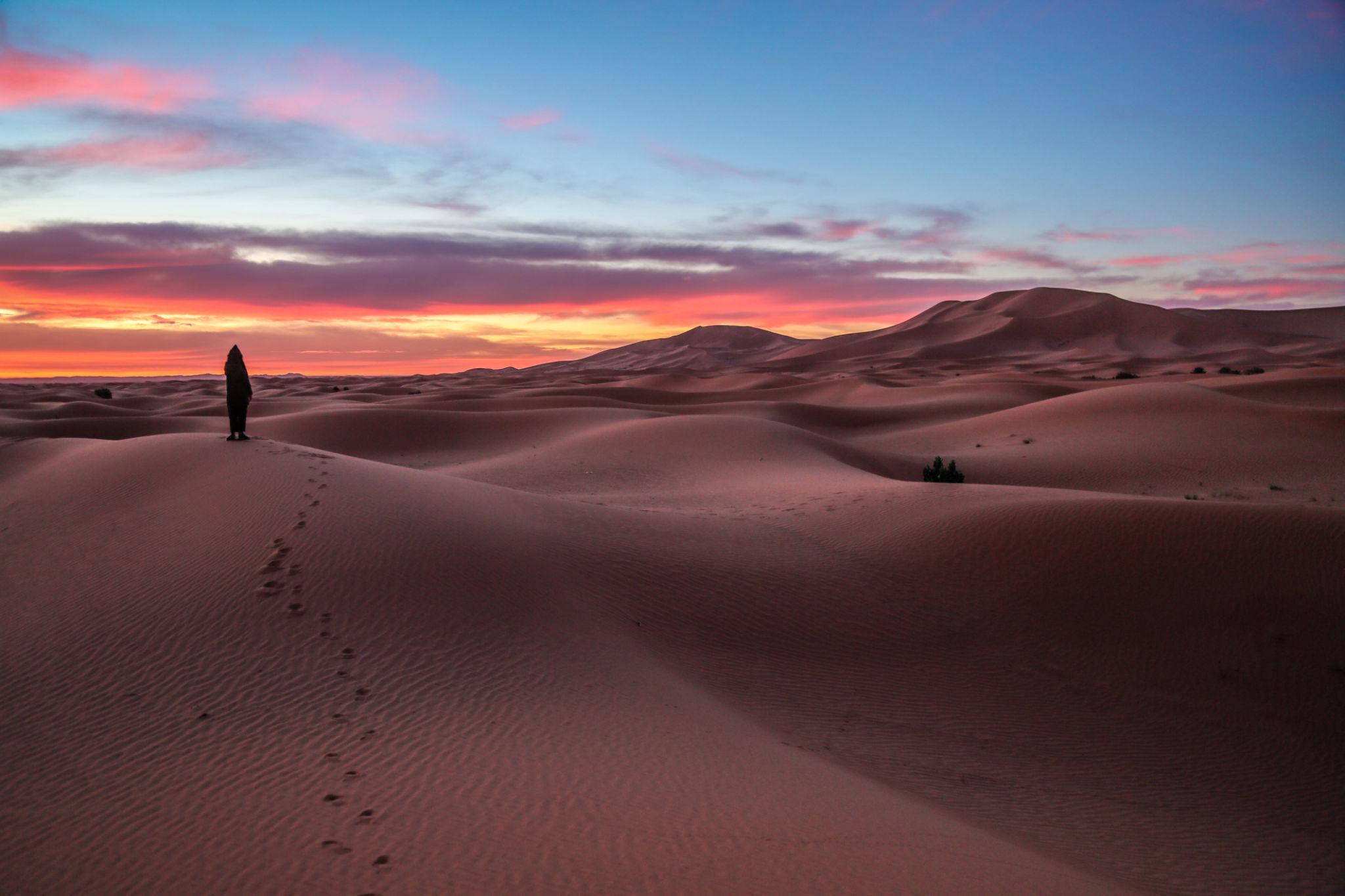
The sky transitions through shades of purple, pink, orange, and gold.
As sunlight touches the dunes, the landscape comes alive once again.
Photographers treasure this moment. Yet many travelers find that simply watching the sunrise in silence is equally rewarding.
The beauty lies not only in the colors but also in the feeling of witnessing the desert awaken.
Cultural Connections in the Sahara
A desert night is not only about scenery.
It is also an opportunity to learn about the people who call this region home.
The Amazigh Heritage of Merzouga
The communities surrounding Merzouga have deep Amazigh roots.
For centuries, Amazigh families adapted to life in challenging desert conditions through resilience, hospitality, and extensive knowledge of the land.
Today, visitors can learn about:
- Traditional desert lifestyles
- Local music and storytelling
- Nomadic culture
- Regional cuisine
- Saharan history and trade routes
These cultural encounters add depth to the experience and help travelers better understand Morocco’s diverse heritage.
Practical Tips for Sleeping in the Sahara
To make the most of your desert adventure, consider the following tips.
Bring Warm Layers
Even warm days can lead to cool nights.
A light jacket or fleece is often useful after sunset.
Carry a Flashlight
Although camps provide lighting, having your own flashlight can be helpful when walking around at night.
Limit Screen Time
The desert offers a rare chance to disconnect.
Put your phone away and fully experience the surroundings.
Stay Hydrated
The dry desert climate can be dehydrating.
Drink water regularly throughout your trip.
Wake Up Early
Don’t miss sunrise.
Many travelers consider it one of the highlights of their stay.
Is a Desert Night in Merzouga Worth It?
Absolutely.
Morocco offers countless remarkable experiences, from exploring ancient medinas to hiking mountain trails and visiting historic kasbahs.
Yet sleeping under Sahara stars remains uniquely unforgettable.
It combines adventure, culture, natural beauty, and personal reflection in a way few travel experiences can match.
Whether you’re riding camels across golden dunes, listening to traditional music around a campfire, or gazing at the Milky Way above the Sahara, every moment feels meaningful.
Years later, travelers may forget specific hotel rooms, restaurants, or attractions.
However, they rarely forget the feeling of standing beneath a sky full of stars in the heart of the Moroccan desert.
Sleeping under Sahara stars in Merzouga is far more than a night spent in the desert. It is a journey into one of Morocco’s most extraordinary landscapes and a chance to experience a slower, more meaningful rhythm of life.
From the golden glow of sunset and the warmth of Moroccan hospitality to the mesmerizing beauty of the night sky, every part of the experience leaves a lasting impression. The silence, the music, the endless dunes, and the brilliance of the stars come together to create memories that remain vivid long after your trip ends.
If you’re planning a journey to Morocco, make room for at least one night in Merzouga. Beyond the photographs and travel stories, you’ll discover something far more valuable: a rare moment of wonder beneath one of the world’s most breathtaking skies.
1. Is it safe to stay at a desert camp in Morocco?
Yes, Morocco is generally a safe destination for international travellers, and the desert camp region around Merzouga and Zagora has a well-established tourism infrastructure. Luxury camps employ local Berber staff who have deep knowledge of the terrain and weather conditions. Standard travel precautions apply — keep copies of your documents, stay hydrated, use sun protection, and purchase comprehensive travel insurance before departing. The Foreign Office and State Department both currently rate Morocco as a relatively low-risk destination.
2. What should I pack for a Morocco luxury desert camp?
Even at a luxury camp, the desert environment demands smart packing. Essentials include high-SPF sunscreen and lip balm, UV-protective sunglasses, a wide-brimmed hat, a lightweight scarf (useful for sand and sun protection), comfortable walking shoes or boots for dune trekking, a warm layer for cool evenings, a power bank for charging devices, and any personal medications. Formal or heavy clothing is entirely unnecessary — smart casual works for all occasions at camp.
3. How cold does it get in the Sahara desert at night?
Night temperatures in the Moroccan Sahara can drop significantly, particularly between November and February. It is not uncommon for temperatures to fall below 5°C after midnight during midwinter. Quality luxury camps provide adequate blankets and, in many cases, electric or gas heating within tents. Always pack a warm layer — a down jacket or thick fleece — regardless of the season you visit.
4. Can children stay at a Morocco luxury desert camp?
Absolutely. Many luxury desert camps actively welcome families with children, and the experience is genuinely magical for kids — particularly the camel rides, sandboarding, and stargazing sessions. It is worth confirming with the camp directly that they cater for families, as some ultra-exclusive camps position themselves as adults-only retreats. Ensure children are well protected from the sun, stay hydrated throughout the day, and are appropriately dressed for cold evenings.
5. Do luxury desert camps in Morocco have Wi-Fi and electricity?
Most luxury camps now provide solar-generated electricity, allowing guests to charge devices and use lighting within tents. Wi-Fi is available at some camps — typically those closer to Merzouga village — but connectivity is limited and unreliable in remote locations. Most guests embrace this as an opportunity to genuinely disconnect. If staying connected is essential for professional reasons, confirm Wi-Fi availability directly with the camp before booking.
6. How far in advance should I book a Morocco luxury desert camp?
For travel during peak season — October, November, March, April, and the Christmas and Easter holiday periods — booking three to six months in advance is strongly recommended, particularly for the most reputable luxury camps which have limited capacity by design. For travel in the quieter months of January, February, May, June, and September, bookings can often be made four to eight weeks out. That said, because luxury camp tents are few in number and demand is high year-round, earlier is always better.
Ready to discover Morocco? Let's plan your perfect trip.
Whether it’s a desert adventure from Marrakech, an imperial cities tour, or a custom itinerary — our team responds within 24 hours with a tailored plan and quote.